No products in the cart.

Why Oil Prices Matter More Than You Think

Discover how fluctuations in oil prices impact consumer spending, inflation, and the broader economy. Learn why understanding oil's influence is crucial.

“`html
The Impact of Oil Supply Disruptions
When missiles flew over the Gulf, global attention shifted to crude oil prices. Within days, Brent futures approached $85 a barrel, a level not seen since the post-pandemic rebound of 2022. The trigger was clear: a conflict that blocked the Strait of Hormuz, through which about 20% of global crude oil flows. This regional conflict escalated into a global supply shock, shaking equity markets, raising gas prices, and recalling the oil crises of the 1970s.
This disruption is notable for its scale. Iraq’s oil output has dropped by over 60%, according to Reuters. Meanwhile, Kuwait and the United Arab Emirates have announced voluntary cuts to maintain reservoir pressure. The effects extend beyond oil; Qatar’s state-run energy firm halted a significant share of the world’s natural gas supply after attacks on its facilities, cutting another 20% from global gas flow.
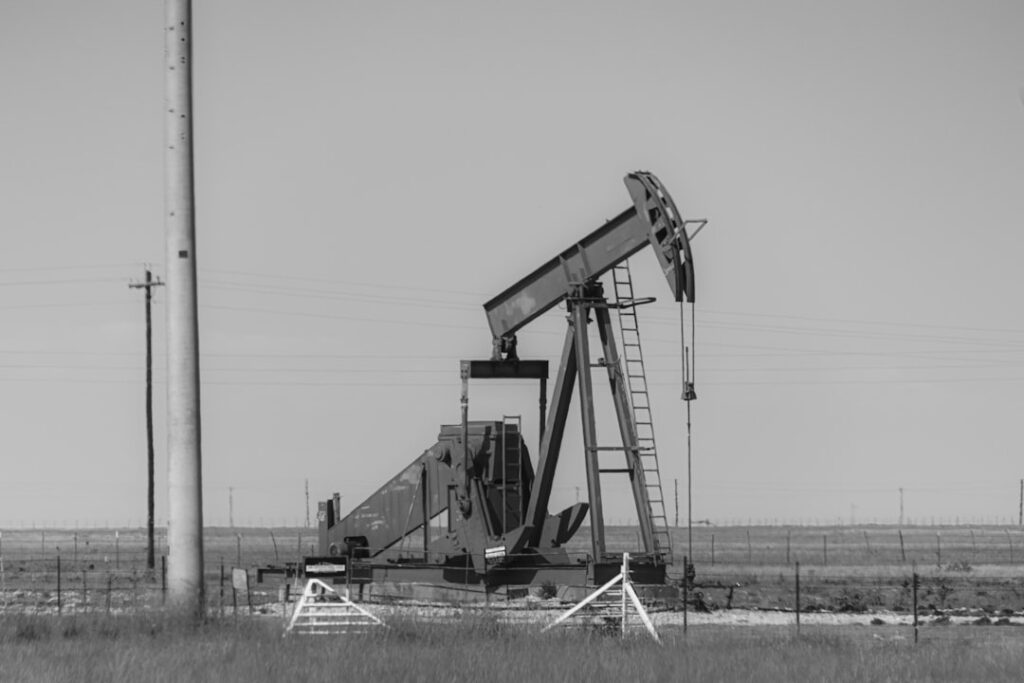
Outside the Gulf, a quick production boost seems unlikely. The U.S., Brazil, and Norway—often seen as “spare capacity”—face structural limitations. U.S. shale wells need months of drilling and fracking before producing oil, and the industry is already facing capital constraints. Brazil’s offshore fields suffer from logistical issues, while Norway’s North Sea platforms are nearing the end of their economic life. In short, the global oil market lacks a quick fix; higher prices are the immediate response instead of rapid output increases.
How Rising Oil Prices Affect Consumers
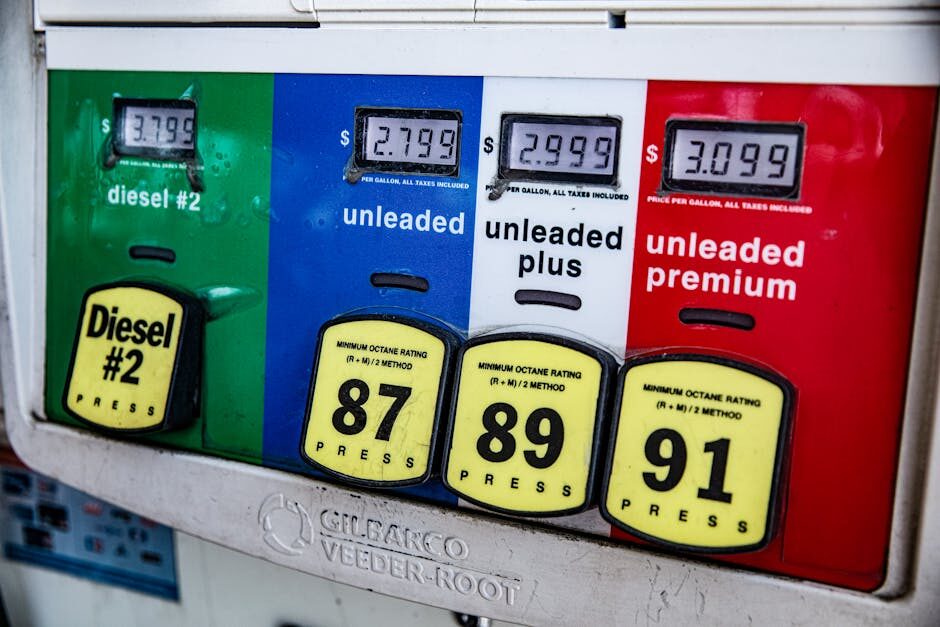
The price of oil affects everyday costs for households. Transportation, heating, and even the price of bread depend on energy costs. A 10% rise in oil prices typically reduces consumer spending by about 1.5%, as noted by the Federal Reserve’s analysis of past price shocks. When gas prices rise, commuters cut back on trips, families postpone vacations, and low-income households—who spend a larger portion of their budgets on fuel—feel the impact the most.
This creates a double effect: higher gas prices reduce disposable income while pushing overall prices up, prompting central banks to consider tighter monetary policy even as growth slows.
Inflation follows a similar pattern. Energy accounts for roughly 7% of the U.S. Consumer Price Index, and spikes in oil prices quickly increase the cost of goods that rely on transportation or petrochemicals. This creates a double effect: higher gas prices reduce disposable income while pushing overall prices up, prompting central banks to consider tighter monetary policy even as growth slows.
For example, a commuter in a mid-sized American city spending $150 a month on gas would see a $0.30-per-gallon increase—common after a $10 rise in crude—adding $45 to their monthly costs, a 30% jump. Across millions of drivers, this reduction in purchasing power impacts retail sales, restaurant revenues, and the broader services sector.
You may also like
 Government & Policy
Sebi penalises SMC Global Securities for compliance lapses
SEBI's findings indicated that SMC Global did not keep appropriate pre-order placement records for some clients and could not provide relevant documentation for multiple orders,…
Read More →The Economic Effects of Oil Price Fluctuations
Oil price volatility impacts the broader economy. Higher energy costs squeeze corporate profit margins, especially in energy-intensive sectors like chemicals, aviation, and logistics. When margins shrink, companies delay or cancel capital expenditures, slowing investment and job creation.
Currency markets also react. Oil-exporting countries like Saudi Arabia and Russia often see their currencies rise during price spikes, benefiting import-heavy economies but making their non-energy exports less competitive. In contrast, import-dependent economies—many already facing trade deficits—experience balance-of-payments pressures, leading central banks to intervene or raise interest rates to manage capital outflows.
The labor market feels the effects indirectly. Reduced consumer spending and corporate investment lead to hiring freezes and layoffs, particularly in sectors reliant on discretionary spending. Workers in transportation, construction, and manufacturing—fields that consume large amounts of diesel and gasoline—may see less overtime and slower wage growth. This can result in rising unemployment rates, even when the overall economy is technically growing.

Strategic Insights
This situation highlights a key lesson: the global economy relies heavily on a limited set of energy sources. Diversifying—through renewable energy, strategic petroleum reserves, or alternative fuels—can help mitigate future supply shocks. Policymakers must balance short-term relief with long-term stability. Subsidies that ease immediate consumer pain can hide underlying vulnerabilities, while sudden policy changes can destabilize already fragile markets.
Workers in transportation, construction, and manufacturing—fields that consume large amounts of diesel and gasoline—may see less overtime and slower wage growth.
For businesses, the message is clear. Risk management should include energy-price scenarios as core variables affecting pricing, supply chains, and workforce planning. Companies that adopt flexibility—like dynamic logistics, energy efficiency upgrades, and diversified sourcing—will be better equipped to handle future price surges.
You may also like
 Government & Policy
Robotaxi operators will face fines for blocking first responders
California's new law imposes fines on robotaxi operators for obstructing emergency services, marking a significant regulatory shift in the autonomous vehicle industry.
Read More →For workers, the key takeaway is less about oil prices and more about paycheck impacts. understanding how oil markets influence wages, inflation, and employment can guide personal financial decisions, from vehicle purchases to career choices in less energy-sensitive sectors.
As the world watches the Gulf’s turmoil, the real story unfolds in homes and businesses where rising gas prices affect daily decisions. The next wave of oil-price volatility will not just be a headline; it will shape everything from coffee prices to global economic growth.
“`