No products in the cart.

Why Semiconductor Investors Should Embrace Recent Stock Pullback
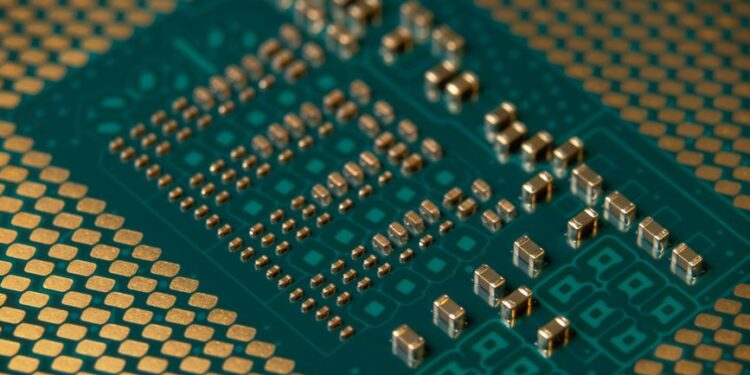
Janet Mui from RBC Brewin Dolphin identifies the recent pullback in semiconductor stocks as a healthy consolidation phase. With demand still exceeding supply, investors may find opportunities during this market dip.

Semiconductor stocks have recently experienced a notable pullback, which Janet Mui, Head of Market Analysis at RBC Brewin Dolphin, characterizes as a healthy consolidation phase. This follows a significant rally in the first half of 2026, during which semiconductor stocks surged by approximately 80%. As investors reassess their positions, this temporary dip in stock prices presents potential opportunities for those looking to invest in the sector.
Mui emphasizes that the demand for semiconductors continues to far exceed supply, a fundamental factor influencing current market dynamics. Despite some market jitters, particularly related to developments in cloud computing, the underlying fundamentals of the semiconductor market remain robust. This resilience suggests that the recent pullback may offer strategic investment opportunities for those looking to enter or expand their holdings in this sector.
Market Dynamics Driving the Semiconductor Pullback
The semiconductor industry is navigating a complex landscape marked by both challenges and opportunities. According to a report from the Wall Street Times, the recent pullback follows an impressive first half of the year, where semiconductor stocks saw a remarkable rise driven by increased demand in sectors such as artificial intelligence, automotive technologies, and consumer electronics. As a result, investors are recalibrating their expectations, leading to profit-taking and a natural correction in stock prices.
Moreover, an analysis by Intellectia highlights that the semiconductor selloff in June 2026 was one of the most severe in recent years, with the Philadelphia Semiconductor Index (SOXX) dropping by 10%. This decline reflects broader market trends, as technology stocks faced significant volatility due to inflation concerns and shifts in consumer demand. These factors have prompted investors to reassess their strategies and positions in the market.
Despite these challenges, the overall sentiment remains optimistic. The demand for semiconductors is expected to persist, driven by ongoing technological advancements and digital transformation. As companies continue to invest heavily in AI and cloud computing, the need for semiconductors is likely to remain strong, supporting a potential rebound in stock prices.
Investors who navigate this phase effectively may find themselves well-positioned for future gains.
Understanding the Importance of Consolidation Phases
Janet Mui’s recent comments suggest that the current pullback should not be interpreted as a sign of a broader market downturn. Instead, it is viewed as a necessary phase of consolidation that can lead to a healthier market environment. Investors who navigate this phase effectively may find themselves well-positioned for future gains.
You may also like
 Industry & Global Trends
Cygni Energy, Indus Towers Unite for Telecom Energy Storage
Cygni Energy and Indus Towers have signed a Memorandum of Understanding to develop energy storage solutions for telecom infrastructure, marking a significant step towards sustainability…
Read More →Investors should also consider the cyclical nature of the semiconductor market. Historical trends indicate that consolidation periods often precede significant upswings. By understanding these patterns, investors can better strategize their entry points and capitalize on potential rebounds in stock prices.
Investment Strategies for Navigating Market Corrections
As semiconductor stocks pull back, investors should consider various strategies to maximize their investment potential. Career Ahead’s analysis suggests focusing on high-quality stocks that are temporarily undervalued. This approach allows investors to capitalize on price dips while maintaining a long-term perspective.

Diversifying within the semiconductor sector can also be beneficial. Investors may want to explore stocks across different segments, such as memory chips, processors, and specialized semiconductors for AI applications. This diversification can help mitigate risks associated with market volatility and tap into various growth opportunities.
Furthermore, staying informed about technological advancements and industry trends is crucial. As AI technology evolves, companies specializing in AI-driven semiconductor solutions are likely to see increased demand. Keeping abreast of these trends can provide investors with a competitive edge in identifying promising opportunities.
Career Ahead’s analysis suggests focusing on high-quality stocks that are temporarily undervalued.
Lastly, maintaining a disciplined approach during consolidation phases is essential. This includes setting clear investment goals, conducting thorough research, and preparing for market fluctuations. By adopting a long-term mindset and focusing on fundamentals, investors can navigate the complexities of the semiconductor market more effectively.
Frequently Asked Questions About Semiconductor Investments
What should semiconductor investors consider during market pullbacks?
Investors should focus on identifying high-quality stocks that are undervalued during pullbacks. Understanding market dynamics and maintaining a long-term perspective can help investors make informed decisions.
How can market analysts interpret the recent trends in semiconductor stocks?
Market analysts should consider the cyclical nature of the semiconductor industry and recognize that pullbacks often precede rebounds. Analyzing demand versus supply dynamics is crucial for accurate interpretations.
You may also like
 Industry & Global Trends
BT Expands Reach with TalkTalk Acquisition
The acquisition is seen as a strategic necessity for BT, allowing it to consolidate its position in a market that has seen increasing pressure from…
Read More →
What strategies should I adopt as an investor in semiconductor stocks during consolidation?
Investors should look for diversification opportunities within the semiconductor sector and focus on long-term growth potential. Staying informed about technological advancements that may drive future demand is also important.