No products in the cart.

Wikipedia Bans AI-Generated Articles: New Policy Enforced
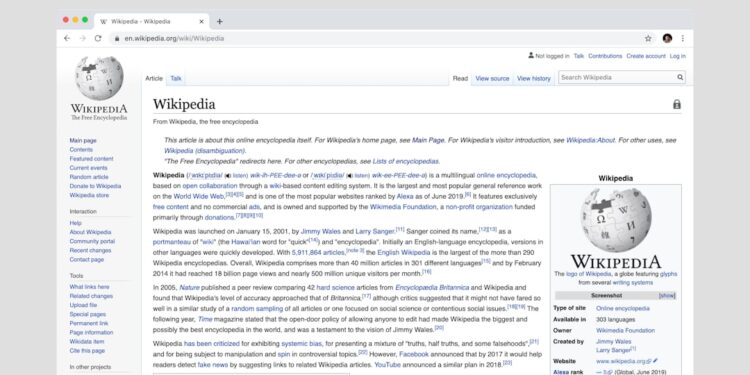
Wikipedia's volunteer editors have banned AI-generated content in English articles to uphold verifiability, neutrality, and quality. Exceptions include AI-assisted editing tools that don't alter substance.

Wikipedia Slams the Door on AI-Generated Articles
On March 26, 2026, Wikipedia’s volunteer editors voted to tighten the world’s largest reference work. They barred anyone from using large language models to draft or rewrite English-language articles, according to updated site guidelines released late last week.
The shift is simple but seismic. Wikipedia is drawing a bright line between human authorship and machine output, arguing that unchecked AI prose breaks several core content policies.
These policies include verifiability, neutral point of view, and the prohibition against synthesizing new claims. The ban applies to every stage of article creation—outlines, paragraphs, even sentence-level rewrites.
Editors can still use AI-powered spell checks or grammar suggestions, but only if the tool alters style, not substance. The ban does not apply if the editor can certify that no new content was introduced.
Why the Ban Was Needed
Editors have been dealing with AI-generated articles for months. This prompted the community to implement a new policy that allows for the “speedy deletion” of poorly written articles.
The community also formed WikiProject AI Cleanup, an initiative meant to combat AI-written content and help others identify it. The recent guideline change was proposed by editor Chaotic Enby and passed with overwhelming support.
Why the Ban Was Needed Editors have been dealing with AI-generated articles for months.
The policy targets blatantly problematic issues with LLM use while still giving leeway for decent uses. The community concluded that the policy change was necessary.
The Narrow Lane That’s Still Open
Editors may still run AI-powered spell checks or grammar suggestions. These tools must not alter the substance of the article.
Translation is also allowed. An editor who speaks both the source and target languages can use an LLM to port an article.
However, the editor must personally verify every date, name, and citation before publishing. Any hint of novel phrasing or unsourced detail voids the exemption.
Repeat violators risk the same sanctions as vandals: temporary blocks or permanent bans.
Examples of Permitted AI Use
- Basic copy editing: Editors can use AI to suggest basic copy edits, but must ensure that these edits do not introduce new content.
- Translation: Editors can use AI to translate articles from another language’s Wikipedia into English, but must have enough knowledge of the original language to confirm the accuracy of the translation.
Community Split on Enforcement
Some long-time contributors fear the policy will be weaponized in personal disputes. Others argue the wording is too soft and wanted a blanket prohibition that would forbid even grammar tools.
Examples of Permitted AI Use Basic copy editing: Editors can use AI to suggest basic copy edits, but must ensure that these edits do not introduce new content.
The burden of proof has flipped. Previously, a patroller had to show an editor used AI.
Now, the author must demonstrate—through edit summaries, talk-page notes, or diffs—that no generative model added content.
You may also like
 AI & Technology
Universities grapple with funding squeeze and tech‑driven redesign
Institutions that embed analytics into decision‑making are already seeing enrollment volatility.
Read More →
A Signal to the Rest of the Web
If the policy survives its first six months without legal challenge, mirror sites and commercial platforms may adopt similar language.
The practical effect: students and researchers who once leaned on ChatGPT to jump-start entries will have to draft by hand.
They risk public deletion logs that live forever in the Wayback Machine if they use AI-generated content.
It highlights the need for clear guidelines on AI-generated content.

Broader Implications
Wikipedia’s decision sets a precedent for other online platforms and knowledge repositories.
It highlights the need for clear guidelines on AI-generated content.
As AI technology continues to evolve, the balance between leveraging AI for efficiency and maintaining content quality will remain a critical challenge for online knowledge curation.