No products in the cart.

Women Empower Women for Workplace Success

This article delves into the importance of female networks in the workplace, highlighting how women supporting each other leads to greater success in career development.

Women’s Networks: A Catalyst for Success
In today’s competitive job market, the importance of women supporting women cannot be overstated. Recent research highlights that women who engage in female-only networks tend to achieve better outcomes in their careers. This phenomenon is particularly evident in remote work environments where traditional networking opportunities may be limited. A study conducted by Wharton’s Tiantian Yang reveals that women participating in same-gender training programs outperform their counterparts in mixed-gender settings.
The study indicates that women in all-female groups have higher completion rates, earn certifications more frequently, and find jobs in their field at a significantly higher rate. Specifically, about 76% of women in same-gender groups completed their training on time, compared to only 67% in mixed-gender groups. This data underscores the effectiveness of female networks in fostering an environment where women can thrive.
Creating Psychological Safety Through Gender Homophily
The concept of gender homophily plays a crucial role in creating psychological safety among women in the workplace. When women come together in a supportive environment, they are more likely to share personal experiences and vulnerabilities. This sharing fosters trust, which is essential for collaboration and mutual support. According to Yang, the absence of men in these groups allows women to express themselves freely without fear of judgment.
This psychological safety leads to more open communication, where women share resources, advice, and encouragement. For instance, in the Wharton study, women in same-gender groups frequently discussed their challenges and aspirations, leading to a stronger sense of community. This supportive dynamic is less prevalent in mixed-gender settings, where women may feel the need to hold back.
Challenges in Networking Strategies Despite the clear benefits of women-only networks, there exists a prevailing belief that mixed-gender environments are more beneficial for career advancement.
Challenges in Networking Strategies
Despite the clear benefits of women-only networks, there exists a prevailing belief that mixed-gender environments are more beneficial for career advancement. Traditional wisdom suggests that women should seek out male mentors or networks to gain access to resources and opportunities. However, the findings from Yang’s study challenge this notion, suggesting that the benefits of female networks are significant and often overlooked.
Some argue that women may miss out on valuable connections with men if they isolate themselves in female-only groups. Critics of gender homophily point to the importance of diversity in networking as a means to break down barriers and foster inclusivity. Yet, the evidence from the study suggests that for many women, the immediate benefits of a supportive female network outweigh the potential advantages of mixed-gender interactions.
You may also like
 Entrepreneurship & Business
Titan Company deepens focus on mechanical horology as category
This shift in focus comes as consumers increasingly appreciate craftsmanship and engineering in watchmaking, moving away from traditional quartz timepieces.
Read More →The Global Context of Women’s Empowerment
The implications of women supporting women extend beyond individual success to broader societal impacts. Globally, organizations like UN Women advocate for gender equality and the empowerment of women in the workplace. Their initiatives underscore the importance of creating environments where women can thrive, which aligns with the findings from Yang’s study.
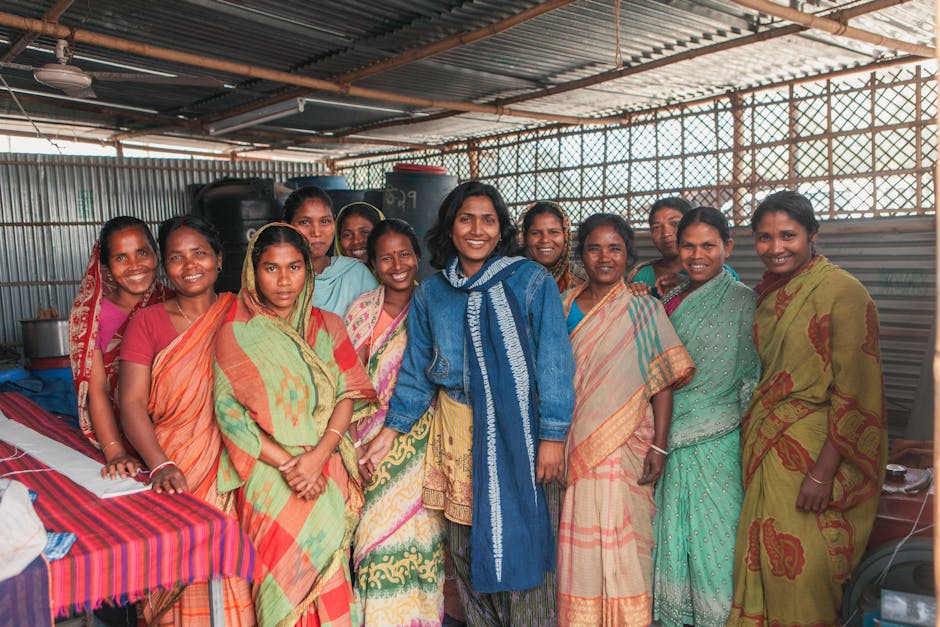
In many regions, women still face significant barriers to entry in various fields. Gender-based discrimination and unequal opportunities persist, making it crucial for women to build strong networks that can provide support and resources. By fostering connections with other women, individuals can navigate these challenges more effectively and create pathways for success.
Future of Female Networks in the Workplace
As organizations increasingly recognize the value of diversity and inclusion, the role of female networks in the workplace may become more prominent. This shift could lead to more tailored programs that focus on the unique challenges women face in their careers.
Future of Female Networks in the Workplace As organizations increasingly recognize the value of diversity and inclusion, the role of female networks in the workplace may become more prominent.
Furthermore, as remote work becomes more prevalent, the ability to create virtual networks will be essential. Organizations may need to invest in platforms that facilitate these connections, ensuring that women have access to the support they need, regardless of their physical location. This investment could yield significant returns in terms of employee satisfaction and retention.

Ultimately, the future of women in the workplace hinges on the ability to foster supportive environments. By prioritizing female networks, organizations can help women build the confidence and skills necessary to succeed. This approach not only benefits individual women but also enhances overall organizational performance.
You may also like
 Entrepreneurship & Business
Korea to explore business opportunities
A high-level South Korean delegation met with Karnataka's Minister Priyank Kharge to discuss investment opportunities and technology partnerships, aiming to strengthen business ties and enhance…
Read More →Sources: Knowledge at Wharton, UN Women, Women Out Front, World Health Organization.