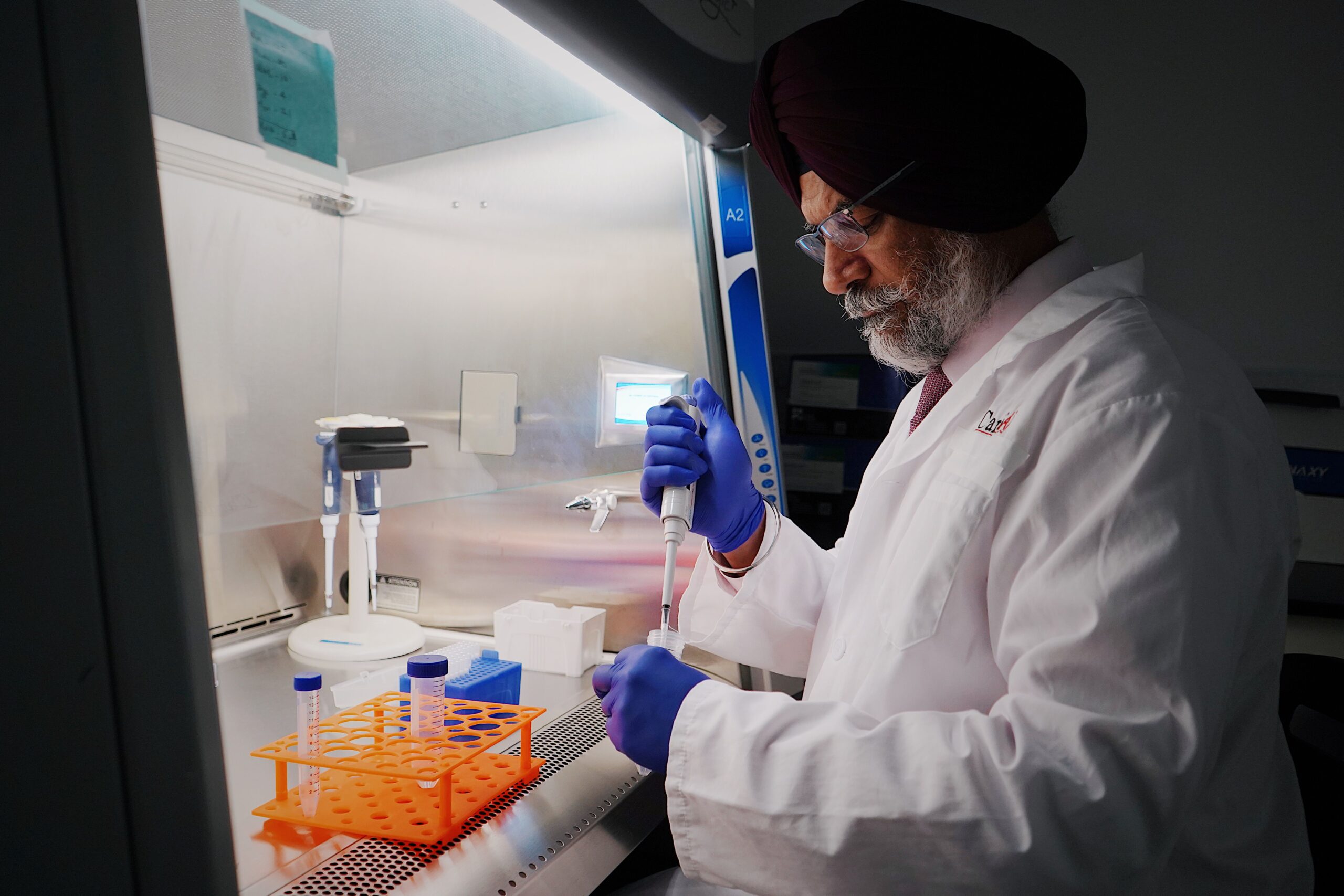
World Bank Highlights Critical Water Funding Gap
The World Bank has issued a stark warning regarding the state of water supply in Sub-Saharan Africa. According to a recent report, the demand for water is rising sharply, yet the supply is failing to keep pace. This mismatch leaves nearly one in three people in the region without basic access to clean water. Soma Moulik, the World Bank’s Water Global Practice Manager, emphasized the urgency of the situation, stating that significant investment is needed to bridge the funding gap.
Currently, the region faces a funding shortfall of approximately $30 billion annually to meet the growing water needs. This deficit threatens not only individual health but also economic development across the continent. The World Bank’s findings resonate with ongoing concerns about the impact of climate change, which exacerbates water scarcity and complicates efforts to improve infrastructure. The report highlights that as the population continues to grow, the strain on existing water resources intensifies, particularly in urban areas where rapid expansion often outpaces the development of necessary water supply systems.
Without immediate action, the situation is likely to worsen, leading to more severe water shortages and increased competition for this vital resource. The World Bank is calling on governments and private investors to prioritize funding for water projects, emphasizing that effective strategies are essential to ensure that all citizens have access to clean and safe drinking water, which is fundamental for health and well-being.
Wider Implications for Development and Health
The implications of this funding gap extend beyond mere access to water. Clean water is a cornerstone of public health, and its absence can lead to significant health crises. Waterborne diseases, which disproportionately affect vulnerable populations, thrive in environments where sanitation is inadequate. The World Bank’s report indicates that millions of children in Sub-Saharan Africa are at risk due to preventable illnesses linked to contaminated water. For instance, the report notes that diseases such as cholera and dysentery are rampant in areas lacking proper water infrastructure.
Wider Implications for Development and Health The implications of this funding gap extend beyond mere access to water.
Moreover, the economic impacts of water scarcity can be profound. Agriculture, which employs a significant portion of the population, relies heavily on consistent water supply. A lack of investment in water infrastructure can lead to reduced agricultural productivity, food insecurity, and increased poverty levels. This creates a vicious cycle where the lack of water exacerbates economic challenges, leading to further underinvestment in vital infrastructure. Data from various studies highlight that countries investing in water supply improvements see substantial returns on investment. For instance, every dollar spent on water and sanitation can yield an average return of $4, as stated in a report by the World Bank.
 Government & Policy
UK Chancellor Healey Faces Budget Test Amid Economic Pressures
UK growth has beaten forecasts, while inflation and defence costs add pressure to public spending plans.
Read More →As the World Bank continues to advocate for increased funding, it emphasizes the need for innovative solutions. This includes leveraging technology to improve water management and exploring public-private partnerships to enhance investment in water infrastructure. The report also stresses the importance of integrating climate resilience into water management strategies, as climate change continues to impact weather patterns and water availability.
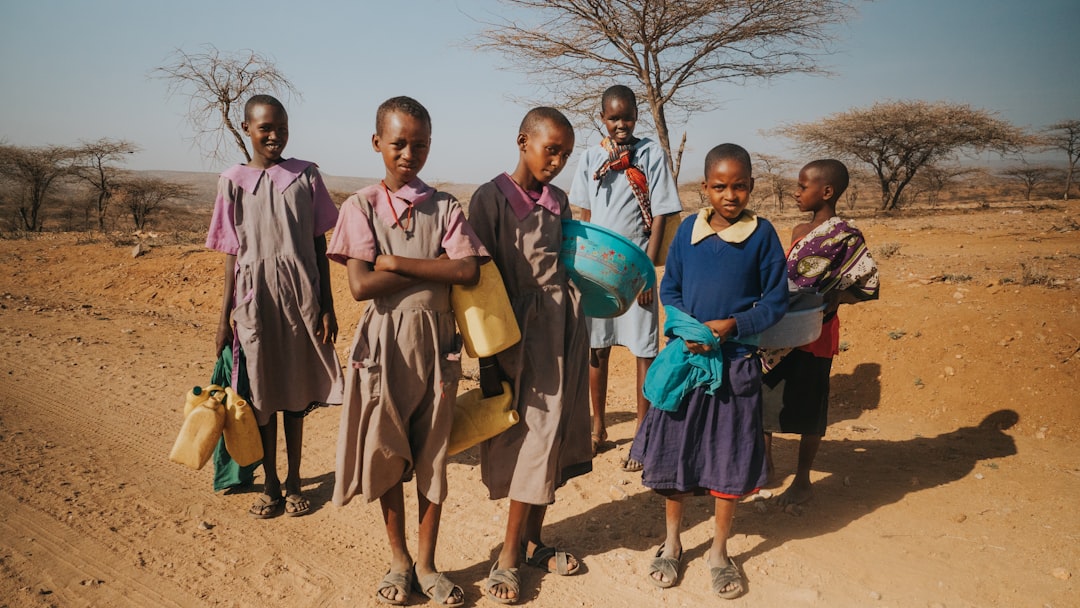
Looking Ahead: The Future of Water Supply in Africa
The future of water supply in Africa hinges on decisive action taken today. With the looming funding gap, the region stands at a crossroads. If investment in water infrastructure does not increase, the consequences could be dire, affecting millions and stalling economic progress. The World Bank’s findings serve as a wake-up call for policymakers and stakeholders to prioritize water supply initiatives.
Furthermore, as climate change continues to impact weather patterns and water availability, adaptive strategies will be essential. This may involve implementing more sustainable water management practices and investing in technologies that enhance efficiency. Countries that proactively address these challenges will be better positioned to secure their water future. The World Bank’s report underscores that innovative financing mechanisms, such as green bonds and climate finance, could play a crucial role in mobilizing the necessary resources.
This includes leveraging technology to improve water management and exploring public-private partnerships to enhance investment in water infrastructure.
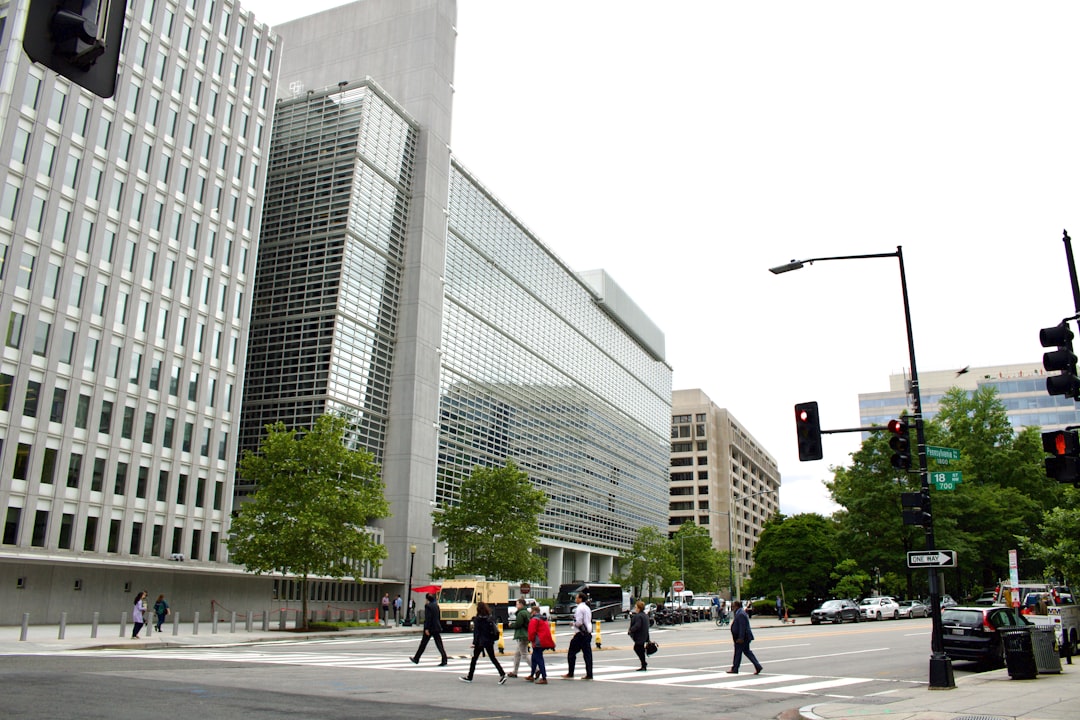
While the current situation is alarming, it also presents an opportunity for innovation and collaboration. Governments, NGOs, and private sectors can work together to develop solutions that not only address immediate needs but also lay the groundwork for sustainable water supply systems. The urgency of the situation calls for a collective response, one that recognizes the fundamental role of water in achieving health, economic stability, and overall development.
As discussions around funding and investment unfold, one question remains: will the international community rise to the challenge and secure a sustainable water future for Africa? The answer may determine the trajectory of health and development across the continent for years to come. The World Bank’s report serves as a critical reminder of the interconnectedness of water supply, health, and economic stability, urging immediate action to avert a crisis that could have far-reaching consequences.
 Government & Policy
Supreme Court Reviews Aviation Accessibility Gaps | Career Outlook
The petition, filed by Turab Chimthanawala, who has a visual impairment, argues that the aviation industry has not implemented adequate measures to ensure accessibility at…
Read More →Written by Career Ahead AI. AI can make mistakes, so verify key facts. Report errors to support@careeraheadonline.com.