India — Xiaomi is investing heavily in premium smartphones and smart home devices. The Indian smartphone market is showing signs of stagnation. On August 15, 2026, the company announced its new strategy. This shift reflects changing consumer preferences towards higher-quality devices. With a slight decline in the smartphone market, Xiaomi aims to capture more of the premium segment.
Xiaomi reported a 212% year-on-year growth in the mid-premium segment. This segment includes devices priced between ₹35,000 and ₹50,000. This growth shows a trend where consumers are willing to spend more on devices they plan to keep for a long time. The average selling price in the smartphone market is around ₹23,000 to ₹25,000. Xiaomi’s success in higher price bands indicates a significant change in buying behavior.
Adapting to Consumer Preferences in Premium Devices
As the Indian smartphone market matures, Xiaomi’s strategy reflects the growing demand for premium features. Consumers want more than just basic functionality; they seek devices with advanced capabilities and longevity. This change requires product managers to focus on high-end specifications like better battery technology and improved processing power.
Sandeep Sarma, Xiaomi’s Director of PR and Marketing, states that battery technology is crucial for this transition. New silicon-carbon technology allows batteries to reach capacities of up to 8,000 mAh while staying slim. This advancement meets consumer demand for longer-lasting devices, as users keep their smartphones for longer periods.
Xiaomi’s no-cost EMI schemes make premium devices more accessible. By allowing consumers to think of purchases as monthly payments, the company changes the perception of high-end smartphones. This financial model could influence product development strategies, encouraging managers to consider pricing structures that match consumer spending habits.
Career Ahead’s analysis shows that the trend towards premium smartphones is not temporary. It represents a significant market shift. As Xiaomi expands its portfolio with devices like the Redmi 17T and performance-focused Redmi Turbo series, product managers must prioritize features that appeal to consumers seeking longevity and value.
This financial model could influence product development strategies, encouraging managers to consider pricing structures that match consumer spending habits.
Additionally, integrating mobile apps with premium devices is becoming more important. Developers need to create applications that utilize the advanced features of high-end smartphones. This ensures seamless user experiences that meet consumer expectations.
 Industry & Global Trends
Paytm, Mobikwik, Pine Labs Shares Plunge Amid UPI MDR Delay
Shares of Paytm, Mobikwik, and Pine Labs have seen a significant drop due to concerns over the delay in the UPI Merchant Discount Rate policy.…
Read More →The Rise of Smart Home Technology
Alongside premium smartphones, Xiaomi is entering the smart home market with its Mijia brand in India. This move aims to create a connected ecosystem that links personal devices with home automation technologies. By offering products like air-conditioners and washing machines, Xiaomi seeks to meet the growing demand for smart home solutions.
As consumers invest more in smart home technologies, mobile app developers have a chance to innovate. Applications that control various home devices from one platform will be essential. This trend highlights the need for developers to improve their skills in smart home integration, ensuring apps can communicate effectively with multiple devices.
Xiaomi’s approach to a connected ecosystem emphasizes the need for interoperability among devices. The Human x Car x Home concept shows how personal devices, vehicles, and home appliances can work together. This interconnectedness will likely increase demand for mobile applications that manage these interactions effectively, posing a unique challenge for developers.
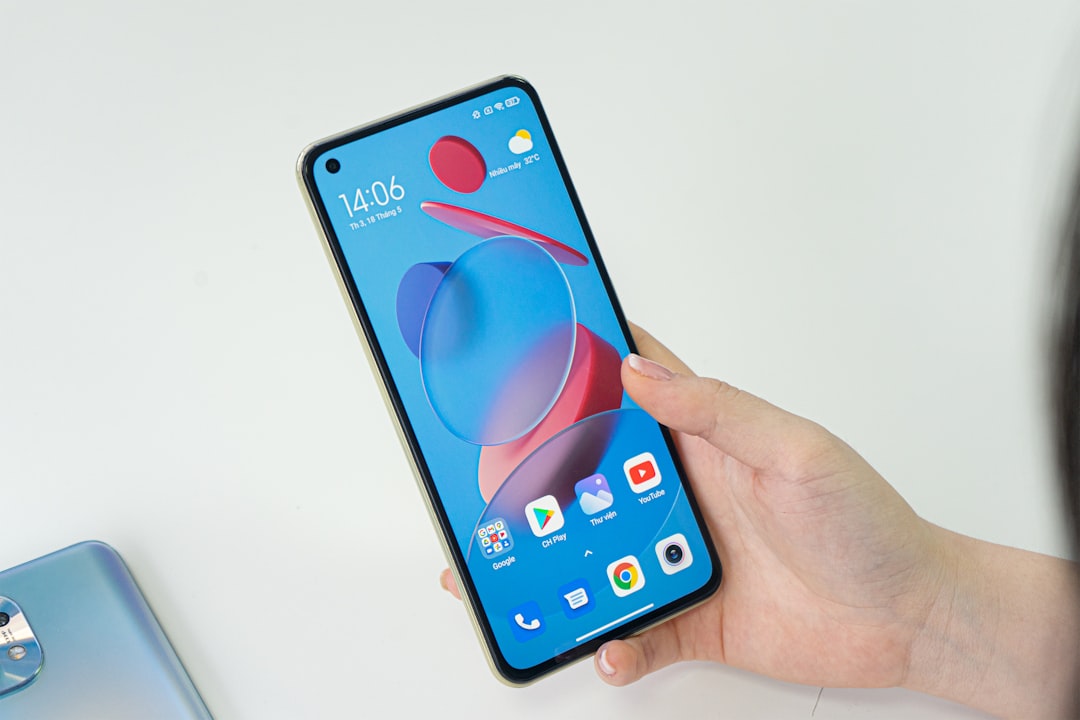
In this changing landscape, home automation engineers must adjust their strategies to align with Xiaomi’s vision. As the company aims to create a unified user experience, engineers must ensure that smart home devices are reliable and easy to integrate with existing technologies.
They must consider how their products fit into a larger ecosystem, emphasizing collaboration and innovation in product design and development.
As the market for smart home products grows, competition will become fiercer. Companies that deliver innovative solutions to enhance user experiences will likely capture a larger share of this emerging market. Therefore, engineers and product managers must stay ahead of trends and consumer preferences to remain competitive.
 Industry & Global Trends
Oil and Gas Prices Surge Amid Middle East Shipping Attacks
The attacks in the Strait of Hormuz have triggered a significant rise in oil prices, impacting bond yields and stock markets globally.
Read More →Xiaomi’s commitment to smart home technology has significant implications for product managers and developers. They must consider how their products fit into a larger ecosystem, emphasizing collaboration and innovation in product design and development.
Xiaomi’s strategic shift signals a broader change in consumer behavior. As the smartphone market stabilizes, consumers are prioritizing quality over quantity. This may alter the competitive landscape for tech companies. Product managers should focus on differentiation through innovative features and enhanced user experiences.
The rise of smart home technology could change how consumers interact with their devices. As they seek more integrated solutions, tech professionals must adapt their strategies. This ensures their products meet the evolving demands of a connected lifestyle.
As Xiaomi continues to innovate and expand, the market will closely watch how other companies respond. Will they shift focus towards premium products and smart home integration? The coming months will reveal whether this trend reshapes the competitive dynamics of the Indian tech industry.
Career Ahead’s analysis shows that product managers should focus on high-capacity batteries, advanced camera systems, and seamless integration with smart home devices.
Frequently Asked Questions
What features should product managers prioritize in premium smartphones?
Career Ahead’s analysis shows that product managers should focus on high-capacity batteries, advanced camera systems, and seamless integration with smart home devices. These features align with consumer preferences for longevity and enhanced functionality.
How can mobile app developers leverage the rise of connected homes?
Developers can create applications that manage smart home devices from a single interface. This integration is essential as consumers increasingly seek convenience and interoperability among their devices.
What strategies should home automation engineers adopt in response to Xiaomi’s market changes?
 Industry & Global Trends
Fed Signals Flexibility in Rate-Hike Timing Amid Inflation Concerns
The Federal Reserve's recent comments on rate-hike flexibility signal potential shifts in monetary policy that could reshape investment strategies for financial analysts and investment managers.…
Read More →Home automation engineers should create reliable and user-friendly devices that integrate seamlessly with existing technologies. Emphasizing interoperability and ease of use will be crucial as the demand for smart home solutions grows.
Written by Career Ahead AI. AI can make mistakes, so verify key facts. Report errors to support@careeraheadonline.com.