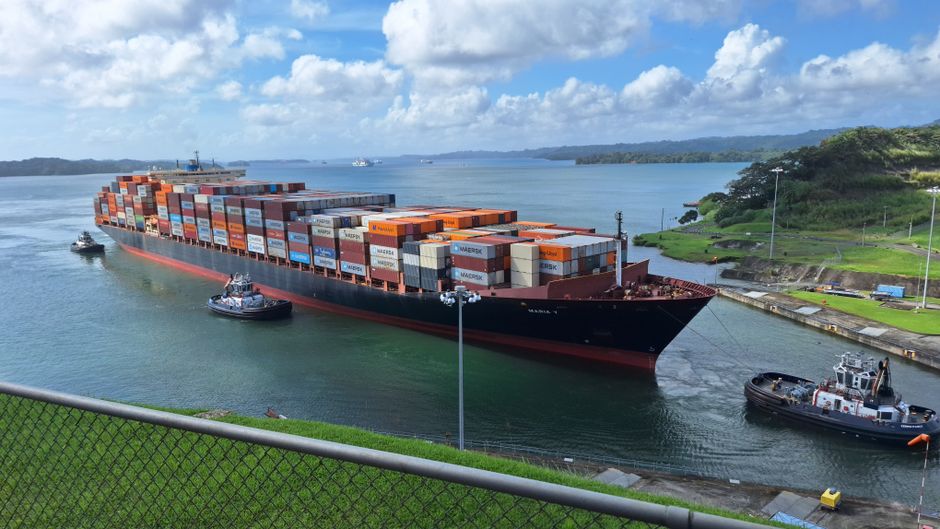
Mexico has unveiled its Interoceanic Corridor of the Isthmus of Tehuantepec (CIIT) as a promising alternative to traditional maritime trade routes. With global waterways facing unprecedented disruptions, this land route aims to connect the Gulf of Mexico with the Pacific coast. The initiative, backed by significant government investment, seeks to enhance the country’s role in global trade.
Since 2019, Mexico has invested approximately 70 billion pesos (around $4 billion) to rehabilitate over 500 miles of railway and modernize ports along the CIIT corridor. This investment not only aims to facilitate smoother transit for cargo but also to stimulate regional economic development. As the corridor prepares for increased cargo traffic, logistics managers and railway engineers are poised to play crucial roles in this transformation.
Logistics Managers: Adapting to New Trade Dynamics
The CIIT corridor is set to redefine logistics strategies for companies engaged in international trade. As disruptions in maritime routes, such as those affecting the Panama Canal and the Strait of Hormuz, continue to pose challenges, logistics managers must adapt to this new landscape. The shift towards land routes will increase demand for logistics expertise, particularly in managing intermodal transport and optimizing supply chains.
With the CIIT corridor operational, logistics managers will need to develop new strategies that leverage this land route’s advantages. This includes understanding the nuances of rail logistics, coordinating with port authorities, and ensuring compliance with international trade regulations. The ability to navigate these complexities will be essential as companies seek to minimize delays and maximize efficiency.
Moreover, the corridor’s establishment presents opportunities for innovation in logistics technology. Companies may invest in tracking and management systems that enhance visibility across the supply chain. As a result, logistics managers who are adept at integrating technology into their operations will be better positioned to lead their organizations through this transition. According to a report from Southern Star Navigation, the CIIT corridor is not just a physical route but a catalyst for technological advancements that can streamline operations and reduce costs.
Companies may invest in tracking and management systems that enhance visibility across the supply chain.
Railway Engineers: Opportunities in Infrastructure Development
The development of the CIIT corridor opens significant opportunities for railway engineers in Mexico. As the government invests heavily in infrastructure improvements, engineers skilled in railway design, construction, and maintenance will be in high demand. The corridor’s expansion is not merely about laying tracks; it involves modernizing existing rail networks and ensuring they meet international standards.
 Industry & Global Trends
Global Trade Surprises with Unexpected Resilience
As the demand for AI technologies continues to grow, supply chain managers must adapt to the new dynamics of logistics and sourcing.
Read More →Railway engineers will need to focus on several key areas, including the integration of advanced technologies in rail systems. This includes adopting smart railway solutions that enhance operational efficiency and safety. Engineers who can implement these technologies will be at the forefront of this infrastructure revolution. The demand for such expertise is further underscored by the ongoing global shifts in trade routes, which require innovative engineering solutions to meet new logistics challenges.
Furthermore, as the CIIT corridor enhances connectivity between major ports, railway engineers will play a crucial role in designing systems that facilitate seamless cargo transfers. This includes developing intermodal facilities that allow for efficient transitions between rail and truck transport. The ability to create these integrated systems will be essential for maximizing the corridor’s effectiveness in global trade.

Collaboration and Innovation: Key to Success
As the corridor progresses, railway engineers will also need to collaborate with logistics professionals to ensure that the rail infrastructure aligns with evolving trade demands. This collaboration will be vital in adapting to changing cargo volumes and types, ultimately strengthening Mexico’s position in the global logistics landscape. The interplay between engineering and logistics will be critical, as both sectors must work together to optimize the corridor’s potential and address any operational challenges that may arise.
The CIIT corridor stands as a testament to Mexico’s ambition to reshape its role in global trade. As this initiative unfolds, the logistics and railway sectors must remain vigilant to the evolving landscape, ready to adapt and seize new opportunities.
Collaboration and Innovation: Key to Success As the corridor progresses, railway engineers will also need to collaborate with logistics professionals to ensure that the rail infrastructure aligns with evolving trade demands.

Frequently Asked Questions
What are the implications of the CIIT corridor for logistics managers?
The CIIT corridor will require logistics managers to adapt their strategies to leverage new land routes, focusing on intermodal transport and optimizing supply chains. Increased demand for logistics expertise will be essential as companies navigate this transition.
How can railway engineers prepare for upcoming projects in Mexico?
Railway engineers should focus on integrating advanced technologies into rail systems and developing intermodal facilities. Collaboration with logistics professionals will be crucial to align infrastructure with evolving trade demands.
What should logistics managers do about the changes in global trade routes?
 Industry & Global Trends
India’s trade caught in the middle
India's trade surplus with the U.S. is critical for offsetting its trade deficit with China. However, rising U.S. tariffs and the impact of artificial intelligence…
Read More →Logistics managers need to reassess their supply chain configurations and adopt flexible strategies to adapt to the new landscape. Investing in technology and training will be vital for success in this changing environment.
Written by Career Ahead AI. AI can make mistakes, so verify key facts. Report errors to support@careeraheadonline.com.