No products in the cart.

YMTC Passes Kioxia in NAND Chip Shipments, Report Says
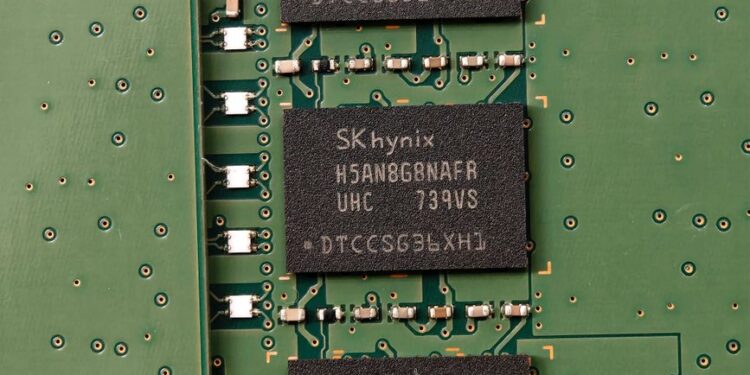
YMTC has surpassed Kioxia in NAND chip shipments, marking a significant shift in the semiconductor market and impacting pricing, supply chain strategies, and job opportunities globally.

YMTC has surpassed Kioxia in NAND chip shipments for the first time. This shift marks a significant change in the semiconductor market. The news was reported on August 13, 2026, and highlights YMTC’s growing influence in the NAND sector. This development impacts pricing, supply chain strategies, and job opportunities for engineers and managers in the industry.
YMTC (Yangtze Memory Technologies Co.) has grown quickly. It has received substantial investments and made advancements in technology. As a state-backed entity, YMTC has used its resources to boost production. This has allowed it to outpace Kioxia, a long-time leader in NAND flash memory. This change is important as demand for NAND chips rises due to cloud computing and mobile devices. A Bloomberg report shows that this leadership change reflects a broader trend in the semiconductor industry. Innovation and production capacity are becoming key competitive factors.
Impact on NAND Chip Pricing and Market Competition
YMTC’s increase in NAND chip shipments is likely to create a more competitive market. This could lead to lower prices. Career Ahead research indicates that as competition grows, manufacturers may need to adjust their pricing strategies. This could benefit consumers and businesses that rely on NAND technology, as lower prices may reduce costs for devices using these chips. Additionally, YMTC’s production efficiency may significantly lower NAND chip costs, reshaping pricing models across the industry.
This leadership change may also disrupt existing agreements and partnerships in the semiconductor supply chain. Companies that have relied on Kioxia for NAND chips may need to rethink their sourcing strategies. This reassessment could create opportunities for new suppliers and businesses willing to adapt. According to BBC News, YMTC’s competitive pressure may push Kioxia to innovate or risk losing market share. This could lead to increased research and development efforts across the sector.
As YMTC ramps up production, its influence on global NAND pricing will likely increase. This could spark a price war among manufacturers, pushing them to innovate and improve their products. The potential for price drops may also encourage more companies to invest in NAND technology, further driving market growth. Additionally, Kioxia may need to rethink its strategies in response to YMTC’s pressure. The company might invest in research and development to differentiate its products or offer more competitive pricing. This dynamic could enhance innovation across the industry, benefiting engineers and developers at the forefront of semiconductor technology.
This leadership change may also disrupt existing agreements and partnerships in the semiconductor supply chain.
You may also like
 Industry & Global Trends
Why the Exit of Legal and Financial Professionals
The predicted exodus of legal and financial professionals from London is expected to reshape job markets across the UK and globally, impacting competition, salary trends,…
Read More →Overall, the changing dynamics in NAND chip shipments show the need for adaptability in the semiconductor market. Companies must stay agile to navigate the shifting landscape and seize emerging opportunities. As the industry evolves, the ability to innovate and respond to market changes will be crucial for maintaining a competitive edge.
Supply Chain Strategies in Response to Market Changes
YMTC’s rise as a dominant player in the NAND chip market will likely lead to major shifts in supply chain strategies. Career Ahead’s analysis suggests that companies may need to diversify their supply chains to reduce risks from relying on a single supplier. This could involve forming partnerships with multiple manufacturers, including YMTC, to ensure a steady supply of NAND chips. The need for a diversified supply chain is highlighted by geopolitical tensions that can affect production and distribution. Companies must have multiple sourcing options.
Moreover, semiconductor companies may need to improve their logistics and inventory management. As demand for NAND chips fluctuates, companies will need to be flexible in their operations. This may involve investing in advanced analytics and supply chain management tools to optimize procurement and distribution. Integrating technology into supply chain management will be vital for companies aiming to maintain efficiency in a rapidly changing market.
The geopolitical landscape around semiconductor manufacturing is also significant. As tensions rise between major industry players, companies may need to rethink sourcing chips from different regions. This could lead to reevaluating existing contracts and partnerships. Manufacturers will seek to align their supply chains with stable and reliable sources. These geopolitical factors can greatly influence production costs and delivery timelines, so companies must be prepared to navigate these complexities.

As the semiconductor industry continues to change, professionals should stay proactive in their career development.
For semiconductor supply chain managers, this evolving landscape presents both challenges and opportunities. Those who navigate these changes effectively will position their companies for long-term success. Adapting to new suppliers and market conditions will be crucial for maintaining a competitive edge. As the industry evolves, supply chain professionals should focus on building strong relationships with emerging players like YMTC. Partnering with new suppliers can lead to innovative solutions and improved product offerings.
As the semiconductor industry continues to change, professionals should stay proactive in their career development. Keeping up with industry trends and technological advancements will be essential for staying relevant in a competitive job market.
You may also like
 Industry & Global Trends
Northrop’s Robot Space Mechanic Revolutionizes Satellite Maintenance
Northrop Grumman's introduction of a robotic space mechanic marks a significant shift in satellite maintenance strategies, highlighting a growing trend towards automation in aerospace. This…
Read More →With ongoing changes in the NAND chip market, the future looks bright for those willing to adapt and innovate. Increased competition may create a more dynamic work environment, with many opportunities for growth and advancement.
The semiconductor industry is on the verge of transformation, with YMTC’s rise marking a pivotal moment. How companies respond to this shift will shape the future of the NAND market and the careers of those within it.
Frequently Asked Questions
What are the implications of YMTC surpassing Kioxia for NAND chip engineers?
YMTC’s rise in NAND chip shipments signals a shift in market dynamics. This presents engineers with new opportunities for innovation and development in NAND technology. As companies invest in R&D to compete, engineers can expect a growing demand for their skills in cutting-edge NAND solutions.
Staying updated on industry trends and being adaptable to new technologies will be essential for success in this competitive environment.
How should semiconductor supply chain managers respond to changes in market leadership?
Supply chain managers should consider diversifying their supplier base to reduce risks from relying too much on a single manufacturer. Building relationships with emerging players like YMTC will be crucial for maintaining a competitive edge in the changing landscape.

What skills should NAND chip engineers develop in light of increased competition from YMTC?
NAND chip engineers should focus on enhancing their expertise in advanced technologies such as 3D NAND and memory architecture. Staying updated on industry trends and being adaptable to new technologies will be essential for success in this competitive environment.
You may also like
 Industry & Global Trends
UK economy grows by 0.4% in second quarter as
The Office for National Statistics (ONS) reported that the services sector, which includes retail and hospitality, saw a notable increase of 0.5%.
Read More →