No products in the cart.

Younger Workers Choose Traditional Crafts Over Digital
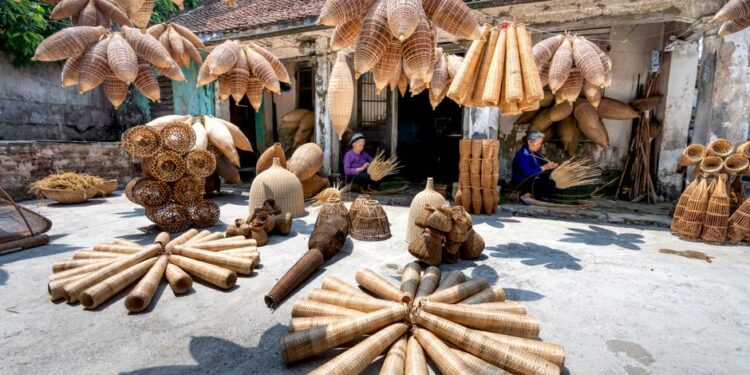
As AI reshapes the job market, younger workers are increasingly gravitating towards traditional crafts like bookbinding and metalwork, seeking fulfillment and job security in hands-on roles.

UK — In a job market transformed by artificial intelligence, younger workers are increasingly abandoning digital careers in favor of traditional crafts. This trend underscores a growing interest in heritage skills such as bookbinding and metalwork, which are perceived as more stable and fulfilling compared to the uncertainty of tech-driven roles. Recent data indicates that many young people now view these hands-on jobs as “AI-proof,” offering a sense of job security and personal satisfaction.
The shift is particularly evident in sectors like bookbinding and metalwork, where apprenticeships are experiencing a resurgence. Eryn Lawley, a 27-year-old apprentice at Ludlow Bookbinders, emphasizes the value of working with her hands, stating that creating something tangible brings a deeper sense of fulfillment. She and her fellow apprentices are turning away from the digital world, seeking careers that provide a more material connection to their work. This sentiment is echoed by many, who find joy in the meticulous nature of their craft, contrasting sharply with the often impersonal nature of digital jobs.
Growing Demand for Skilled Artisans
The resurgence of interest in traditional crafts is not merely a passing trend. According to recent analyses, the demand for skilled artisans is increasing as consumers seek unique, handcrafted items. High-end publishers and design houses are investing in these crafts, believing that products made by human hands carry intrinsic value that AI-generated items cannot replicate. Joanna Reynolds, CEO of the Folio Society, highlights this sentiment by stating that their company has deliberately chosen to avoid using AI in their creative processes to support traditional craftsmanship. This decision resonates with a growing consumer base that values authenticity and the story behind each handcrafted item.
Companies like Cox London, which specializes in artistic metalwork, have reported an overwhelming response to their apprenticeship programs. This year alone, they received over 160 applications for just two available spots. Nicola Cox, co-founder of Cox London, notes that this reflects a genuine desire among young people to engage in craftwork and to have a closer relationship with the materials they use. The enthusiasm for these positions suggests a cultural shift towards valuing craftsmanship over mass production, as young artisans seek not only employment but also a sense of identity and purpose in their work.
Kath Geraghty, head of technical qualifications at the National Theatre, emphasizes the need for skilled workers in traditional crafts, as many current artisans are nearing retirement age.
Moreover, the National Theatre in London is adapting to these shifts by offering technical apprenticeships that span various crafts, from costume design to metalwork. Kath Geraghty, head of technical qualifications at the National Theatre, emphasizes the need for skilled workers in traditional crafts, as many current artisans are nearing retirement age. This initiative aims to fill a skills gap while inspiring a new generation of creators who can carry forward the rich traditions of craftsmanship.
Impact on the Job Market
The increasing interest in traditional crafts carries significant implications for the job market. As younger workers pivot towards these roles, industries that have long struggled with declining interest in craftsmanship may find new opportunities for growth. Research indicates that this shift is creating a niche market for high-quality, handmade products, which could lead to a revival of crafts that have been in decline. The rise of platforms promoting craft-based businesses is also contributing to this trend, as websites and marketplaces dedicated to handmade goods flourish, providing artisans with a platform to showcase their work and connect with consumers who value craftsmanship over mass-produced items.
Furthermore, the challenge of finding qualified apprentices is prompting companies to rethink their training strategies. Paul Kidson, CEO of Ludlow Bookbinders, points out that the industry has been facing a talent shortage for years, with fewer than 50 handcraft-operating bookbinders remaining in the UK. As a result, businesses are now investing in training programs to cultivate the next generation of artisans. This investment is crucial not only for sustaining the craft industries but also for preserving traditional skills that are at risk of being lost.
Additionally, the cultural significance of these crafts cannot be understated. As younger workers embrace traditional skills, they are also contributing to a broader movement that values sustainability and ethical production methods. Many artisans are adopting eco-friendly practices, ensuring that their work aligns with contemporary values regarding environmental responsibility. This shift not only benefits the artisans themselves but also enriches the cultural landscape by preserving traditional skills and techniques.
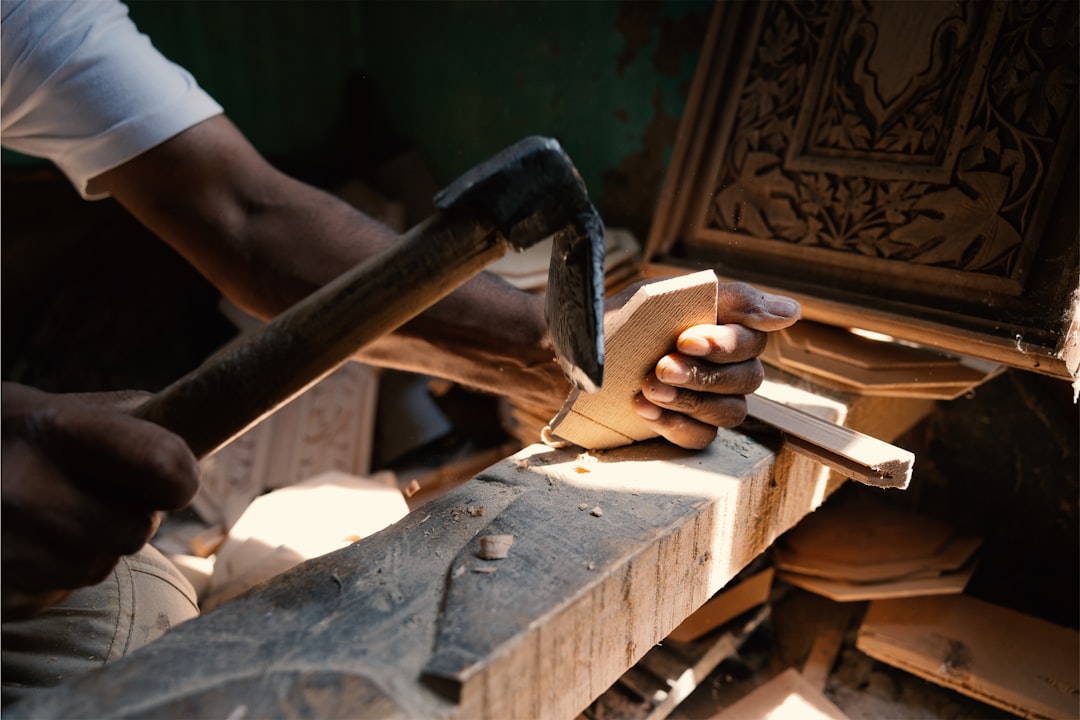
As these trends continue, we may see a more significant integration of traditional crafts into the mainstream economy. The demand for unique, handcrafted items could stimulate job creation in sectors that have been overlooked for decades, fostering a new generation of skilled workers. Ultimately, this movement towards traditional crafts raises important questions about the future of work. Will the demand for skilled artisans continue to grow as technology advances, or will new forms of automation eventually overshadow these crafts? The answers to these questions will shape the landscape of the job market for years to come.
Ultimately, this movement towards traditional crafts raises important questions about the future of work.
Frequently Asked Questions
What traditional crafts are in demand for younger artisans?
Research indicates that traditional crafts such as bookbinding, metalwork, and pottery are experiencing a resurgence in demand among younger artisans, driven by a desire for tangible skills and unique, handcrafted products.
How can I market my skills as a traditional crafts entrepreneur?
Younger artisans should leverage social media platforms and craft marketplaces to showcase their work. Building a strong online presence can help connect with consumers who appreciate handmade items.

What training is needed to excel in traditional crafts?
Training for traditional crafts often involves apprenticeships or workshops that focus on hands-on skills and techniques. Many organizations, like the National Theatre, are offering programs to address the skills gap in these areas.
Related Articles
- The Impact of South Korea’s Chip Export Surge on Careers
Written by Career Ahead AI. AI can make mistakes, so verify key facts. Report errors to support@careeraheadonline.com.