No products in the cart.

Youth Protests Demand Job Transparency in India
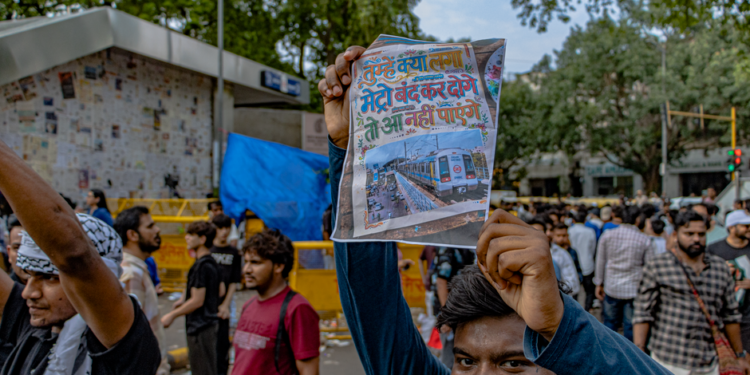
Protests in Jharkhand reflect a growing wave of youth activism in India, demanding reforms in government job recruitment processes amidst allegations of corruption and irregularities.

India — Protests erupted in Jharkhand as thousands took to the streets on August 10, 2026, demanding a complete overhaul of the government job recruitment process. The protesters, primarily young people, allege irregularities in qualifying exams for state civil service jobs. They are calling for investigations into alleged grading errors and financial misconduct, which they believe have adversely affected their chances for stable employment.
The protests in Jharkhand are part of a larger wave of discontent among youth in India. Many are frustrated with poor job prospects and perceived corruption in the recruitment process. The situation escalated when police used tear gas and water cannons to disperse crowds attempting to march to the state legislature. This mirrors similar protests in New Delhi just weeks earlier, where demonstrators faced severe police action, including batons and tear gas.
Growing Discontent and Government Response
The protests in Jharkhand have gained momentum over the past few weeks, culminating in a significant demonstration on August 10. Protesters accused the Jharkhand Public Service Commission of mishandling recruitment exams, leading to widespread calls for accountability. In response to the unrest, the state government canceled the contested exams, and key officials, including the head of the commission, resigned. However, many protesters remain dissatisfied, insisting on a federal investigation into the alleged irregularities.
Sudivya Kumar, the state’s minister for higher and technical education, acknowledged the government’s efforts but noted that they failed to quell the students’ agitation. The protesters argue that cancellations alone are insufficient without comprehensive reform of the recruitment system. The ongoing protests highlight specific grievances in Jharkhand and reflect a growing trend of youth activism across India. Recent protests in New Delhi demonstrated that youth are increasingly unwilling to accept the status quo.
Research indicates that the current wave of protests marks a critical turning point for government hiring practices in India. With rising youth unemployment and waning public trust in recruitment, the Jharkhand protests could signal a shift towards greater scrutiny and reform. The government’s initial response, while significant, may not satisfy demands for transparency and accountability. The protests have also been fueled by examination irregularities reported nationwide, including paper leaks and grading discrepancies, further eroding trust in the system.
Sudivya Kumar, the state’s minister for higher and technical education, acknowledged the government’s efforts but noted that they failed to quell the students’ agitation.
Implications for Youth Activism and Future Protests
The protests in Jharkhand are not isolated incidents; they are part of a larger trend of youth activism in India. Recent events indicate that young people are increasingly willing to challenge the status quo, particularly concerning employment opportunities and government accountability. The ongoing unrest may lead to a reevaluation of hiring practices across various state and national agencies. The protests highlight the frustrations of a generation that has invested heavily in education, only to face a bleak job market.
In recent months, concerns over the integrity of examination processes have grown. Multiple instances of paper leaks and irregularities have been reported across the country, fueling discontent among students who invest significant time and resources in preparing for exams. They see their efforts undermined by systemic flaws. The Jharkhand protests could spark a nationwide dialogue about the need for reform in how government jobs are filled. Amnesty International noted that the crackdown on peaceful protests in New Delhi earlier this summer raised serious human rights concerns, further emphasizing the need for a government that listens to its youth.
The current wave of protests reflects broader dissatisfaction with the government’s handling of education and employment issues. The youth’s demand for accountability is not just about job security; it is about restoring faith in a system that many feel has failed them. The government’s ability to respond effectively to these protests will be crucial in determining whether this unrest leads to meaningful change. The potential for reforms in government hiring practices is significant. If the protests continue to gain traction, they may force policymakers to implement more transparent and equitable recruitment processes, including increased oversight of examination bodies.

Monitoring the Situation and Future Developments
As the situation unfolds, it is essential to monitor how the government responds to ongoing demands for reform. The outcomes of these protests could set a precedent for future interactions between youth and the government, shaping the landscape of employment opportunities in India. The recent protests in Jharkhand remind us of the frustrations faced by young people today, many of whom feel disenfranchised by the current system. The demand for accountability and transparency in government hiring processes is more pressing than ever.
As the protests continue, the question remains: will the government take meaningful steps to address the youth’s concerns, or will these demonstrations fade without effect? The coming weeks will be critical in determining the future of government job recruitment in India.
Frequently Asked Questions
What should government job candidates in Jharkhand know about the ongoing protests?
Government job candidates in Jharkhand should be aware that ongoing protests have led to the cancellation of several recruitment exams due to allegations of irregularities. Candidates should stay informed about potential changes in the recruitment process as the situation develops.
Monitoring the Situation and Future Developments As the situation unfolds, it is essential to monitor how the government responds to ongoing demands for reform.

How might the protests affect youth protest leaders in India’s strategies?
The protests may encourage youth leaders to adopt more organized and strategic approaches to advocacy, focusing on accountability and transparency in government processes. This could lead to a more unified front among youth movements across India.

What steps can candidates take to prepare for potential changes in government job exams?
Candidates should remain vigilant and adaptable, keeping an eye on updates regarding the recruitment process. Engaging with peer networks and staying informed about government announcements will be crucial as reforms unfold.
Related Articles
- Cockroach Innovator Abhijeet Dipke’s Ascent | Career Outlook
- Cockroach Innovator Abhijeet Dipke’s Ascent
Related Articles
Written by Career Ahead AI. AI can make mistakes, so verify key facts. Report errors to support@careeraheadonline.com.