No products in the cart.

₹7,000 Crore Investment Fuels 1,800 km LPG Pipeline Expansion

India's ₹7,000 crore investment in LPG pipeline infrastructure aims to expand the distribution network by 24%, enhancing energy security and creating job opportunities in engineering and project management.

India’s Petroleum and Natural Gas Regulatory Board (PNGRB) has approved the development of about 1,800 km of Liquefied Petroleum Gas (LPG) pipeline infrastructure. This project involves a capital investment of ₹7,000 crore. The goal is to enhance the country’s LPG distribution network by about 24%, increasing it from around 7,700 km to 9,500 km.
The new pipelines will cover six states: Telangana, Maharashtra, Uttar Pradesh, Uttarakhand, Karnataka, and Goa. Important routes include a 556 km stretch from Cherlapally in Telangana to Nagpur in Maharashtra. Another key pipeline is 611 km long, connecting Jhansi in Uttar Pradesh to Sitarganj in Uttarakhand. A 633 km pipeline will link Shikrapur in Maharashtra to Hubli in Karnataka and Goa. State-owned GAIL (India) Limited will manage these projects, which are expected to improve logistics and reduce carbon emissions. According to a report by Business Standard, this initiative aims to enhance energy security and ensure a reliable LPG supply to meet rising domestic demand.
Growing Demand for Pipeline Engineering Expertise
The approval of these pipelines is a key moment for pipeline engineers in India. As the LPG infrastructure expands, the need for skilled professionals to design, build, and maintain these pipelines will increase. Career Ahead’s analysis suggests that this investment could create thousands of jobs in engineering and related fields, especially in project management and construction. The expansion is likely to lead to a surge in recruitment, particularly for engineers specializing in pipeline design and safety compliance.
Pipeline engineers will be vital in ensuring these projects meet safety standards and operate efficiently. The complexity of the infrastructure requires extensive planning and execution across multiple states. Engineers must be skilled in current engineering practices and technologies. They will also need to focus on sustainable practices to minimize environmental impact. As noted by Fortune India, the government’s push for cleaner energy sources aligns with the need for engineers skilled in integrating renewable energy solutions into pipeline projects, enhancing their employability.
Moreover, with the government’s focus on cleaner energy, engineers with expertise in LPG and related technologies will be in high demand. Career Ahead research shows that professionals who can incorporate renewable energy solutions into pipeline projects will have a competitive edge in the job market. The expansion of the LPG pipeline network signifies not only an investment in infrastructure but also a move towards energy security in India. As the country aims to reduce its reliance on imported fuels, skilled engineers will be crucial for this transition.
Career Ahead research shows that professionals who can incorporate renewable energy solutions into pipeline projects will have a competitive edge in the job market.
Project Management Roles in Large Infrastructure Projects
You may also like
 Industry & Global Trends
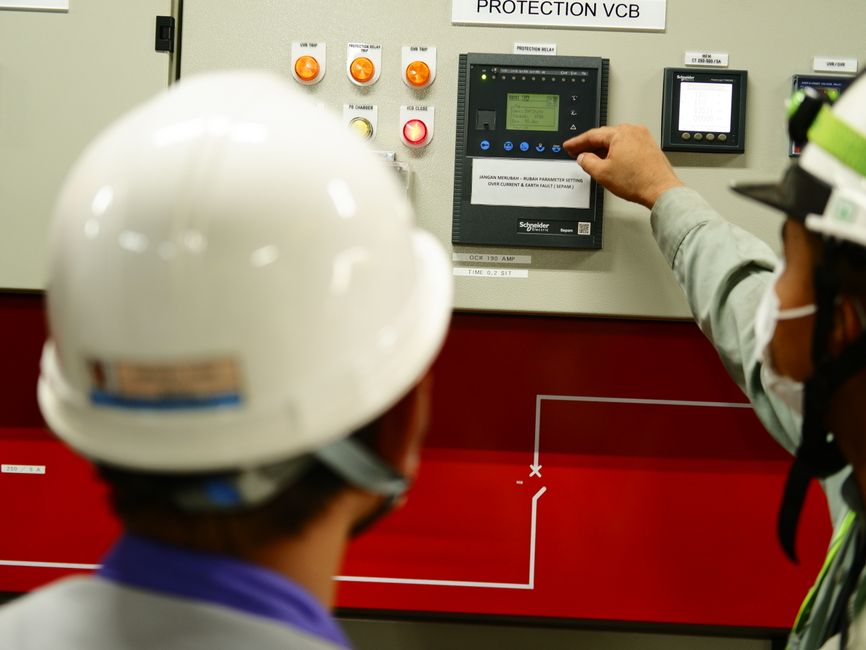
Mergers Reshape Automation Careers at Schneider Electric
Schneider Electric's aggressive investments in automation are reshaping the industry landscape in Europe. This shift is set to create significant job opportunities for automation engineers…
Read More →The approval of the LPG pipeline projects has increased the demand for project managers in the energy sector. These professionals will oversee the execution of the pipelines, ensuring projects are completed on time and within budget. Project managers will also coordinate with various stakeholders, including government bodies, contractors, and local communities. The scale of these projects requires a strong project management framework to handle the complexities involved, especially across different states.
Career Ahead’s analysis highlights that project management roles will evolve to include more responsibilities related to sustainability and regulatory compliance. Managers must ensure projects meet environmental guidelines and safety regulations, which may need additional training and certification. As noted by The Hindu Business Line, integrating advanced project management methodologies, like Agile and Lean practices, will be essential for enhancing efficiency and adaptability in project execution. This shift emphasizes the need for continuous learning and skill development in the field.
The scale of these projects also presents unique challenges, such as managing logistics, workforce allocation, and risk assessment. Project managers will need to use advanced methodologies, like Agile and Lean practices, to improve efficiency and adaptability in execution. As the energy sector grows, project managers who can navigate the complexities of large-scale infrastructure projects will be highly sought after. Their ability to deliver projects that meet both economic and environmental goals will be key to India’s energy strategy.

As the energy sector evolves, the focus on infrastructure development will likely increase, leading to more investments and innovations. Stakeholders should stay alert to emerging trends and opportunities in this dynamic market. The anticipated growth in project management roles is expected to attract both experienced professionals and fresh graduates eager to enter a thriving industry.
The anticipated growth in project management roles is expected to attract both experienced professionals and fresh graduates eager to enter a thriving industry.
The ₹7,000 crore investment in LPG pipeline infrastructure represents a significant opportunity for investment analysts and stakeholders in the energy sector. This funding supports the immediate construction of new pipelines and signals a long-term commitment to improving India’s energy infrastructure. Analysts should closely monitor how this investment affects market dynamics, including potential competition among energy providers and its impact on LPG prices. Career Ahead research indicates that as the pipeline network expands, LPG distribution logistics will improve, potentially lowering costs for consumers.
You may also like
 Industry & Global Trends
Sensex Surges 473 Points as Softer US Jobs Data Boosts Indian Market
The Indian stock market experienced a notable boost as the Sensex surged by 473 points and the Nifty gained 134 points, driven by softer-than-expected US…
Read More →This investment also opens doors for private sector participation in the energy market. Companies involved in pipeline construction, maintenance, and technology development are likely to see growth opportunities. Investment analysts can leverage this trend to identify promising companies and sectors poised for expansion. Additionally, with the global shift towards cleaner energy, investments in LPG infrastructure may attract foreign investment, enhancing India’s position in the international energy market. This trend presents a unique opportunity for analysts to explore new investment avenues and strategies that align with global sustainability goals.
The expansion of the LPG pipeline infrastructure is not just a local development; it has broader implications for the energy landscape in India and beyond. As the country moves towards energy independence and sustainability, investment analysts will play a crucial role in guiding strategic decisions and capital allocation. As the energy sector evolves, the focus on infrastructure development will likely intensify, prompting further investments and innovations. Stakeholders should remain vigilant to emerging trends and opportunities in this dynamic market.
Frequently Asked Questions
What skills do pipeline engineers need for new LPG projects?
Pipeline engineers should have skills in project design, safety compliance, and environmental management. Knowledge of current technologies and sustainable practices will be crucial as the industry shifts towards cleaner energy solutions.
Project managers can enhance their skills by learning advanced project management methodologies and sustainability practices.
How can project managers prepare for large-scale energy infrastructure projects?
Project managers can enhance their skills by learning advanced project management methodologies and sustainability practices. Continuous learning and certifications in relevant areas will help them adapt to the evolving demands of the energy sector.

What investment trends should analysts watch in the energy sector?
Investment analysts should monitor how infrastructure investments impact market dynamics, including potential price changes and competition. The shift towards cleaner energy and increased foreign investment in the LPG sector are also key trends to watch.
You may also like
 Industry & Global Trends
Etched fields funding offers at $40B+ valuation, sources say
Etched Fields is in talks for funding offers valuing the company at over $40 billion, reflecting a significant shift in the funding landscape for AI…
Read More →