No products in the cart.

₹7,877 Crore Boost for Electronic Component Projects

India's Ministry of Electronics and Information Technology has approved ₹7,877 crore for projects under the Electronics Component Manufacturing Scheme, aiming to enhance local production and job creation in the electronics sector.

India’s Ministry of Electronics and Information Technology (MeitY) has approved projects worth ₹7,877 crore under the Electronics Component Manufacturing Scheme (ECMS) as of August 17, 2026. This initiative is designed to significantly boost the production of electronic components that are essential for both defense and consumer electronics.
The approved projects encompass the manufacturing of various components, including electrolyte additives, hermetic terminals, metalized films for capacitors, and coils. Notably, these items have not been produced in India before, marking a significant step towards achieving self-reliance in the electronics sector. The government’s objective is to reduce import dependency while strengthening local manufacturing capabilities. This approval is a strategic move aimed at enhancing domestic production and positioning India as a competitive player in the global electronics market.
Investment Significance in Electronics Manufacturing
The approval of ₹7,877 crore underscores the Indian government’s commitment to fortifying the electronics manufacturing sector. This investment is anticipated to generate substantial economic activity and create job opportunities across various states, including Tamil Nadu, Gujarat, and Maharashtra. IT Minister Ashwini Vaishnaw emphasized that India is progressing towards self-sufficiency in key electronic components, which is vital for the growth of the technology sector. According to a report by The Hindu, this funding is part of a broader vision to establish a robust electronics ecosystem that caters to domestic needs and exports.
The ECMS has previously approved projects worth ₹69,548 crore, with the latest funding contributing significantly to this total. These projects are expected to yield outputs valued at ₹82,243 crore and create approximately 10,000 jobs. This aligns with the government’s goal of fostering a strong electronics ecosystem in India. The anticipated growth in production capacity will not only support local industries but also attract foreign investment as global companies seek to tap into India’s expanding market.
IT Minister Ashwini Vaishnaw emphasized that India is progressing towards self-sufficiency in key electronic components, which is vital for the growth of the technology sector.
Job Creation and Economic Growth
The projects approved under the ECMS are poised to create significant job opportunities. IT Secretary S. Krishnan noted that while the employment targets under the scheme have not yet been fully met, the pace of approvals indicates that the sector is on track to achieve its goals soon. The expected creation of around 10,000 jobs will positively impact the economy, supporting growth in ancillary industries and services related to electronics manufacturing.
The anticipated job creation will span various workforce levels, from entry-level positions to specialized roles. This is particularly relevant for young professionals and graduates entering the job market. The investment is likely to lead to training programs and partnerships with educational institutions to equip the workforce with the necessary skills, ensuring that the talent pool meets the industry’s evolving demands.
You may also like
 Government & Policy
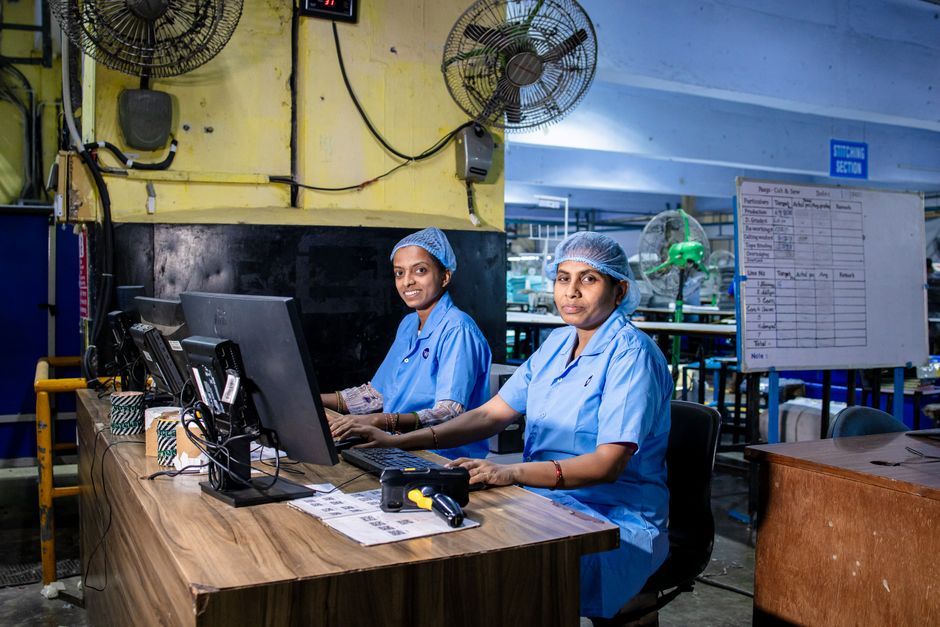
Electronics component scheme gets fifth tranche of approvals
The ECMS aims to enhance domestic electronics manufacturing capabilities, moving beyond mere assembly to include components, materials, and manufacturing equipment.
Read More →Moreover, the investment is expected to stimulate economic growth in regions where these projects are located. States like Tamil Nadu, which received the highest number of project approvals, stand to benefit significantly from increased economic activity. Local businesses may also experience growth as demand for services and materials rises alongside manufacturing initiatives. As highlighted by APAC News Network, new manufacturing facilities can lead to improved infrastructure and services that enhance the local economy.
Supply Chain Optimization
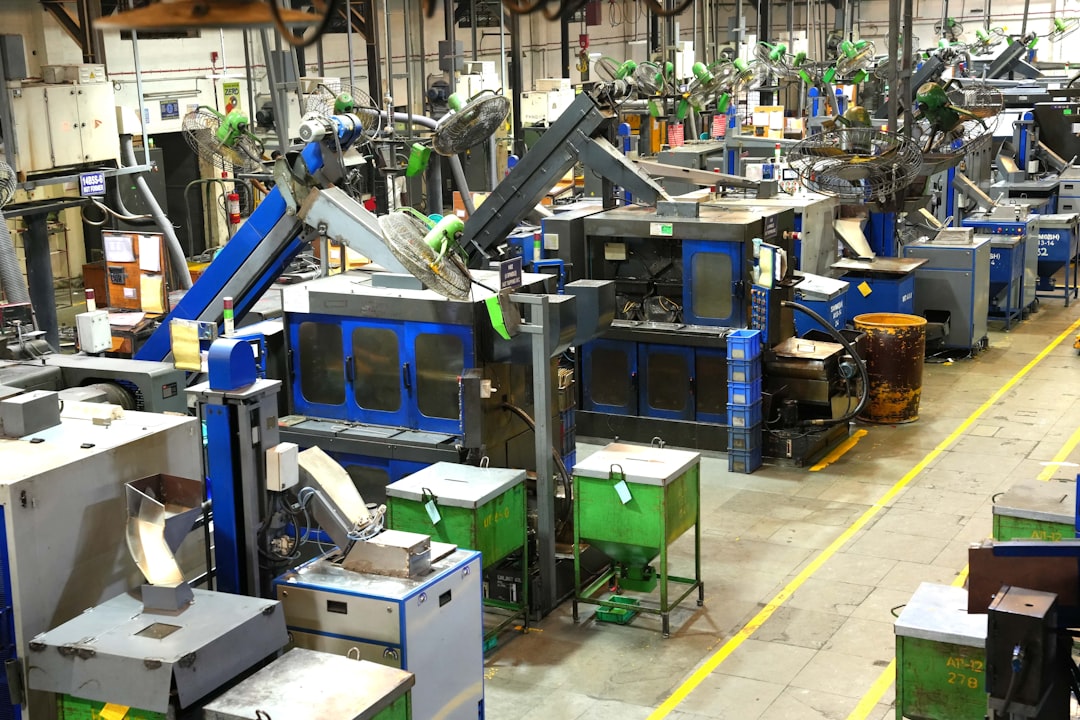
The investment will also enhance supply chain logistics for electronic components. With more components produced domestically, companies can anticipate shorter lead times and improved reliability in their supply chains. This shift is crucial for electronics manufacturers aiming to optimize operations and reduce costs. Increased local production will help mitigate risks associated with global supply chain disruptions, which have been underscored by geopolitical tensions and pandemic-related challenges.
As the focus on local manufacturing intensifies, supply chain managers will need to adapt their strategies. They will likely prioritize local sourcing and build new relationships with domestic suppliers to manage logistics effectively. This transition will necessitate adjustments in inventory management practices to align with the increased production capacity.
Local businesses may also experience growth as demand for services and materials rises alongside manufacturing initiatives.
Future Prospects for Electronics Professionals
In light of this investment, electronics professionals should consider developing skills in supply chain management, local market dynamics, and regulatory knowledge. These competencies will be essential for navigating the evolving landscape of local production and logistics effectively. The government’s push for self-reliance aligns with global trends where countries are localizing supply chains in response to recent disruptions.
As domestic production increases, Indian companies may discover new opportunities to export electronic components, further bolstering the economy. This strategic move is expected to attract international players seeking reliable manufacturing partners, thereby enhancing India’s stature in the global electronics landscape.
You may also like
 Government & Policy
Borrower Consent Required for Loan Benchmark Changes
The RBI's proposed rules mandate that lenders obtain borrower consent before changing loan benchmarks, enhancing transparency and borrower control over EMIs.
Read More →In summary, the recent approval of ₹7,877 crore for projects under the Electronics Component Manufacturing Scheme represents a pivotal moment for India’s electronics sector. As the country advances towards greater self-reliance, the implications for job creation, supply chain management, and economic growth are substantial. The upcoming months will be critical as companies adapt to these changes and seize the opportunities presented by this significant investment.