No products in the cart.

Electronics component scheme gets fifth tranche of approvals

The ECMS aims to enhance domestic electronics manufacturing capabilities, moving beyond mere assembly to include components, materials, and manufacturing equipment.

India’s government has approved the fifth tranche of the Electronics Component Manufacturing Scheme (ECMS), which includes 31 new applications with a proposed investment of ₹6,844 crore. This brings the total number of approved projects to 106, with the latest approvals expected to generate around 74,628 direct jobs and 2.5 lakh indirect employment opportunities. The announcements were made by Union Minister Ashwini Vaishnaw during an event in New Delhi on August 17, 2026.
The ECMS aims to enhance domestic electronics manufacturing capabilities, moving beyond mere assembly to include components, materials, and manufacturing equipment. The approved projects are anticipated to create production worth ₹82,243 crore, marking a significant step towards India’s goal of achieving $500 billion in electronics manufacturing by 2030.
Funding Boost for Electronics Manufacturers
The latest tranche of approvals under the ECMS reflects a substantial increase in funding for electronics manufacturers. With an additional ₹1,033 crore investment linked to already-approved applicant Wipro Global Engineering, the total investment associated with this round reaches ₹7,877 crore. This funding is crucial for manufacturers looking to expand their production capabilities and innovate within the sector.
Among the approved projects, significant investments are directed toward capital goods, camera modules, display modules, and anode materials. For instance, Kaynes Circuits’ PCB facility in Chennai is expected to begin operations soon, while Dixon’s display module facility in Noida is set to follow suit in about four months. The government’s commitment to supporting these projects underscores its recognition of the electronics sector as a key driver of economic growth.
Career Ahead’s analysis indicates that this funding influx will not only boost production but also enhance the competitiveness of Indian manufacturers on a global scale. As companies ramp up production, they will likely seek to improve their supply chain efficiencies, potentially leading to partnerships with local suppliers and other stakeholders. This shift is particularly important as the global electronics market becomes increasingly competitive, with companies vying for market share and innovation leadership.
This shift is particularly important as the global electronics market becomes increasingly competitive, with companies vying for market share and innovation leadership.
Furthermore, the government has emphasized the importance of achieving Six Sigma quality standards and developing indigenous supply chains, which are essential for manufacturers aiming to meet international quality benchmarks. This focus on quality and local sourcing will likely reshape the landscape of the electronics manufacturing sector in India. According to a report from UL Solutions, compliance with these standards not only enhances product reliability but also fosters consumer trust, which is crucial for long-term success.
You may also like
 Government & Policy
MSMEs Demand Action on Rising Steel and Metal Prices
Rising material costs have been a persistent issue for MSMEs, which are already grappling with higher prices for diesel, furnace oil, and LPG.
Read More →In light of this funding, electronics manufacturers are positioned to leverage government support to innovate and expand their operations. Companies that can effectively navigate the new compliance requirements and enhance their design capabilities will be better positioned to capitalize on the opportunities presented by the ECMS. The integration of advanced technologies and practices will be vital as manufacturers strive to meet the evolving demands of the market.
New Compliance Requirements and Industry Expectations
As part of the ECMS, the government has outlined several compliance requirements that manufacturers must adhere to in order to qualify for funding. These include building design capabilities, developing a domestic supply chain, and investing in workforce training. Union Minister Vaishnaw has reiterated the need for companies to meet these expectations, warning that those who fail to comply may be excluded from future rounds of funding.
The push for enhanced design capabilities is particularly significant. Manufacturers are encouraged to either develop these skills in-house or collaborate with specialized institutions to foster innovation. This requirement aims to ensure that Indian electronics manufacturers are not only assembling products but also designing them, which is a critical step toward creating high-value electronics. The IECQ has noted that such capabilities are essential for manufacturers to achieve certification and compliance, which can open doors to new markets and opportunities.
Moreover, the government is placing an emphasis on creating a “swadeshi” (indigenous) supply chain. This initiative is designed to reduce dependency on foreign suppliers and boost local manufacturing. By fostering local partnerships, manufacturers can enhance their resilience against global supply chain disruptions, a lesson learned from the COVID-19 pandemic. The importance of a robust domestic supply chain cannot be overstated, as it not only supports local economies but also ensures quicker response times and reduced costs for manufacturers.
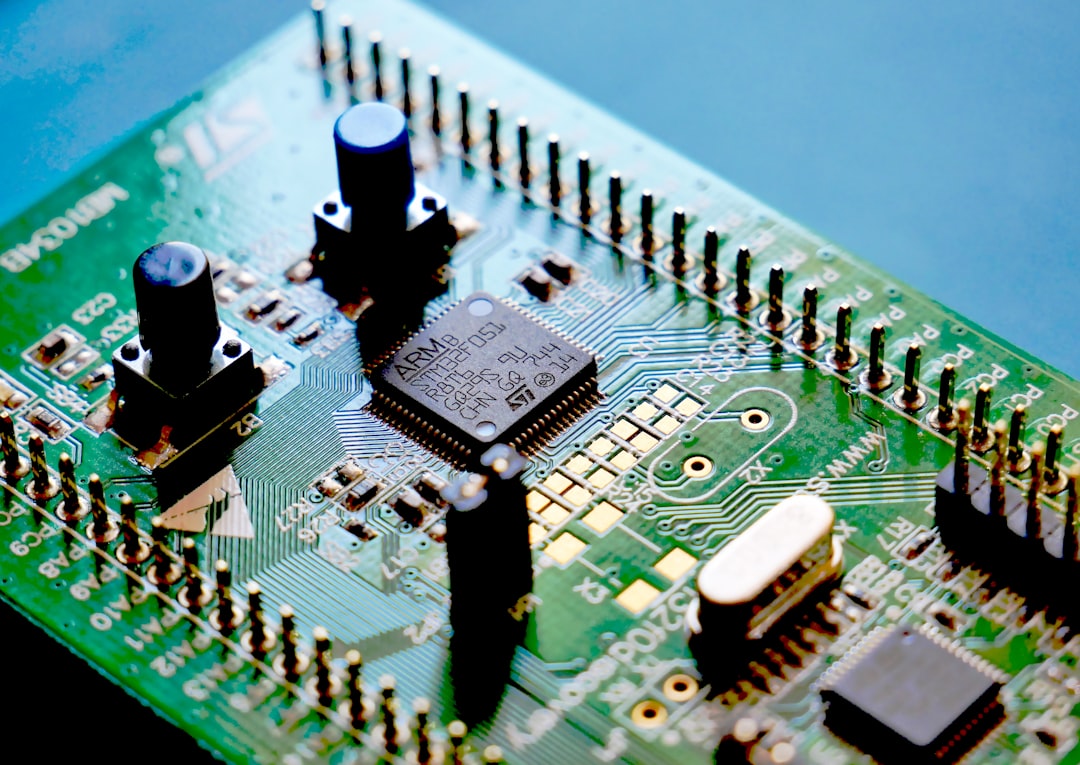
Career Ahead research shows that the integration of these compliance measures is expected to lead to a more robust manufacturing ecosystem in India.
Career Ahead research shows that the integration of these compliance measures is expected to lead to a more robust manufacturing ecosystem in India. As companies invest in their design and supply chain capabilities, they will likely create a ripple effect, generating additional job opportunities and fostering innovation within the sector. However, the path to compliance may pose challenges for some manufacturers, particularly smaller firms that may lack the resources to invest in necessary upgrades. The government’s ongoing support will be crucial in helping these companies navigate the new landscape.
You may also like
 Government & Policy
SEBI Alerts Investors on Anonymous Tips, Finfluencers
Project Jagrook aims to combat the influence of anonymous financial advisors and so-called "finfluencers," who often provide misleading advice to unsuspecting retail investors.
Read More →The fifth tranche of approvals under the ECMS represents a pivotal moment for India’s electronics manufacturing landscape. With the government’s commitment to significantly increasing investment and job creation, the sector is poised for substantial growth. Career Ahead analysis finds that this initiative aligns with broader trends of increasing government investment in the manufacturing sector, which could lead to innovation and job opportunities.
Looking ahead, manufacturers will need to stay agile and responsive to the evolving compliance landscape. The emphasis on quality and local sourcing may create opportunities for partnerships with local suppliers and educational institutions, which can help build the necessary skills within the workforce. As the electronics sector continues to grow, companies that can effectively adapt to these new requirements will not only enhance their competitiveness but also contribute to the overall economic development of the country. The potential for increased production and job creation in the coming years is significant, and the success of the ECMS will be closely monitored by industry stakeholders.
The ongoing evolution of the electronics manufacturing sector in India raises important questions about the future of compliance and quality standards. Will manufacturers successfully meet the government’s expectations, and how will this impact their global competitiveness? The answers to these questions will shape the trajectory of India’s electronics industry in the years to come.
Frequently Asked Questions
What are the implications of the fifth tranche for electronics manufacturers?
The fifth tranche of the ECMS is expected to provide significant funding and support for electronics manufacturers, encouraging them to enhance their production capabilities and comply with new quality standards. This could lead to increased competitiveness in the global market.
Supply chain managers will need to focus on developing local partnerships and enhancing their supply chain resilience.
How can supply chain managers adapt to new regulations from the electronics component scheme?
Supply chain managers will need to focus on developing local partnerships and enhancing their supply chain resilience. Adapting to the compliance requirements will be crucial for maintaining eligibility for government support.
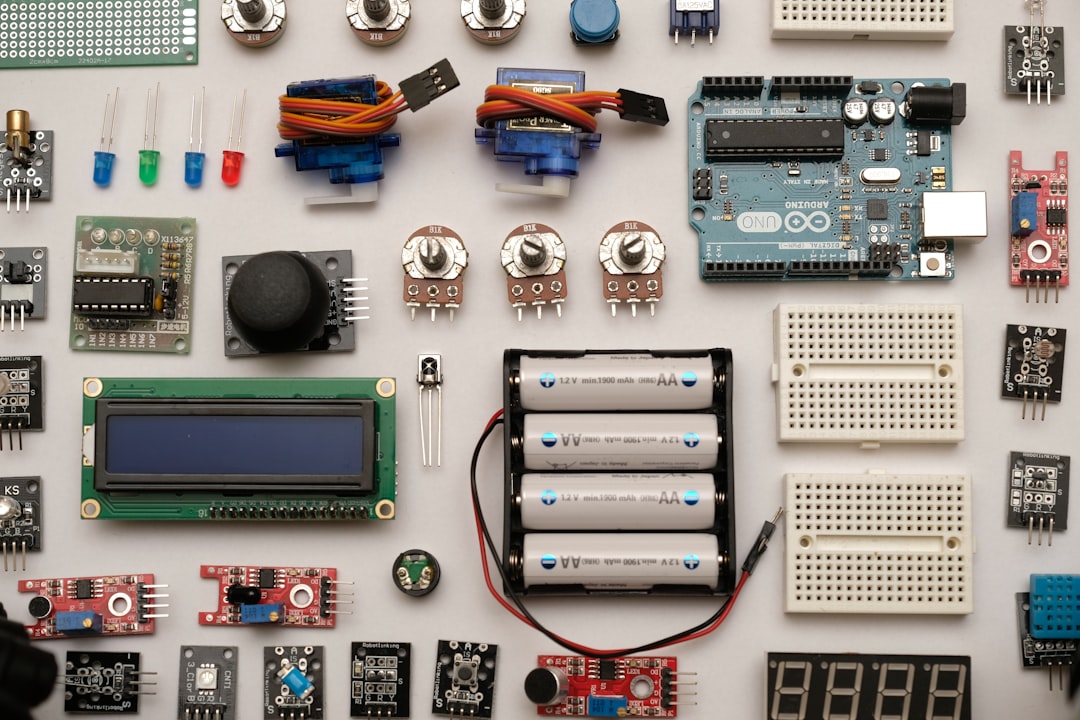
What steps should electronics manufacturers take to leverage government funding opportunities?
You may also like
 Government & Policy
Pentagon Halts Anthropic AI Use After Blacklisting
The Pentagon has officially ceased using Anthropic's AI tools following the company's blacklisting due to national security concerns. This decision marks a significant shift in…
Read More →Electronics manufacturers should invest in building design capabilities, developing a domestic supply chain, and ensuring compliance with quality standards to fully leverage the benefits of government funding under the ECMS.