No products in the cart.

The Risks of Treating AI Agents as Employees | Career Outlook

This article examines the pitfalls of treating AI agents as employees. It discusses the implications for management and productivity, backed by recent research.

Understanding AI’s Role in the Workplace
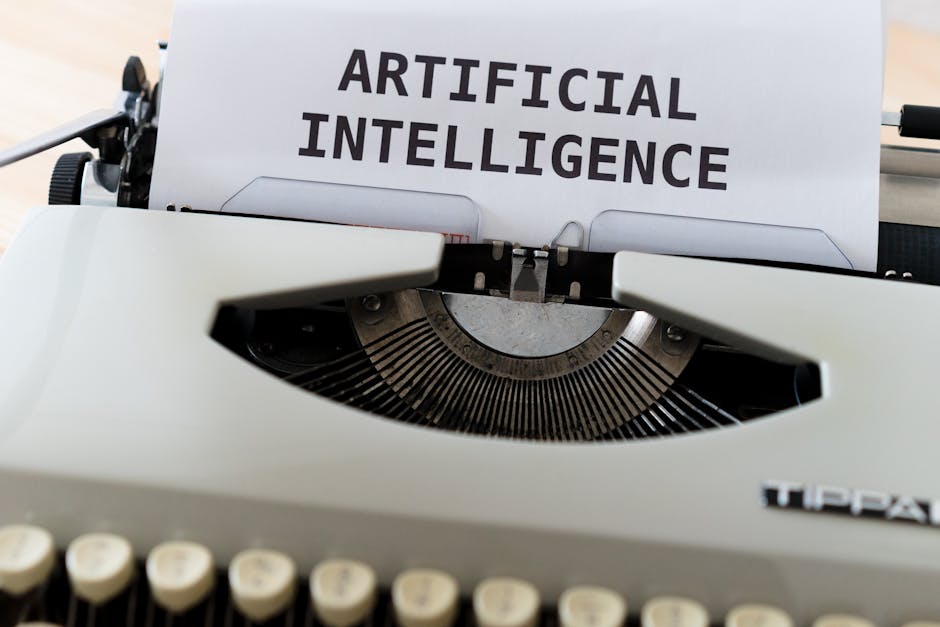
Artificial intelligence is reshaping how businesses operate. As organizations integrate AI into their workflows, a significant question arises: how should these AI agents be perceived? Recent research highlights a critical perspective: AI should not be treated like employees. This misclassification can lead to unrealistic expectations and ineffective management strategies.
According to hbr.org, AI lacks human qualities such as emotions and accountability. This fundamental difference means that treating AI as employees can create confusion in organizational dynamics. While AI can enhance productivity, it cannot replace the nuanced understanding and emotional intelligence that human workers bring to the table.
Organizations must view AI as tools designed to assist humans rather than as substitutes. This shift in perspective is essential for maximizing the benefits of AI while minimizing potential risks. By acknowledging the limitations of AI, companies can better align their strategies with the capabilities of these technologies.
Implications for Management Strategies
The implications of treating AI agents like employees extend into management practices. When companies assign roles and responsibilities to AI, they may inadvertently set themselves up for failure. hbr.org reports that this misclassification can lead to unrealistic expectations regarding AI’s capabilities, resulting in frustration among human employees.
Moreover, when organizations fail to recognize AI’s limitations, they risk overlooking the importance of human oversight. AI systems are not infallible; they can make errors based on the data they are trained on. Without proper human intervention, these errors can escalate, leading to significant operational challenges.
Effective management requires a clear understanding of the distinct roles humans and AI play within the organization. Leaders must foster an environment where AI is seen as a supportive tool, allowing human workers to focus on tasks that require critical thinking and emotional intelligence. This approach not only enhances productivity but also preserves the essential human element in the workplace.
Leaders must foster an environment where AI is seen as a supportive tool, allowing human workers to focus on tasks that require critical thinking and emotional intelligence.
Global Context: AI Adoption Trends
You may also like
 Entrepreneurship & Business
Gordon Ramsay’s UK Restaurants Report Losses Despite £100m Sales
Despite generating over £100 million in sales, Gordon Ramsay's UK restaurants reported significant losses, revealing operational inefficiencies that many restaurant owners can learn from. The…
Read More →Globally, the adoption of AI technologies is on the rise. Organizations across various sectors are investing heavily in AI solutions to streamline operations and enhance decision-making. However, the approach to integrating AI varies significantly from one region to another. In some areas, companies are rushing to adopt AI without fully understanding its implications.
In certain regions, businesses are beginning to recognize the importance of responsible AI use, including understanding the ethical considerations of AI deployment and the potential impacts on the workforce. Organizations that prioritize ethical AI practices are more likely to succeed in the long term.
Conversely, in other parts of the world, the rapid adoption of AI has led to a more experimental approach. Companies are often eager to implement AI solutions without a comprehensive strategy. This can create a disconnect between AI capabilities and organizational needs, leading to inefficiencies and mismanagement.
Contradictions and Active Debates
The debate surrounding the treatment of AI agents as employees is complex and multifaceted. On one hand, proponents argue that integrating AI more closely into organizational structures can drive innovation and efficiency. They believe that by treating AI as part of the team, companies can unlock new levels of productivity.
Organizations must engage in discussions about the ethical implications of AI and its impact on the workforce.
However, this perspective is countered by the growing body of research emphasizing the risks of such an approach. Critics point out that treating AI as employees can lead to a misunderstanding of its capabilities and limitations. This can result in poor decision-making and a decline in overall organizational effectiveness.
The challenge lies in finding a balance between leveraging AI’s capabilities and maintaining a clear understanding of its role. Organizations must engage in discussions about the ethical implications of AI and its impact on the workforce. This dialogue is essential for ensuring that AI is used responsibly and effectively.
Future Outlook: Rethinking AI Integration
You may also like
 Entrepreneurship & Business
Zoho Arattai Challenges WhatsApp Business Pricing
Zoho has launched Arattai for Business, a messaging platform designed to enhance communication for organizations, especially in light of WhatsApp Business's new charges. This article…
Read More →Looking ahead, the future of AI integration in the workplace may involve a reevaluation of how organizations perceive these technologies. As AI continues to evolve, businesses will need to adapt their strategies accordingly. This includes developing frameworks that clearly define the roles of AI and human workers.
Organizations that embrace a collaborative approach to AI will be better positioned to thrive in an increasingly competitive landscape. By recognizing AI as a tool rather than an employee, companies can focus on enhancing human capabilities while utilizing AI to support decision-making processes.

Furthermore, as regulations surrounding AI use become more prevalent, businesses will need to navigate these changes proactively. This will require a commitment to ethical AI practices and a willingness to engage in ongoing education about the implications of AI in the workplace.
Career Relevance: Skills for the Future For young professionals entering the workforce, understanding the role of AI is crucial.
Career Relevance: Skills for the Future
For young professionals entering the workforce, understanding the role of AI is crucial. As companies increasingly adopt AI technologies, workers will need to develop skills that complement these tools. This includes enhancing critical thinking, emotional intelligence, and adaptability.
Moreover, as organizations continue to redefine the relationship between humans and AI, workers who can bridge the gap between technology and human interaction may be in high demand. Emphasizing these skills will not only prepare individuals for the future of work but also ensure they remain relevant in a rapidly changing job market.
In conclusion, the conversation around AI and its role in the workplace is just beginning. By recognizing the importance of treating AI as a tool rather than an employee, organizations can better navigate the complexities of the modern workforce.
You may also like
 Entrepreneurship & Business
Feeld Reports Record Dividend Following 32% Sales Surge
Feeld's record dividend of £3.8M and 32% sales growth showcase a significant shift in the dating app landscape. This highlights the rising demand for niche…
Read More →