No products in the cart.

3 Indian-flagged tankers transit through Hormuz
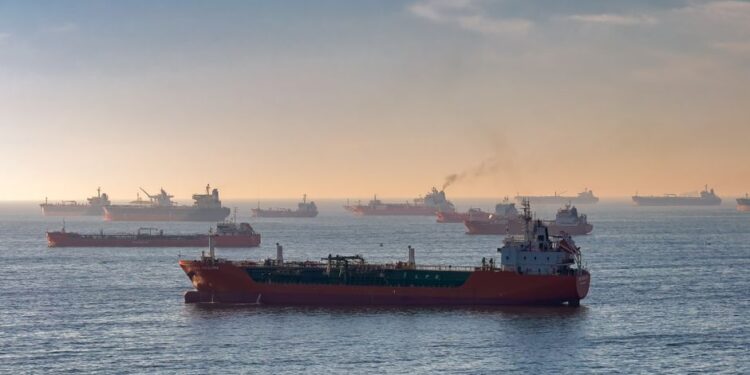
The successful transit of three Indian-flagged tankers through the Strait of Hormuz marks a significant development in global oil logistics, following a period of heightened regional tensions.

On June 20, 2026, three Indian-flagged crude oil tankers crossed the Strait of Hormuz, carrying over 860,000 metric tonnes of cargo. The vessels, named Desh Vaibhav, Desh Vibhor, and Sanmar Herald, are en route to India, with expected arrival dates between June 24 and July 1. This event underscores the critical importance of the Strait of Hormuz for global oil logistics and supply chain management.
This successful transit follows a time of increased tension in the region that had previously limited shipping activities. Recently, the United States lifted its blockade of Iran, allowing oil tankers to navigate through the Strait of Hormuz, a vital artery for global oil transport. This change is crucial for shipping logistics managers and supply chain analysts, as it directly impacts crude oil delivery times and safety protocols. According to the Economic Times, lifting these restrictions represents a major shift in the geopolitical landscape, fostering greater cooperation in maritime trade.
1. Impact of Shipping Routes on Oil Supply Chains
The Strait of Hormuz is one of the world’s most significant maritime routes, with approximately 20% of the global oil supply passing through it. The successful transit of these Indian tankers suggests a potential easing of shipping restrictions, which could enhance the reliability of oil supply chains. Career implications for logistics professionals include the need to reassess routing strategies, as more accessible routes may lead to reduced shipping times and costs, essential for maintaining competitive advantage in supply chain management.
2. Broader Implications for the Oil and Gas Sector
The successful passage of Indian tankers through the Strait of Hormuz has wider implications for the oil and gas sector. As supply chains become more reliable, companies may experience shifts in market dynamics, with increased oil availability potentially leading to more competitive pricing. For professionals in the industry, this means adapting sourcing and procurement practices to optimize supply chains and reduce costs, thereby enhancing operational efficiency in a rapidly changing market.
Career implications for logistics professionals include the need to reassess routing strategies, as more accessible routes may lead to reduced shipping times and costs, essential for maintaining competitive advantage in supply chain management.
3. Focus on Safety and Crew Management
The transit of these tankers highlights the growing importance of safety and crew management as shipping routes become busier with increased oil traffic. Companies must invest in robust training and safety protocols to ensure that crews operate efficiently and safely in high-traffic maritime environments. This focus on safety is critical for shipping logistics managers and supply chain analysts, as they must remain vigilant in addressing potential challenges and risks associated with crew safety in light of recent geopolitical developments.
You may also like
 Industry & Global Trends
US Employers Cut Hiring, Wage Growth Stalls
The current labor market reflects a cautious stance from employers, with many opting to freeze hiring and reassess their workforce needs.
Read More →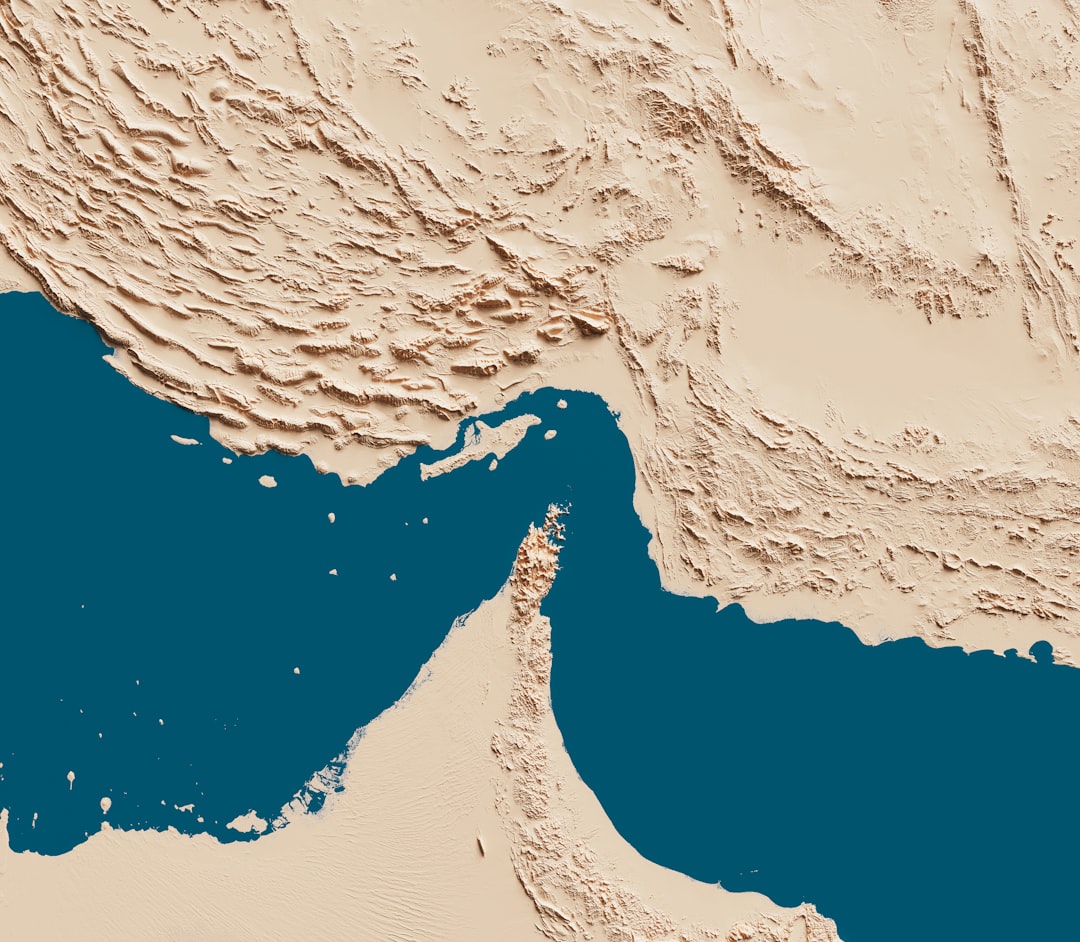
In conclusion, the successful transit of these Indian tankers is a positive development for global oil logistics, yet it raises important questions about the sustainability of this new status quo. The geopolitical landscape’s stability will be crucial for continued access to the Strait of Hormuz, and the potential return of Iranian oil could significantly impact global pricing dynamics. Shipping logistics managers and supply chain analysts must stay alert to these evolving conditions as they shape the future of oil logistics and supply chains in the coming months.
Frequently Asked Questions
How does the transit of tankers through the Strait of Hormuz affect oil prices?
Career Ahead’s analysis indicates that increased tanker traffic through the Strait of Hormuz can help stabilize oil prices. As shipping routes become more accessible, oil supply is likely to increase, contributing to price stabilization in the global market.
What are the risks associated with shipping crude oil through the Strait of Hormuz?
Shipping crude oil through the Strait of Hormuz involves risks such as geopolitical tensions and potential piracy. Companies must implement strong safety protocols and risk management strategies to protect their crews and cargo effectively.
In conclusion, the successful transit of these Indian tankers is a positive development for global oil logistics, yet it raises important questions about the sustainability of this new status quo.

What should shipping logistics managers consider when planning routes for oil tankers?
Logistics managers should take into account geopolitical stability, shipping costs, and crew safety when planning routes for oil tankers. The recent transit of Indian tankers underscores the necessity to reassess routing strategies in response to changing market conditions.