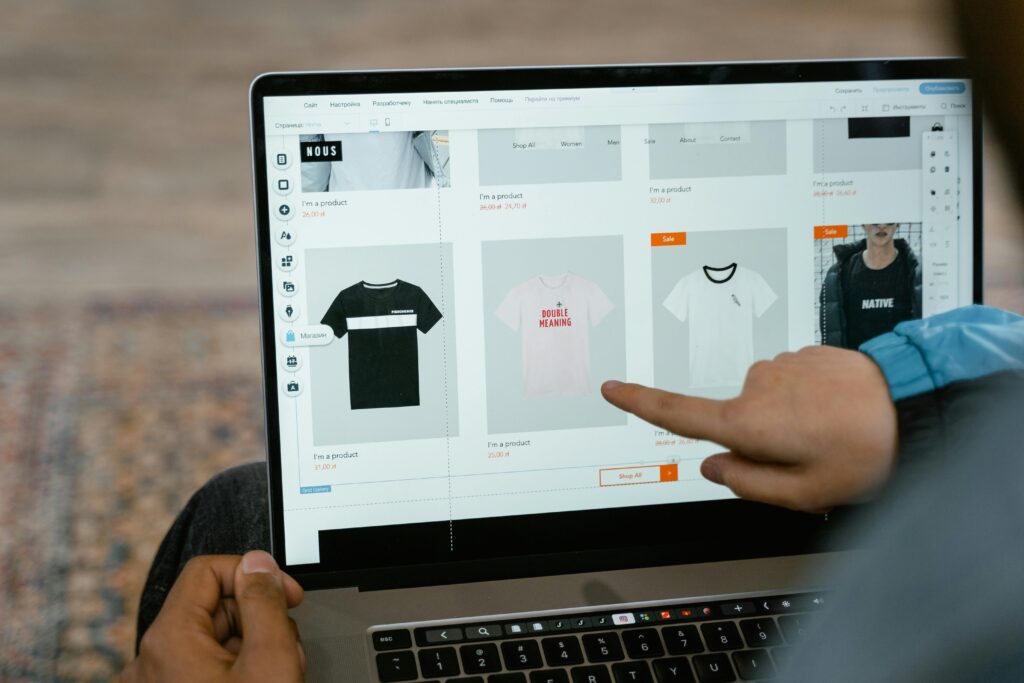
Starting an online store has never been easier.
platforms promise you can “launch in minutes.” Social media influencers talk about building six-figure stores from a laptop. And for many students, creators, and young founders, e-commerce feels like the most accessible way to start a business.
But the reality behind those success stories is far less glamorous.
According to data from the U.S. Bureau of Labor Statistics, around 20% of new businesses fail within the first year, and roughly half don’t survive beyond five years. E-commerce startups face similar challenges: unclear positioning, poor logistics planning, and technical infrastructure mistakes.
The good news? Most of those failures are predictable—and avoidable.
If you’re planning to launch an online store, there are four foundational decisions that can dramatically increase your chances of success.
1. Define Your Product, Market, and Competitive Edge
The biggest mistake new online entrepreneurs make is starting with a platform or website design instead of starting with a market problem.
A successful online store is rarely built around a generic product. Instead, it grows from a specific niche and a clearly defined audience.
For example:
- Sustainable fashion for Gen Z consumers
- Home fitness equipment for small apartments
- Specialty coffee subscriptions for remote workers
- Tech accessories designed for digital creators
The goal is not just to sell something—it’s to solve a specific problem better than competitors.
Before launching, ask:
- Who exactly is your customer?
- What pain point are they trying to solve?
- Why would they buy from you instead of Amazon or another store?
Research tools such as Google Trends, Amazon best-seller rankings, and competitor analysis platforms can reveal demand patterns and gaps in the market.
Understanding your audience early will shape everything else—your website design, pricing strategy, branding, and marketing channels.
The e-commerce platform you choose determines how easily you can build your site, manage products, process payments, and scale your business.
2. Choose the Right E-commerce Platform
Once your product and audience are clear, the next step is choosing the technical foundation of your store.
The e-commerce platform you choose determines how easily you can build your site, manage products, process payments, and scale your business.
Popular platforms include Shopify, WooCommerce, and BigCommerce. Each offers different levels of customization, pricing models, and technical complexity.
 Entrepreneurship & Business
Use a Business Loan to Fix Cash Flow: Five Decisions
Cash flow is the top challenge for half of small firms. Here is how to choose a loan that fits.
Read More →For example:
- Shopify is known for its beginner-friendly setup and integrated tools.
- WooCommerce offers extensive flexibility but typically requires more technical knowledge.
- BigCommerce focuses on scalability and enterprise-level features.
For young founders or first-time entrepreneurs, the decision usually comes down to three factors:
- Technical skills
- Budget
- Long-term growth plans
Some platforms prioritize simplicity, while others provide deeper customization.
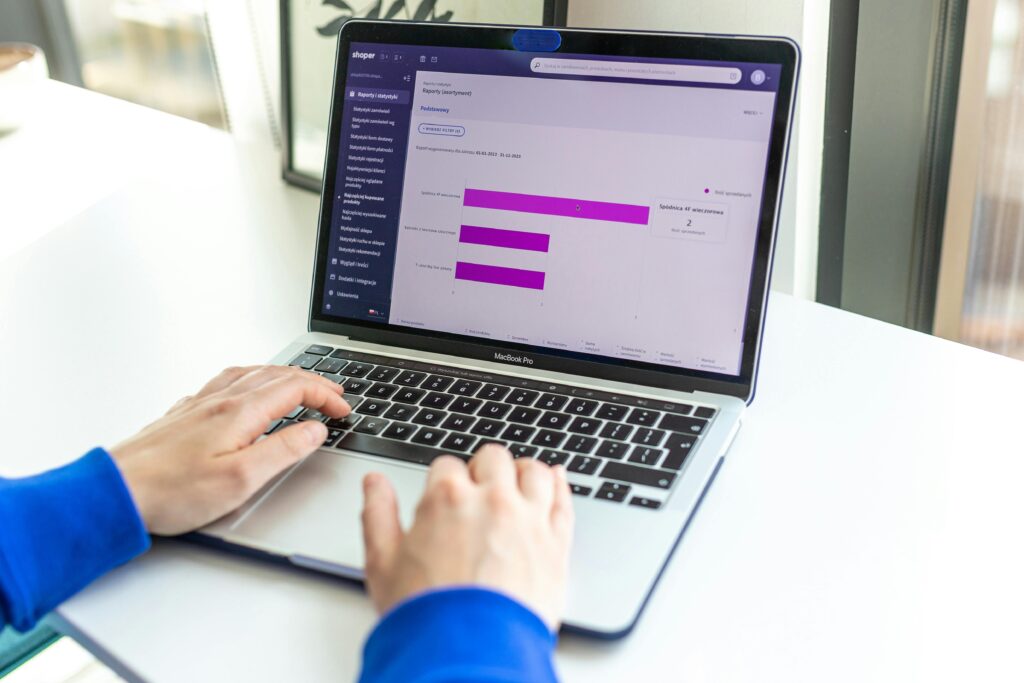
Whichever route you choose, the platform should support your growth as your store evolves—something many experts in business innovation emphasize when discussing scalable digital ventures.
3. Understand the Type of Online Store You’re Building
Not all online stores operate the same way.
The structure of your business model determines everything from logistics to payment processing.
Common online retail models include:
Direct-to-Consumer (DTC)
Brands sell products directly to customers through their own websites rather than relying on marketplaces or retailers.
Examples include many modern fashion, beauty, and wellness startups.
Dropshipping
Entrepreneurs sell products without holding inventory. Instead, suppliers ship products directly to customers.
While it lowers startup costs, dropshipping can create challenges around quality control and shipping times.
Digital Products Stores selling digital goods—such as online courses, templates, or software—benefit from minimal logistics but require strong intellectual property and marketing strategies.
Digital Products
Stores selling digital goods—such as online courses, templates, or software—benefit from minimal logistics but require strong intellectual property and marketing strategies.
Regulated or High-Risk Products
Some industries operate under stricter regulations and payment requirements.
These can include:
- Firearms and tactical equipment
- CBD products
- Nutritional supplements
- Certain medical or adult products
Because of compliance rules and higher chargeback risks, many traditional payment processors restrict these categories.
 Entrepreneurship & Business
How to Test a Business Idea Before Building It
On day two, show your offer to 10 or 20 potential customers and ask for a response.
Read More →In such cases, businesses often require specialized payment infrastructure. For instance, retailers selling firearms or related equipment typically need a firearm merchant account designed to support transactions within regulated industries while meeting legal and financial compliance requirements.
Understanding these operational differences early can prevent payment disruptions, account freezes, or compliance issues later.
4. Build a Shipping and Fulfillment Strategy That Customers Trust
Shipping is one of the most overlooked aspects of launching an online store—but it can make or break customer satisfaction.
Research by PwC’s Global Consumer Insights Survey consistently shows that delivery speed and shipping costs are among the top factors influencing online purchase decisions.
Customers now expect:
- Transparent shipping fees
- Reliable delivery timelines
- Easy returns
Founders typically choose between three fulfillment models:
Self-Fulfillment
You store inventory and ship products yourself.
Pros:
- Full control over packaging and quality
Cons:
- Time-consuming as orders scale
Third-Party Logistics (3PL)
A logistics partner stores and ships products on your behalf.
Less control over packaging and branding Marketplace Fulfillment Platforms like Amazon offer fulfillment services where they store and ship inventory.
Pros:
- Scalable operations
- Faster delivery networks
Cons:
- Less control over packaging and branding
Marketplace Fulfillment
Platforms like Amazon offer fulfillment services where they store and ship inventory.
Pros:
- Fast delivery infrastructure
Cons:
- Platform fees and dependency risks
 Entrepreneurship & Business
He Was a Tech Investor Before There Was a Silicon Valley
The significance of Draper's work cannot be overstated. He was not just an investor; he was a visionary who recognized the potential of technology to…
Read More →Regardless of the model you choose, clarity matters. Clear shipping policies and realistic delivery timelines build trust—one of the most valuable currencies in e-commerce.
The Bigger Picture: Building a Store That Lasts
Launching an online store isn’t just about setting up a website.
It’s about designing a system that connects product, technology, logistics, and customer experience.
When those pieces align, an online store becomes more than a side hustle—it becomes a scalable business.
For the new generation of entrepreneurs, especially students and early-career professionals, e-commerce remains one of the most accessible entry points into business ownership.
But accessibility doesn’t replace strategy.
The founders who succeed aren’t just the ones who launch quickly.
They’re the ones who plan carefully, understand their market deeply, and build infrastructure that supports long-term growth.
Because in digital retail, success rarely happens overnight.
They’re the ones who plan carefully, understand their market deeply, and build infrastructure that supports long-term growth.
But with the right foundation, it can happen faster than you think.
Written by Career Ahead AI. AI can make mistakes, so verify key facts. Report errors to support@careeraheadonline.com.