The Allure of the Croupier: A Unique Career Choice
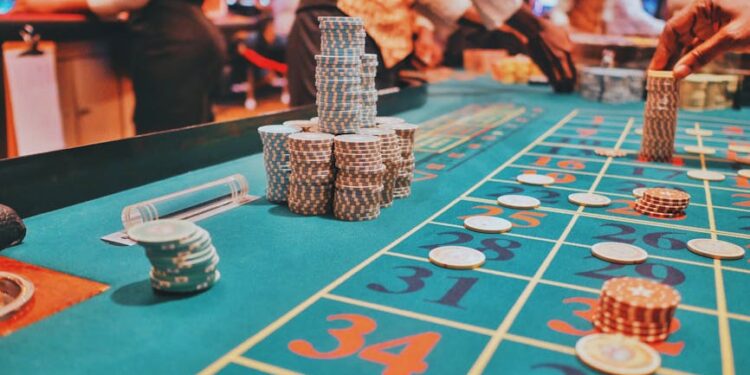
Step into a casino, and you’ll hear the familiar sounds: chips clinking, a roulette wheel spinning, and the soft buzz of excitement. The croupier orchestrates this experience, blending math with performance. This role offers a front-row seat to an industry driven by human drama. In places like Macau, where gaming revenue once surpassed the GDP of small nations, being a croupier comes with both prestige and pressure. A Bloomberg report from October 2015 highlighted a 33% drop in Macau’s gaming revenue, reminding us that casino fortunes depend on the economy. Despite fluctuating revenues, skilled dealers remain in demand; machines can’t replicate the human touch, especially in high-stakes games where trust is crucial.
Skills That Set Successful Croupiers Apart
Mathematical Agility
Croupiers must quickly handle bets, chip counts, and payouts. They rely on mental math to assess odds and probabilities without calculators, ensuring accuracy and confidence for players and the house.
Clear, Courteous Communication
A croupier is also a host. They announce cards, explain rules, and calm upset players with a friendly yet firm tone. Clear communication keeps the game flowing smoothly.
Laser-Focused Attention to Detail
The casino floor is busy with chips, cards, and bets. A moment’s distraction can lead to mistakes. Successful dealers maintain awareness to monitor cash flow, verify identities, and enforce rules while managing the game.
Successful dealers maintain awareness to monitor cash flow, verify identities, and enforce rules while managing the game.
Calm Under Pressure
High-stakes tables can change quickly from celebration to tension. Croupiers must stay composed, managing rapid bets, large payouts, and disputes without showing stress. Their calmness ensures players feel the game is fair.
Training Pathways: From Novice to Expert
Foundational Onboarding
Most casinos start new hires with structured onboarding. Classroom sessions cover the rules of popular games like blackjack and roulette, along with regulatory requirements. Trainees learn chip handling, ensuring every interaction meets the casino’s standards.
Accel's recent closure of a $550 million fund marks a significant moment for India's startup ecosystem, indicating increased investment opportunities and a shift towards aggressive…
After classroom training, apprentices work under experienced dealers. This mentorship allows novices to start with simple tasks, like managing chips, and gradually take on more responsibilities, receiving real-time feedback to improve their skills.
Certification and Continuous Learning
While not always required, many areas encourage or require certification to validate a dealer’s knowledge of game rules and responsible gaming practices. Certification bodies update training to reflect new regulations and technologies, such as electronic betting terminals.
Adapting to Technology
Automation is changing the casino landscape. Tools like electronic shufflers and RFID chips reduce manual tasks, allowing croupiers to focus on player interaction. Training now includes these technologies to prepare dealers for hybrid environments.
Certification and Continuous Learning While not always required, many areas encourage or require certification to validate a dealer’s knowledge of game rules and responsible gaming practices.
The Future Landscape for Croupiers
The croupier’s role is evolving, not disappearing. The same Bloomberg article that reported Macau’s revenue drop also noted casinos are investing in experiences that highlight human interaction. Live dealer platforms, for example, stream real tables to online players, requiring croupiers to adapt their skills for both in-person and virtual audiences.
Regulatory scrutiny is increasing globally. Anti-money-laundering rules now require dealers to identify unusual betting patterns and verify player identities more rigorously. Ongoing education helps staff stay compliant, making it a core skill.
Consumer preferences are shifting, especially among younger players who prefer mobile betting. Croupiers must expand their skills to understand digital interfaces and guide players through hybrid experiences while maintaining the personal touch that sets live tables apart from automated games.
Strategic Perspective: Crafting a Sustainable Career
Choosing to be a croupier means committing to a career that combines math, hospitality, and performance. The profession offers clear advancement: from entry-level tables to high-limit sections, supervisory roles, and eventually training or management positions. Each step builds on the foundation of precision, poise, and people skills, rewarding adaptability to new technologies and regulations.
Croupiers must expand their skills to understand digital interfaces and guide players through hybrid experiences while maintaining the personal touch that sets live tables apart from automated games.
For those who thrive in fast-paced settings and enjoy guiding chance, the croupier’s table remains an exciting place. As casinos navigate revenue changes, embrace digital innovations, and tighten compliance, the skilled dealer who combines accuracy with genuine engagement will remain essential to the gaming experience.




 Entrepreneurship & Business
Entrepreneurship & Business