
The Federal Reserve held interest rates steady during its recent meeting on July 29, 2026, amidst a backdrop of ongoing debates about how to effectively combat inflation. This decision comes as some policymakers within the Fed push for a quarter-point increase, highlighting a split in opinions on the best approach to manage rising prices. The implications of this meeting are particularly significant for financial analysts and investment managers as they navigate the complexities of a shifting economic landscape.
The Fed’s decision to maintain rates has sparked discussions about future borrowing costs and investment strategies. With inflation remaining a pressing concern, the central bank’s approach will influence market conditions and investor sentiment. Kevin Warsh, the Fed chairman, emphasized the importance of financial conditions in the Fed’s strategy, suggesting that while rate increases could be part of the solution, they are not the only tool available. Warsh stated, “There was nothing inertial about our discussions, our policy or our strategy,” indicating that the Fed is actively considering various measures to address inflation rather than remaining passive.
Impact of Interest Rate Decisions on Equity Markets
The Federal Reserve’s stance on interest rates directly impacts equity markets. When rates are held steady, as they were recently, it can lead to increased investor confidence. However, the uncertainty surrounding future rate hikes creates volatility in the markets. Career Ahead’s analysis of recent market reactions shows that long-dated Treasury yields surged following the Fed’s meeting, indicating skepticism about the Fed’s commitment to controlling inflation. This skepticism is further fueled by the internal divisions within the Fed, where three policymakers voted in favor of a quarter-point increase, suggesting that the debate in the coming months will center not on whether the central bank will lift borrowing costs, but when.
Financial analysts must consider how these interest rate decisions affect investor behavior. A stable rate environment typically encourages investment in equities, as lower borrowing costs make it cheaper for companies to finance growth. Conversely, indications of potential rate hikes can lead to a sell-off as investors brace for higher costs and reduced corporate profitability. This dynamic underscores the necessity for investment managers to remain agile in their strategies. Furthermore, the Fed’s communication strategy will play a crucial role in shaping market expectations. Clear guidance on future rate movements can help stabilize markets and reduce uncertainty, as noted by analysts from CNBC who highlighted the importance of understanding the Fed’s messaging in the context of market reactions.
Understanding the nuances of these debates can provide critical insights into future market movements.
Moreover, the internal divisions within the Fed, as highlighted by the differing opinions among policymakers, signal potential volatility ahead. Analysts need to monitor these discussions closely, as shifts in Fed policy can lead to rapid adjustments in market sentiment. Understanding the nuances of these debates can provide critical insights into future market movements. As the Fed navigates its path forward, equity markets will react to both the decisions made and the rhetoric surrounding those decisions. Financial analysts should prepare for a range of scenarios, including potential rate increases, which could reshape the investment landscape significantly.
Strategies for Managing Inflation Risk
In light of the Fed’s recent meeting, investment managers must develop strategies to mitigate inflation risk. With inflation rates remaining elevated, traditional investment approaches may need to be reassessed. Career Ahead research identifies that sectors such as commodities and real estate often perform well during inflationary periods, making them attractive options for investors seeking to hedge against rising prices. Additionally, incorporating inflation-protected securities into investment portfolios can provide a buffer against the eroding purchasing power caused by inflation. These securities, such as Treasury Inflation-Protected Securities (TIPS), adjust their principal value based on inflation, offering a safeguard for investors. Understanding the balance between risk and return in this context is essential for financial analysts tasked with optimizing investment strategies.
Moreover, diversifying across asset classes can also serve as a protective measure. By spreading investments across various sectors, including equities, fixed income, and alternative investments, managers can reduce the overall risk associated with inflation. This approach allows for more stability in portfolios, especially during periods of economic uncertainty. Investment managers should also keep an eye on global economic indicators that may signal changes in inflation trends. Monitoring data from institutions like the World Bank and the International Monetary Fund can provide valuable insights into potential shifts in the economic landscape, allowing for proactive adjustments in investment strategies.
The Federal Reserve’s decision to hold rates steady raises questions about future borrowing costs. As inflation remains a critical issue, the Fed’s approach will likely evolve in the coming months. Career Ahead analysis finds that the central bank’s internal divisions indicate a potential for more aggressive rate hikes if inflation does not show signs of abating. This could lead to increased borrowing costs for consumers and businesses alike. Financial analysts must prepare for scenarios where borrowing costs rise, which could stifle economic growth. Higher rates can lead to reduced consumer spending and lower business investments, impacting overall economic activity. This environment necessitates a careful evaluation of investment strategies, particularly in sectors sensitive to interest rate fluctuations.
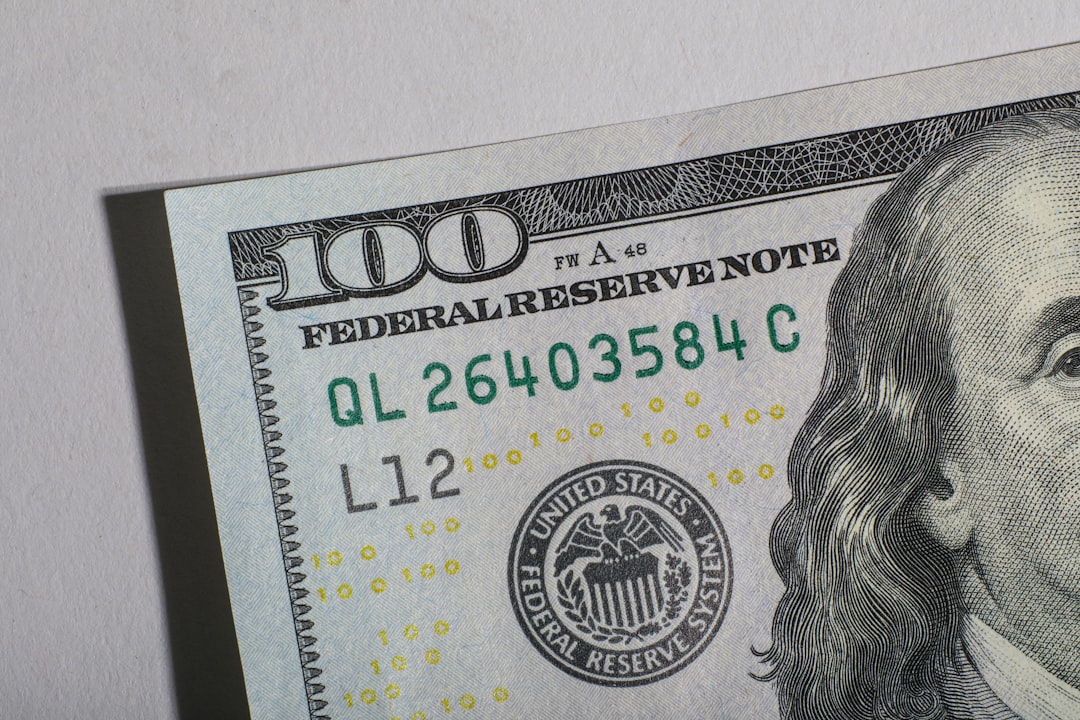
As the economic landscape continues to shift, the interplay between interest rates and inflation will remain a focal point for investors. Understanding the implications of the Fed’s decisions will be essential for financial analysts and investment managers looking to navigate these turbulent waters effectively. The Federal Reserve’s current stance on interest rates sets the stage for a complex economic environment. As analysts and managers look ahead, the key will be to stay informed about potential shifts in Fed policy and their implications for investment strategies. Will the Fed’s next move signal a return to higher borrowing costs, or will the current stability persist? The answers to these questions will shape the investment landscape in the months to come.
Financial analysts must prepare for scenarios where borrowing costs rise, which could stifle economic growth.
Frequently Asked Questions
What should financial analysts consider after the Fed’s latest meeting?
Financial analysts should closely monitor the internal divisions within the Federal Reserve and their implications for future policy changes. Understanding how these dynamics may influence interest rates and market volatility is crucial for making informed investment decisions.
How can investment managers adjust portfolios in response to interest rate changes?
Investment managers can adjust portfolios by incorporating inflation-protected securities and diversifying across asset classes to mitigate risks associated with rising borrowing costs. Staying informed about economic indicators will also help in making proactive adjustments.

What strategies should I adopt to mitigate inflation risk in my investments?
To mitigate inflation risk, consider investing in sectors that typically perform well during inflationary periods, such as commodities and real estate. Additionally, incorporating TIPS and diversifying investments can provide a buffer against rising prices.
Written by Career Ahead AI. AI can make mistakes, so verify key facts. Report errors to support@careeraheadonline.com.