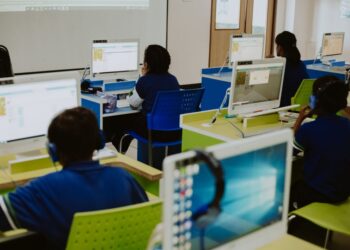
The collapse of Guidepost Montessori, resulting in a $440 million loss, serves as a cautionary tale for preschool entrepreneurs and investors about the risks of rapid expansion without sustainable practices.
Guidepost Montessori, once a promising preschool chain, recently collapsed, leading to a staggering $440 million loss. This downfall, evident in September 2026, shocked the early childhood education sector and raised serious questions about the sustainability of rapid expansion strategies in this industry.
This event is significant for preschool entrepreneurs and education investors, highlighting the risks of aggressive scaling without a solid foundation. The collapse affects those directly involved and serves as a cautionary tale for others in the sector aiming to innovate and expand.
Key Factors Behind the Collapse
Guidepost Montessori’s rapid growth stemmed from substantial investment and an ambitious vision. However, this growth lacked a sustainable operational model. According to globalbrokers.com, the chain expanded too quickly, opening numerous locations without adequately assessing market demand and operational capacity.
Moreover, significant financial backing from investors created an illusion of stability. Yet, as reported by unfairgaps.com, operational challenges soon surfaced. The company struggled to maintain quality across its growing network, leading to a disconnect between ambition and execution.
In addition to operational missteps, Guidepost Montessori faced increased competition. Other preschool models adapted better to changing market conditions. Analysis from Career Ahead indicates that demand for innovative and flexible preschool options has shifted, making traditional models vulnerable and underscoring the importance of market research and adaptability.
The company’s failure to pivot in response to market insights reveals a critical lesson: entrepreneurs must focus on growth while ensuring their business models are resilient and responsive to the evolving landscape of early childhood education.
The company’s failure to pivot in response to market insights reveals a critical lesson: entrepreneurs must focus on growth while ensuring their business models are resilient and responsive to the evolving landscape of early childhood education.
Lessons for Entrepreneurs and Investors
The collapse of Guidepost Montessori serves as a stark warning for preschool entrepreneurs. Careful financial planning and sustainable growth strategies are essential. Many startups may be tempted to replicate aggressive expansion strategies from high-growth tech companies, but the education market is different.
Investors must heed this situation as well. The liquidation plan following Guidepost’s collapse illustrates the risks of investing in businesses that prioritize growth over sustainability. Education investors should evaluate startups based on their potential for rapid expansion and their operational viability and market fit.
MyMonthlyCar is set to revolutionize the car rental market by connecting idle vehicles with renters. This startup's innovative model allows dealerships to monetize unused inventory,…
Research from Career Ahead indicates that many preschool startups overlook the importance of a solid foundation before scaling. This includes strong operational practices, quality control, and understanding community needs. Without these elements, even well-funded startups can face catastrophic failures.
Furthermore, the Guidepost Montessori case emphasizes the need for ongoing market analysis. Entrepreneurs and investors must stay informed about trends and shifts in consumer demand. This proactive approach can help mitigate risks and ensure long-term success in early childhood education.
Analysis from Career Ahead suggests that the next wave of successful preschool initiatives will focus on holistic educational experiences rather than traditional classroom settings.
Shifting Trends in Early Childhood Education
The future of early childhood education is shifting towards more innovative and adaptable models. With lessons learned from Guidepost Montessori’s collapse, entrepreneurs and investors may prioritize sustainability over sheer growth, leading to diverse educational offerings that cater to families and communities.
As demand for quality preschool education remains strong, new models can emerge, incorporating technology, flexible learning environments, and community engagement strategies that resonate with modern families. Analysis from Career Ahead suggests that the next wave of successful preschool initiatives will focus on holistic educational experiences rather than traditional classroom settings.
Moreover, the financial landscape for education startups may change. Investors could become more cautious, seeking ventures that understand market dynamics and operational challenges. This shift may foster a more sustainable approach to funding in education, benefiting both entrepreneurs and families.
As the landscape evolves, it is crucial for those involved in early childhood education to remain vigilant and adaptable. The lessons from Guidepost Montessori’s downfall will shape the strategies of future entrepreneurs and investors, ensuring they prioritize sustainability and community needs in their business models.
Common Pitfalls and Best Practices
What are the common pitfalls for preschool entrepreneurs?
Common pitfalls include rapid expansion without adequate market research, neglecting operational quality, and failing to adapt to changing consumer demands. These factors can lead to significant financial losses and business failure.
NoBroker's move to leverage AI for hiring could reshape recruitment in India's real estate sector, potentially leading to job displacement in HR roles and a…
To avoid financial collapse, preschool entrepreneurs should focus on building a solid operational foundation, conducting ongoing market research, and ensuring their business models are adaptable to changes in the education landscape.
How can education investors assess the viability of early childhood education startups?
Education investors should evaluate startups based on their operational practices, market fit, and adaptability to changing trends. Conducting thorough due diligence and understanding the specific needs of the target community is essential.
What should preschool entrepreneurs do to avoid financial collapse?
To avoid financial collapse, preschool entrepreneurs should focus on building a solid operational foundation, conducting ongoing market research, and ensuring their business models are adaptable to changes in the education landscape.




 Entrepreneurship & Business
AI & Technology