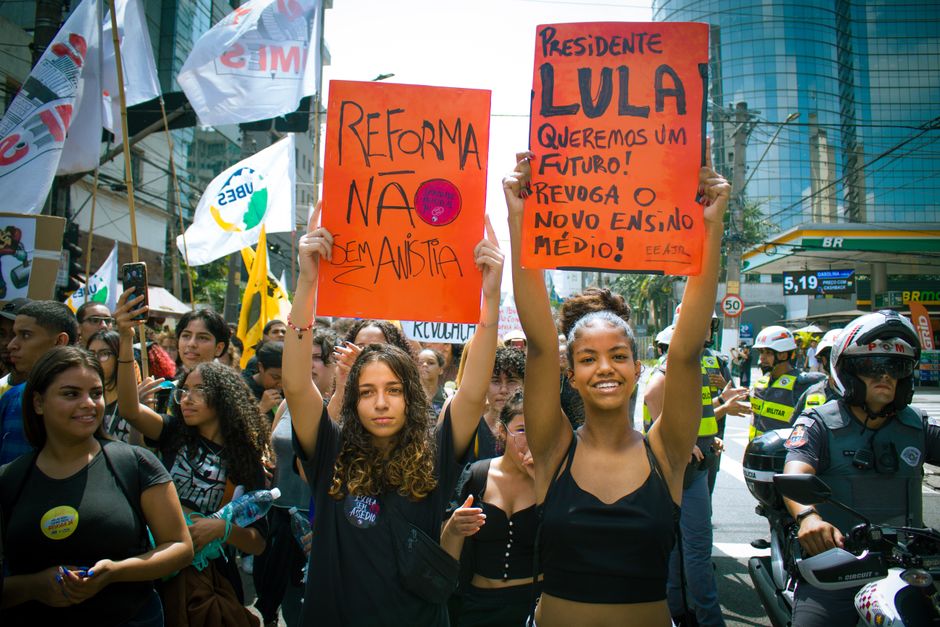
France is currently experiencing a significant rise in school protests, with students rallying for improved educational conditions. These demonstrations have resulted in over 400 arrests, primarily involving minors, as tensions escalated on October 1, 2026. Initially sparked in the Île-de-France region, the protests have rapidly spread across the nation, with students voicing their frustrations over large class sizes, teacher shortages, and deteriorating school facilities.
In response to the unrest, President Emmanuel Macron condemned the violence that has accompanied the protests. He cautioned politicians against legitimizing such actions, acknowledging the anxiety and anger felt by students while emphasizing that violence is not an acceptable means of expression. His comments came amid clashes between students and police, where projectiles were thrown, and law enforcement utilized tear gas to manage the situation. Macron specifically criticized far-left political factions, accusing them of exacerbating tensions and inciting unrest.
Key Issues Driving Student Protests
The protests are centered around several critical issues affecting high school students in France. One of the primary grievances is the overcrowding in classrooms, with many exceeding 30 students. This situation hampers teachers’ ability to provide individualized attention and support, which is crucial for effective learning. Reports indicate that these conditions negatively impact educational outcomes, particularly for students who struggle academically.
Another significant concern is the shortage of qualified teachers in many schools, leading to increased workloads for existing staff and a lack of specialized instruction in essential subjects. Recent government budget cuts to education have further exacerbated this issue, prompting students to demand immediate action from the government. The French Prime Minister has expressed concern that the protests could escalate further and has called for constructive dialogue rather than confrontation.
Additionally, the physical conditions of many schools have come under scrutiny. Reports indicate that some classrooms lack proper ventilation and are ill-equipped to handle extreme weather conditions, such as the recent heatwaves. These factors not only affect student comfort but also hinder their ability to learn effectively. The protests underscore the urgent need for educational reform in France, as students demand that the government address these fundamental issues to ensure their right to quality education.
The protests underscore the urgent need for educational reform in France, as students demand that the government address these fundamental issues to ensure their right to quality education.
Organized Student Activism
As the protests continue, students have become increasingly organized in their demands. Many are leveraging social media platforms to amplify their messages and garner support from peers across different regions. This digital activism has fostered a sense of solidarity among students from diverse backgrounds, highlighting widespread discontent with the current educational system.
Students are sharing their experiences and strategies for protest online, creating a united front that challenges the status quo. This wave of activism reflects a broader trend of young people asserting their rights and demanding accountability from political leaders. The ability of students to mobilize and articulate their concerns signifies a shift in how youth engage with political processes in France.
Government’s Response and Potential Reforms
In light of the protests, the French government has begun outlining potential reforms aimed at addressing the concerns raised by students. Macron’s administration appears willing to engage in dialogue with student representatives, marking a notable shift in the government’s approach to youth activism. This openness suggests a recognition of the need for change, particularly in light of the growing unrest among young people.
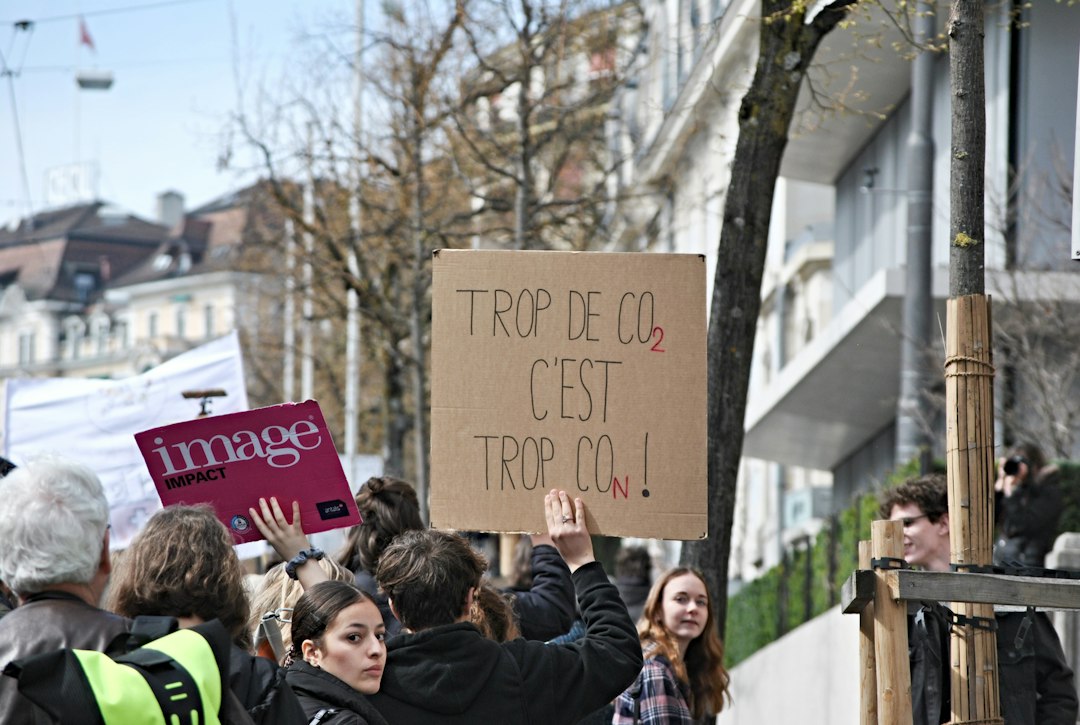
As part of this dialogue, the government may consider revising policies related to education funding and teacher recruitment. Increased investment in education could alleviate issues related to class sizes and teacher shortages, potentially leading to smaller classrooms and more personalized instruction. However, the path to reform is fraught with challenges, as the government faces significant political pressure to balance budget constraints with the need for quality education.
Moreover, the protests have highlighted the role of political parties in shaping education policy. The left-wing France Unbowed party has been accused of encouraging the protests, although its leaders maintain that they advocate for peaceful dialogue. This political dynamic may influence future discussions about educational reforms and the government’s response to student demands.
The outcomes could set important precedents for future education policy in France and redefine the relationship between students and the government.
Implications for Future Education Policy
As the situation evolves, it is crucial to monitor how the government responds to these protests. The outcomes could set important precedents for future education policy in France and redefine the relationship between students and the government. Observers are closely watching the government’s next steps, as they will likely shape educational reform and increase student engagement in political processes.
The current protests signal a growing trend of student activism in France, which is expected to continue influencing educational policy in the coming years. Young people are becoming increasingly aware of their rights and are willing to mobilize for change, not only in education but across various societal issues. The implications of these protests extend beyond the education sector, potentially impacting labor and social policies as well.
Ultimately, the outcome of the current protests will test the government’s commitment to reform and its ability to adapt to the changing landscape of student activism. Observers will be keenly interested in how this situation unfolds and what it means for the future of education and youth engagement in France.

Frequently Asked Questions
What are the main reasons behind the current school protests in France?
The protests are primarily driven by student demands for smaller class sizes, a shortage of teachers, and improved school conditions. Students believe these issues significantly impact their education and overall well-being.
A successful dialogue between students and the government may result in more responsive education policies.
How might the protests affect future education policies in France?
The protests could lead to increased government investment in education and reforms aimed at addressing class sizes and teacher shortages. A successful dialogue between students and the government may result in more responsive education policies.
What actions can high school students take to voice their concerns about educational conditions?
Students can organize peaceful protests, engage in discussions with school administrators, and participate in student councils to express their concerns. Active engagement can help amplify their voices and influence educational policy.
Written by Career Ahead AI. AI can make mistakes, so verify key facts. Report errors to support@careeraheadonline.com.