No products in the cart.

5% Treasury Yield Signals Stock Market Risks

As the US 10-year Treasury yield approaches 5%, analysts are divided on its potential impacts on the stock market. Some warn of increased borrowing costs for businesses and consumers, while others see rising yields as a sign of economic strength.

The US 10-year Treasury yield is nearing 5%, a level not seen in nearly two decades. This rise is attributed to a significant bond market selloff, exacerbated by geopolitical tensions, particularly the ongoing conflict in Iran. As this yield approaches a critical threshold, investors are increasingly concerned about its implications for the stock market and the broader economy.
Analysts hold mixed views on the potential impacts. Some argue that higher yields will lead to increased borrowing costs for both businesses and consumers, potentially squeezing corporate profits and exerting downward pressure on stock prices. Conversely, others interpret rising yields as a sign of economic strength and heightened demand for investments, particularly in sectors such as artificial intelligence (AI) and technology. A report from the Hindustan Times suggests that a 5% yield could indicate a shift in investor sentiment and a reevaluation of risk in the market.
1. Implications of Rising Yields for Equity Valuations
Career Ahead’s analysis indicates that a sustained 5% yield on 10-year Treasuries could significantly alter equity valuations. As borrowing costs rise, companies that rely heavily on debt for growth may experience tighter profit margins. This concern is particularly acute for sectors that thrive on cheap capital, such as technology and real estate.
For instance, firms heavily investing in AI infrastructure might need to scale back their expansion plans as financing becomes more expensive. This could decelerate growth, which markets have been banking on. Furthermore, high stock valuations in the tech sector may become increasingly difficult to justify if companies struggle to maintain growth due to rising costs. The Free Dictionary notes that as yields increase, the cost of capital rises, necessitating a reevaluation of future earnings potential.
2. Changing Dynamics Between Treasury Yields and Stock Dividends
The relationship between Treasury yields and stock dividends is undergoing a transformation. Historically, rising Treasury yields necessitated higher returns from equities to attract investors. Currently, the gap between stock dividend yields and Treasury yields is the widest since the dot-com bubble in 2000, suggesting that investors may begin to question the sustainability of elevated stock prices if yields continue to climb.
This could decelerate growth, which markets have been banking on.
You may also like
 Industry & Global Trends
Cygni Energy, Indus Towers Unite for Telecom Energy Storage
Cygni Energy and Indus Towers have signed a Memorandum of Understanding to develop energy storage solutions for telecom infrastructure, marking a significant step towards sustainability…
Read More →If yields rise significantly, investors may prefer the safety of bonds over the volatility associated with stocks, potentially triggering a sell-off in equities. This shift could have profound implications for investment strategies, particularly for those focused on growth stocks that may not offer substantial dividends. Understanding this evolving landscape is crucial for investors aiming to navigate the complexities of market dynamics.
3. Shifts in Investment Strategies for Retail Investors
The anticipated rise in the 10-year Treasury yield to 5% is prompting many retail investors to reassess their investment strategies. Traditionally, lower yields have encouraged a focus on equities as the primary growth avenue. However, with higher yields on the horizon, bonds may become more attractive, leading to a significant shift in capital allocation.
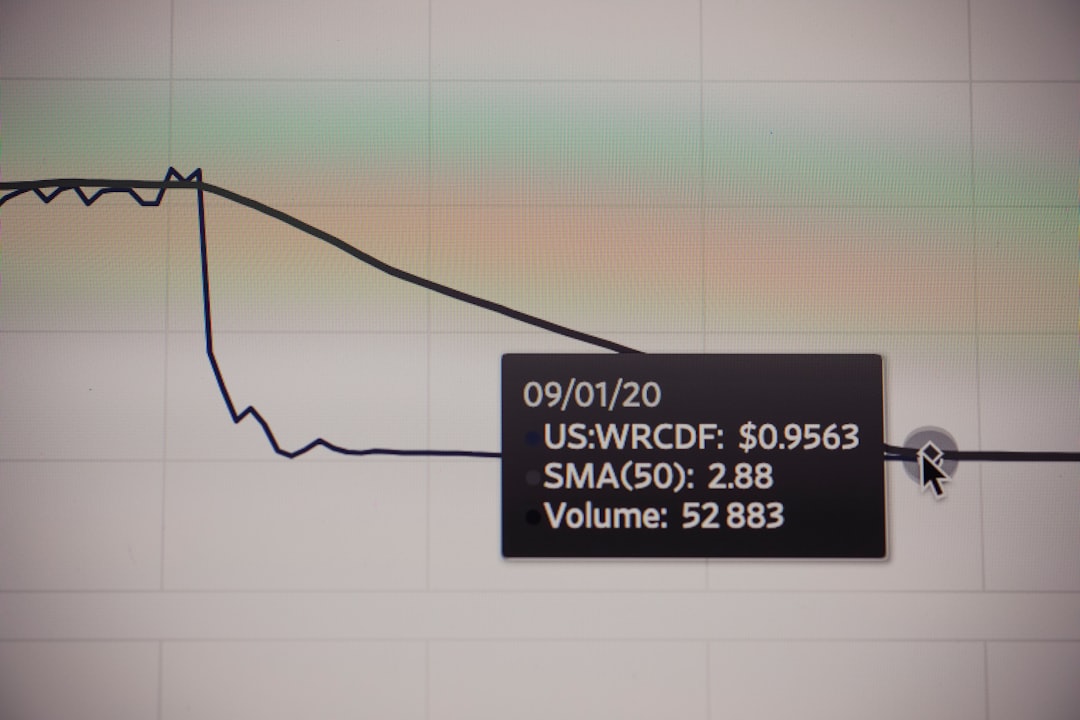
As Treasury yields increase, retail investors might discover that fixed-income securities offer better returns compared to stocks. This potential reallocation of assets could result in more funds flowing into bonds and out of equities, exerting downward pressure on stock prices, especially for companies lacking strong growth prospects. Financial advisors emphasize the importance of understanding these shifts in market dynamics, as they can greatly influence portfolio performance.
4. The Role of Financial Advisors in Portfolio Diversification
In light of rising Treasury yields, financial advisors are recommending that clients diversify their portfolios to mitigate risks associated with increasing interest rates. Increasing exposure to bonds could help buffer against potential losses in equities. Advisors also suggest closely examining sector allocations, as certain sectors may be more susceptible to the effects of rising yields.
For example, sectors like utilities and consumer staples, which typically offer stable dividends, may become less appealing if Treasury yields rise significantly. Conversely, sectors less dependent on debt financing, such as technology and healthcare, may be better positioned to navigate these challenges. Understanding these dynamics will be vital for retail investors as they adapt to the evolving market landscape.
Monitoring Economic Indicators and Future Developments As the US 10-year Treasury yield approaches 5%, the market will closely monitor several economic indicators that could influence future developments.
5. Monitoring Economic Indicators and Future Developments
You may also like
 Industry & Global Trends
BT Expands Reach with TalkTalk Acquisition
The acquisition is seen as a strategic necessity for BT, allowing it to consolidate its position in a market that has seen increasing pressure from…
Read More →As the US 10-year Treasury yield approaches 5%, the market will closely monitor several economic indicators that could influence future developments. Key metrics such as inflation rates, employment data, and consumer spending will play a critical role in shaping investor sentiment and market dynamics. If inflation continues to rise, the Federal Reserve may need to adopt a more aggressive approach to interest rates, further impacting Treasury yields and stock valuations.

On the other hand, if economic growth remains robust, it could support higher stock prices, particularly if corporate earnings exceed expectations. Moreover, ongoing investment in AI and technology infrastructure could help mitigate the adverse effects of rising yields. If companies can leverage technological advancements to enhance efficiency and profitability, they may sustain their growth even in a higher interest rate environment. In conclusion, the relationship between Treasury yields and stock market performance is multifaceted, and as investors navigate this uncertain landscape, the coming months will be pivotal in determining whether rising yields will necessitate a reevaluation of stock valuations or if the economy’s strength can sustain continued growth.

Frequently Asked Questions
What sectors are most affected by rising Treasury yields?
Career Ahead’s analysis shows that sectors heavily reliant on debt financing, like utilities and real estate, are most vulnerable to rising Treasury yields. These sectors may face increased borrowing costs, which could pressure their profitability.
Career Ahead’s analysis shows that sectors heavily reliant on debt financing, like utilities and real estate, are most vulnerable to rising Treasury yields.
How should financial advisors adjust portfolios if yields hit 5%?
Financial advisors should consider increasing exposure to fixed-income securities and reassessing sector allocations. Diversification strategies may help reduce risks associated with rising interest rates.
What strategies can investment analysts employ to mitigate risks from rising interest rates?
Investment analysts can focus on sectors less reliant on debt and those with strong cash flows. They should also monitor economic indicators closely to adjust their recommendations based on changing market conditions.
You may also like
 Industry & Global Trends
Mergers Reshape Automation Careers at Schneider Electric
Schneider Electric's aggressive investments in automation are reshaping the industry landscape in Europe. This shift is set to create significant job opportunities for automation engineers…
Read More →