No products in the cart.

63% of Pakistan’s Youth Never Went to School: A Crisis Unfolding
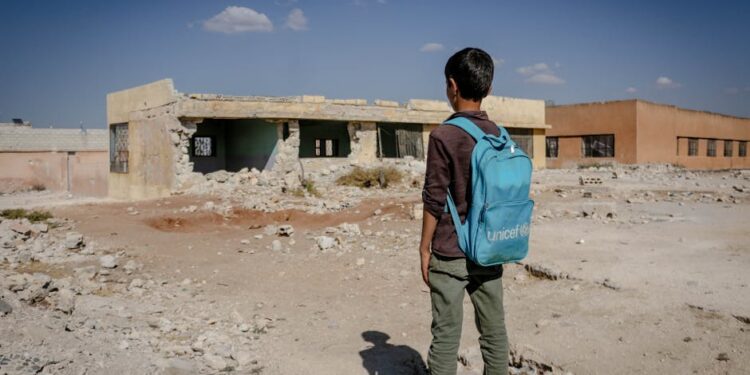
A shocking 63% of Pakistan's youth have never attended school. This crisis calls for urgent action and awareness to address the educational needs of millions.

Islamabad, Pakistan — A staggering 63% of Pakistan’s youth population has never received any formal education, according to the latest Census 2023 data. This alarming statistic highlights a profound educational crisis that threatens the future of millions of young people in the country. The implications of this crisis are far-reaching, affecting not only individual lives but also the socio-economic fabric of the nation.
The data reveals that 23% of adolescents in Pakistan are classified as out-of-school youth, often referred to as OOSAY. This demographic is among the most marginalized groups in terms of policy planning and resource allocation. The situation is particularly dire for young women, with nearly three out of four females aged 15 to 29 having never enrolled in school. In contrast, around half of their male counterparts face similar circumstances.
This educational gap is not merely a statistic; it reflects systemic issues that perpetuate cycles of poverty and exclusion. According to a recent needs assessment by the Sustainable Development Policy Institute in collaboration with UNFPA, financial hardship is the primary barrier preventing young people from accessing education. Nearly three-quarters of respondents cited economic constraints as a reason for their inability to attend school.
The Gender Divide in Education
The disparity in educational access is stark between genders. While boys are often pushed into early labor to support their families, girls face additional societal pressures. Many girls are burdened with unpaid domestic responsibilities, leaving them little time for education or paid work. The study found that over 85% of female OOSAY spend most of their day performing household chores. This reality restricts their opportunities for education and employment, perpetuating a cycle of poverty.
According to a recent needs assessment by the Sustainable Development Policy Institute in collaboration with UNFPA, financial hardship is the primary barrier preventing young people from accessing education.
Furthermore, the prevalence of early marriage exacerbates this issue. The median marriage age for girls in the study was found to be just 18 years. Early marriage limits girls’ educational prospects and often leads to a lifetime of dependency. The lack of education not only affects their immediate opportunities but also has long-term implications for their health and well-being.
The consequences of being out of school extend beyond education. Many OOSAY suffer from health issues such as malnutrition, chronic pain, and mental health challenges. However, they often lack access to proper healthcare due to financial constraints, mobility issues, and a lack of awareness about available services. These health outcomes further hinder their ability to participate in the workforce and contribute to society.
You may also like
 Education & University Insights
Funding Cuts Threaten American University of Afghanistan
The American University of Afghanistan faces imminent closure due to severe funding cuts, reflecting broader trends in higher education funding crises, especially in conflict zones.…
Read More →Implications for the Workforce and Society
The educational crisis in Pakistan has significant implications for the workforce. Nearly three-quarters of OOSAY reported having no access to paid work, with the majority of those who do work employed in unstable and informal jobs. Many earn less than Rs25,000 a month despite working long hours, often relying on daily wages with no job security or safety measures.
The lack of education is a barrier to decent employment opportunities. Many OOSAY have not participated in any vocational or skills training programs, with over 90% reporting they had never joined such initiatives. This absence of skills training limits their employability and perpetuates the cycle of poverty.
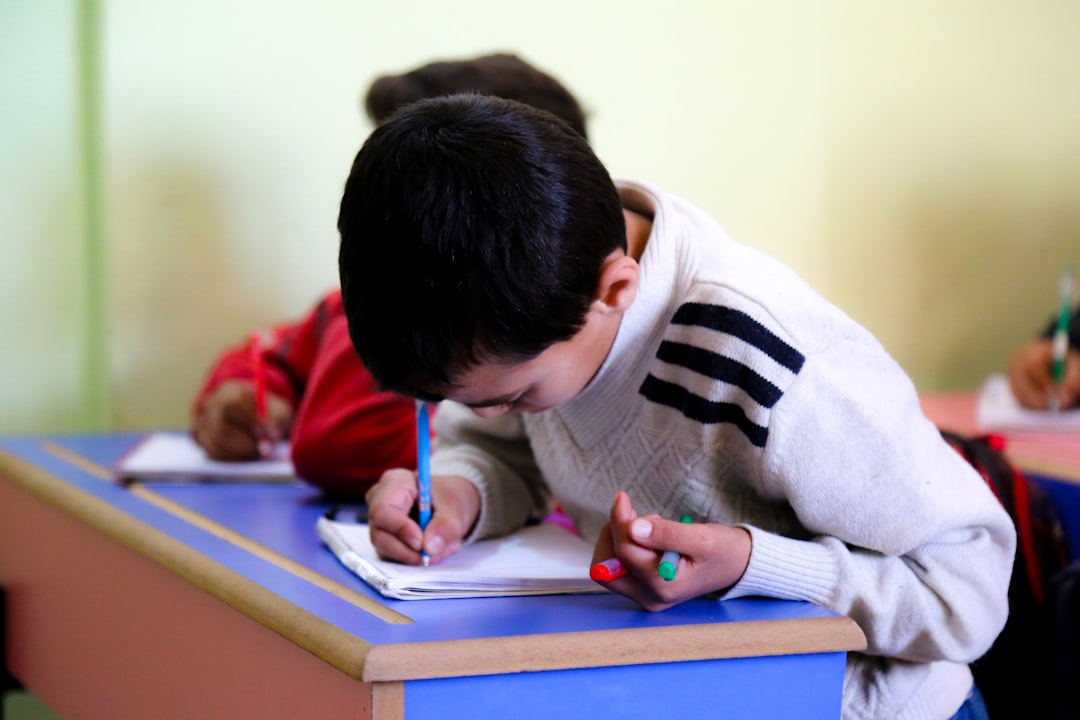
Addressing this crisis requires urgent action from the government, NGOs, and the private sector. Initiatives must focus on creating accessible educational opportunities, particularly for girls. This includes establishing more schools in rural areas, providing financial support to families, and promoting awareness about the importance of education for both genders.
- Advocate for Policy Change: Engage with local leaders to push for educational reforms that prioritize access for marginalized youth.
- Support Community Programs: Contribute to or volunteer with organizations that provide educational resources and support for out-of-school youth.
- Raise Awareness: Use social media platforms to highlight the educational crisis in Pakistan and encourage discussions about solutions.
However, experts warn that addressing these educational disparities is not simply a matter of increasing funding or building more schools. A recent report from the World Bank emphasizes that long-term solutions must also include changing societal attitudes towards education, particularly for girls. Without tackling the cultural norms that inhibit educational access, efforts may yield limited results.
Implications for the Workforce and Society The educational crisis in Pakistan has significant implications for the workforce.
Building a Future with Education
The future of Pakistan’s youth hinges on addressing this educational crisis. As the country grapples with these challenges, there is a growing recognition of the need for comprehensive strategies that prioritize education as a fundamental right. The potential for social and economic development is immense if these barriers can be dismantled.
You may also like
 Education & University Insights
AI-Powered Study Aid for High School Students
ChatGPT for Teens is revolutionizing how high school students study by providing tools that enhance learning without doing the homework for them. This innovative feature…
Read More →What steps will you take to support educational initiatives in your community and advocate for the rights of out-of-school youth? The time to act is now, and your involvement could make a significant difference.