No products in the cart.

Transform Your Apple Watch into a Productivity Powerhouse

Discover how the Apple Watch is reshaping workplace productivity and work-life balance. Explore the benefits and challenges of using wearables for task management.

“`html
The Rise of the Digital Taskmaster
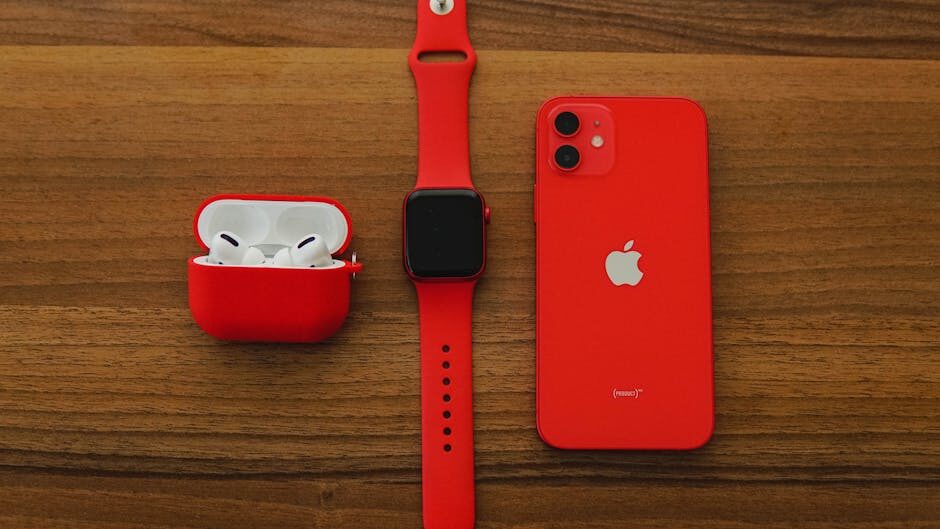
Since its launch in 2015, the Apple Watch has evolved from a fitness tracker to a powerful work tool. With over 100 million units sold globally, it has become essential in many workplaces.
This shift is driven by a surge in task-management apps designed for the watch’s small screen. Apps like Todoist, Trello, and the now-retired Wunderlist let users view to-do lists, mark tasks as complete, and receive reminders without needing a laptop. A simple tap can turn a task from “pending” to “done” before meetings start.
The watch’s biometric sensors also play a role in productivity. A New York Times report cited a UCLA study showing that monitoring heart-rate variability (HRV) can boost cognitive performance by 22 percent. When HRV indicates a relaxed yet alert state, the brain processes information more effectively. Employers are starting to use this data to encourage employees to schedule focused work during their peak performance times.
How Apple Watch Is Reshaping Work-Life Balance
The Blurred Lines of Work and Life
The convenience of a wrist-based to-do list blurs the line between work and home. Notifications that once waited for a desktop now buzz on the wrist as soon as a calendar event is created. For many, the watch is the first—and sometimes only—link to work after hours. This raises a dilemma: while productivity may increase, the separation between work and personal time diminishes.
Employers are starting to use this data to encourage employees to schedule focused work during their peak performance times.
Impact on Employee Productivity
You may also like
 Entrepreneurship & Business
ESG‑Driven Value: How Corporate Social Responsibility Reshapes Shareholder Returns
Sustainability‑Capital Realignment in Global Markets Since the 2010s, institutional investors have re‑engineered portfolio construction around environmental…
Read More →A survey by the Society for Human Resource management, referenced in a MSN article, found that employees using wearables reported a 15 percent increase in productivity. This boost results from three key factors:
- Micro-interrupt management: Quick glances reduce disruptive phone checks.
- Physiological feedback loops: HRV alerts help users find optimal focus times.
- Integrated scheduling: Calendar reminders keep meetings and deadlines in mind.
However, some respondents reported feeling “always-on” pressure, leading to fatigue from constant alerts.
The Need for Boundaries
Organizations promoting the Apple Watch for productivity must also address its potential to intrude. Experts suggest setting “quiet windows” to silence notifications, similar to “do not disturb” modes on smartphones. Some innovative companies even mute work alerts after 7 p.m., helping employees reclaim their evenings for rest or family time.
The Future of Productivity: Are We Ready?
The Rise of the Digital Taskmaster
Looking ahead, the Apple Watch could become a “digital taskmaster” that not only reminds but also predicts. AI models analyzing HRV trends, calendar density, and ambient noise could suggest when to take breaks, switch tasks, or delegate work. While this technology offers a personalized workflow, it may also create a sense of being monitored by algorithms as much as by managers.
The Need for Institutional Support To balance the benefits of wearables with the risks of stress, companies should implement supportive policies.
The Impact on Employee Well-Being
Ongoing performance tracking can have psychological effects. The American Psychological Association warns that constant work-related stress leads to burnout and decreased job satisfaction. Although their 2019 report doesn’t mention wearables, its findings apply: excessive monitoring—whether by a manager or a device—can trigger stress. While HRV alerts can help individuals manage stress, they risk turning every physiological change into a work metric.
You may also like
 Career Guidance
Festival Frontlines: How Music Events Rewire Career Capital and Social Power
By institutionalizing equity metrics, impact‑first sponsorships, and dedicated advocacy roles, music festivals are reshaping the distribution of career capital and embedding social justice into the…
Read More →The Need for Institutional Support
To balance the benefits of wearables with the risks of stress, companies should implement supportive policies. Practical steps include:

- Transparent data use policies: Employees should understand how their biometric data is used and who can access it.
- Well-being dashboards: Aggregate dashboards can show trends without singling out individuals.
- Training on digital boundaries: Workshops can teach employees to manage notifications and interpret biometric feedback responsibly.
When organizations view the watch as a partnership tool rather than a surveillance device, productivity gains can be sustainable.
Strategic Perspective
The future of wearable technology suggests that the digital taskmaster will become more influential. As Apple enhances its health sensors and expands third-party integrations, the watch may evolve from a simple reminder to a central hub for performance analytics. Companies that adapt early by creating policies that protect employee autonomy and use data to enhance work will lead a humane productivity revolution.
Strategic Perspective The future of wearable technology suggests that the digital taskmaster will become more influential.
Ultimately, the Apple Watch is more than just a timepiece; it reflects how we allocate our attention, energy, and intention. The key question is not whether the watch can boost productivity, but whether we will let it define productivity on our own terms.
You may also like
 AI & Technology
Hydrogen Takes Flight: Liquid Fuel Cells Edge Closer to Commercial Jets
Liquid‑hydrogen fuel cells are moving from lab benches to runway tests, promising a near‑term route to cut aviation’s carbon footprint. Recent breakthroughs, backed by industry…
Read More →<img width="1024" height="684" src="https://careeraheadonline.com/wp-content/uploads/2026/03/FZVu2JI0VeY-1-1024×684.jpg" class="oaa-inline-image" alt="" style="display:block; margin:20px auto; max-width:100%; height:auto; border-radius:8px;" decoding="async" srcset="https://careeraheadonline.com/wp-content/uploads/2026/03/FZVu2JI0VeY-1-1024×684.jpg 1024w, https://careeraheadonline.com/wp-content/uploads/2026/03/FZVu2JI0VeY-1-300×200.jpg 300w, https://careeraheadonline.com/wp-content/uploads/2026/03/FZVu2JI0VeY-1-768×513.jpg 768w, https://careeraheadonline.com/wp-content/uploads/2026/03/FZVu2JI0VeY-1-750×501.jpg 750w, https://careeraheadonline.com/wp-content/uploads/2026/03/FZVu2JI0VeY-1-600×401.jpg 600w, https://careeraheadonline.com/wp-content/uploads/2026/03/FZVu2JI0VeY-1.jpg 1080w" sizes="(max-width: 1024px)