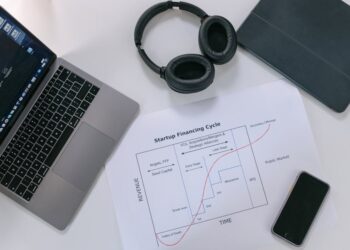
Kevin Warsh's anticipated confirmation as Fed Chair could reshape U.S. monetary policy, emphasizing inflation control and economic stability. His leadership style and vision are crucial for future economic strategies.
Washington, U.S. — The Federal Reserve is at a pivotal moment as Kevin Warsh awaits confirmation as its next Chair. His appointment comes amid persistent inflation and significant concerns about economic stability. Warsh’s vision for the Fed could notably change its approach to monetary policy, particularly in managing inflation and fostering economic growth.
During a recent Senate confirmation hearing, Warsh articulated his strategy for the Fed, advocating for a narrower focus on core economic issues. He aims to reform the Fed’s inflation framework, a topic that has sparked considerable debate among economists and policymakers. This proposed shift suggests a potential change in how the Fed addresses inflationary pressures, which have been intensified by global events, including ongoing conflicts and supply chain disruptions.
Warsh’s confirmation is expected to usher in a more traditional approach to monetary policy. He supports establishing clear guidelines that prioritize inflation control over other economic factors, which could lead to a more aggressive stance on interest rates—an action many analysts believe is necessary to combat rising prices.
Potential Changes Under Warsh’s Leadership
Warsh’s leadership could redefine the Fed’s role in the economy. His confirmation aligns with a growing sentiment among lawmakers and economists that the Fed must take a more proactive stance in managing inflation. Chairman Scott has endorsed Warsh’s nomination, emphasizing his experience and dedication to restoring the Fed’s credibility in inflation management.
If confirmed, Warsh may advocate for higher interest rates sooner than anticipated, a move that could temper the current economic expansion but also risk pushing the economy into recession. This balancing act will be crucial as the Fed navigates the complexities of a post-pandemic recovery.
This balancing act will be crucial as the Fed navigates the complexities of a post-pandemic recovery.
Moreover, Warsh’s approach may reshape the Fed’s relationship with financial institutions. His emphasis on transparency and accountability could lead to stricter regulations, affecting how banks operate and manage risk. While this shift could promote a more stable financial environment, it may also hinder innovation within the banking sector.
Warsh’s Economic Philosophy and Challenges
Kevin Warsh’s economic philosophy advocates a return to fundamentals, emphasizing the Fed’s dual mandate of maximum employment and stable prices, with a renewed focus on inflation control. This perspective aligns with traditional economic theories that support a strong, independent central bank capable of making tough decisions for long-term stability.
Quiet quitting is emerging as a systemic recalibration of employee effort, driven by burnout and perceived reward gaps, that reshapes productivity, innovation, and the distribution…
His confirmation hearing showcased a commitment to a disciplined approach to monetary policy. Critics argue that a singular focus on inflation might overlook other vital economic indicators, such as employment rates and wage growth. This tension underscores the challenges the Fed faces in balancing multiple economic objectives while maintaining public trust.
Warsh’s past experience as a Fed governor provides him with unique insights into the complexities of monetary policy. He understands the delicate interplay between interest rates, inflation, and economic growth, and his leadership may herald a new era of Fed policy that prioritizes data-driven decision-making, potentially leading to more predictable economic outcomes.
Warsh’s approach to these challenges will be critical in determining the Fed’s effectiveness in fostering economic recovery.
Geopolitical and Economic Pressures
The Federal Reserve faces substantial challenges as it prepares for Warsh’s potential leadership. The ongoing war in Iran has unsettled energy markets, contributing to inflationary pressures that complicate monetary policy. Geopolitical tensions could lead to further volatility in oil prices, impacting the broader economy.
Additionally, the Fed must address the lingering effects of the COVID-19 pandemic, which has left lasting impacts on the labor market and supply chains. Warsh’s approach to these challenges will be critical in determining the Fed’s effectiveness in fostering economic recovery. Aggressive rate hikes could slow growth, while inaction may exacerbate inflation.
Furthermore, the Fed’s credibility is at stake. With rising inflation rates, public confidence in the Fed’s ability to manage the economy is diminishing. Warsh’s leadership style must reassure markets and the public that the Fed is committed to its mandate and capable of adapting to changing economic conditions.
Public Trust and Political Dynamics
Public perception of the Federal Reserve significantly influences its effectiveness. Warsh’s confirmation arrives at a time when many Americans are feeling the impact of rising prices. His ability to communicate the Fed’s policies clearly and effectively will be essential in restoring trust in the institution.
The University of Birmingham has announced a new Future Skills Scholarship offering up to £12,500 for Indian students pursuing select Masters programmes in the UK…
Political pressure also looms large as Warsh prepares to assume leadership.
Political pressure also looms large as Warsh prepares to assume leadership. While the Fed operates independently, it is not immune to political influence. As inflation remains a contentious issue, lawmakers will closely scrutinize Warsh’s decisions, potentially affecting his ability to implement necessary policies.
Warsh’s confirmation could foster a more contentious relationship between the Fed and Congress. If his policies do not align with lawmakers’ expectations, it could lead to increased political friction, complicating the Fed’s ability to operate independently.
Implications for Everyday Americans
The outcome of Warsh’s confirmation and his subsequent policies will have far-reaching implications for economic conditions that affect everyone. From job growth to inflation rates, the Fed’s decisions shape daily life. Understanding these changes can help individuals and businesses navigate the evolving economic landscape.



 Career Guidance
Education & University Insights