No products in the cart.

Bank of England Signals Possible Rate Hike Amid Rising Inflation

The Bank of England is considering interest rate hikes as inflation rises, driven by the conflict in Iran and soaring oil prices. This situation has implications for consumer costs and the broader UK economy, with potential global repercussions.

Inflation Pressures Mount in the UK
The Bank of England has indicated that it may raise interest rates as inflation continues to rise, largely fueled by the ongoing conflict in Iran. As of April 2026, inflation in the UK has reached 3.3%, moving further away from the Bank’s target of 2%. This situation is exacerbated by a significant spike in oil prices, which hit $126 a barrel, the highest in four years, following reports of potential US military actions in the region.
Governor Andrew Bailey stated that the war in the Middle East poses a serious risk to the UK economy and that the Bank will act decisively if oil prices remain elevated. The Monetary Policy Committee voted to keep interest rates at 3.75% but acknowledged the possibility of future hikes if inflationary pressures persist. This decision reflects a cautious approach as the committee assesses the full impact of the conflict on the UK economy.
Consumer Costs and Mortgage Implications
The rising inflation is already affecting consumer costs significantly. Motorists are feeling the pinch as petrol and diesel prices increase, directly linked to the soaring oil prices. Additionally, the government has warned of potential hikes in energy, food, and travel costs as a result of the war. These increases could strain household budgets, particularly for families already grappling with high living expenses.
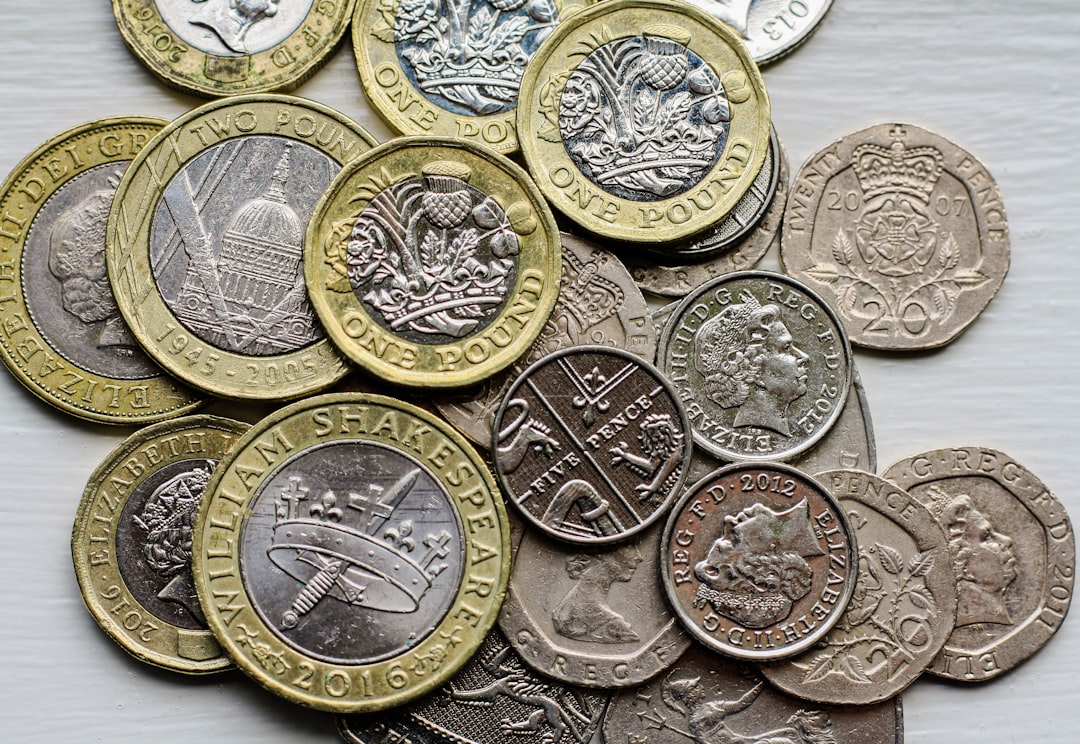
Moreover, the Bank of England’s report suggests that homeowners refinancing their mortgages will face higher payments. The average monthly payment for those moving to a new deal is expected to rise by about £80, impacting over half of mortgage holders in the UK. This situation could lead to a ripple effect, where increased costs for housing further burden consumers and slow down economic growth.
This situation could lead to a ripple effect, where increased costs for housing further burden consumers and slow down economic growth.
Global Oil Market Dynamics
The conflict in Iran has significant implications for the global oil market. As tensions rise, oil prices have reacted sharply, impacting not just the UK but economies worldwide. The Bank of England’s analysis indicates that if oil prices remain above $120 a barrel, the likelihood of interest rate hikes increases. This situation highlights the interconnectedness of global markets, where geopolitical events can have immediate economic repercussions.
You may also like
 Industry & Global Trends
Cygni Energy, Indus Towers Unite for Telecom Energy Storage
Cygni Energy and Indus Towers have signed a Memorandum of Understanding to develop energy storage solutions for telecom infrastructure, marking a significant step towards sustainability…
Read More →Additionally, the uncertainty surrounding the Iran conflict complicates predictions for both oil prices and inflation. The Bank’s chief economist, Huw Pill, has suggested that even with a modest rise in rates, the UK could still face persistent inflationary pressures if oil prices do not stabilize. This uncertainty can lead to volatility in financial markets, affecting investor confidence and spending decisions.
Political Reactions and Economic Policy
The political landscape in the UK is also reacting to the Bank of England’s decisions. Chancellor Rachel Reeves has emphasized the need for careful economic management in light of rising costs due to the Iran war. She stated that every decision made would focus on keeping costs down for families and businesses, highlighting the government’s commitment to navigating these challenging times.
However, opposition voices have criticized the government’s handling of the economy. Shadow Chancellor Mel Stride pointed to existing vulnerabilities within the UK economy, suggesting that the current inflation crisis is a result of past policy decisions. He argues that the government must take responsibility for the economic challenges facing the country, particularly as the conflict in Iran exacerbates these issues.

Implications for Future Economic Stability
The outlook for the UK economy remains uncertain as inflationary pressures persist. The Bank of England is tasked with a difficult balancing act: controlling inflation while fostering economic growth. The potential for interest rate hikes looms large, but the timing and extent of these changes will depend heavily on external factors, particularly the situation in Iran.
Chancellor Rachel Reeves has emphasized the need for careful economic management in light of rising costs due to the Iran war.
As the Bank weighs its options, it must also consider the broader implications of its decisions on consumer confidence and spending. If consumers perceive that rates will rise, it may lead to reduced spending and increased savings, further slowing economic growth. This behavioral shift could create a feedback loop that complicates the Bank’s efforts to stabilize the economy.
In the coming months, the uncertain trajectory of oil prices and the ongoing conflict in Iran will likely dictate the Bank’s monetary policy decisions. Economic indicators will provide clearer signals on whether the Bank can achieve its inflation targets without derailing growth.
You may also like
 Entrepreneurship & Business
Marico Boosts Plix Stake to 84.09%; Q2 Revenue Surge Ahead
Marico has increased its stake in Satiya Nutraceuticals to 84.09%, a strategic move expected to enhance revenue growth amid rising consumer demand for health-focused products.…
Read More →