No products in the cart.

Homeowners turn to solar panels as oil prices rise
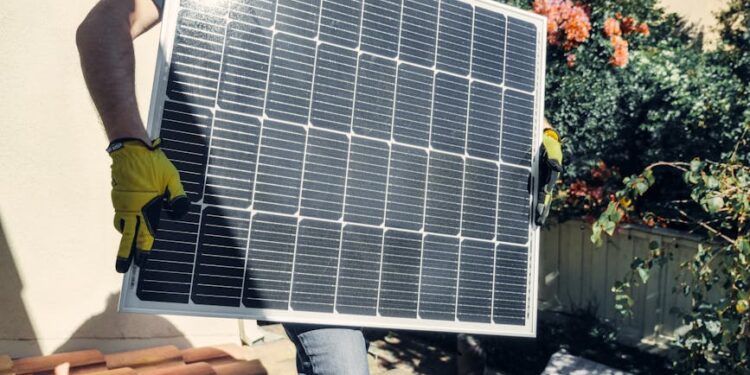
As oil prices surge due to geopolitical tensions, homeowners in Yorkshire are increasingly investing in solar panels, with a reported 50% increase in sales. This shift reflects a growing desire for energy independence and cost savings.

Surge in Solar Panel Interest
Yorkshire, UK — Homeowners are increasingly investing in solar panels as oil prices rise sharply due to geopolitical tensions. Reports indicate a staggering 50% increase in solar panel sales, driven by consumers seeking energy independence and cost savings. Mark Houldsworth, managing director of Solar Plus Yorkshire Ltd, noted a dramatic rise in inquiries, stating, “We normally get 15 inquiries a month, but we’ve had around 150 so far in April.” This trend is not just localized; it reflects a growing global shift towards renewable energy sources as traditional fuel costs escalate.
The rising cost of crude oil, exacerbated by the ongoing conflict in the Middle East, has made homeowners reconsider their energy sources. The closure of the Strait of Hormuz, a crucial route for oil and gas supplies, has intensified concerns over energy security. This situation has pushed many to seek alternatives, with solar energy emerging as a viable solution. Gavin Andrews from Leeds Solar echoed this sentiment, stating they have seen double the inquiries compared to the same period last year.
Economic Factors Driving Change
The economic landscape is shifting rapidly as energy prices soar. With the cost of oil reaching new heights, households are looking for ways to mitigate their energy expenses. According to ConsumerAffairs, the average cost of solar panel installation can vary significantly, but many homeowners find the long-term savings appealing. The initial investment in solar technology is increasingly seen as a way to protect oneself from future price hikes in fossil fuels.
Additionally, many consumers are motivated by the desire to reduce their carbon footprint. The dual benefit of saving money while contributing to a greener planet resonates with environmentally conscious homeowners. As energy prices fluctuate, the allure of solar energy becomes even more pronounced, prompting a shift in purchasing behavior.
The initial investment in solar technology is increasingly seen as a way to protect oneself from future price hikes in fossil fuels.
Geopolitical Tensions and Energy Independence
Geopolitical events have a profound impact on energy markets. The current conflict involving Iran has raised alarms about oil supply stability, prompting homeowners to seek alternatives. Many individuals feel a sense of helplessness regarding global events but recognize that they can control their energy consumption at home. Chris Simpson, a homeowner, expressed this sentiment, stating, “All of these geopolitical events are well outside of what I can control, but I can control what my house does.”
You may also like
 Government & Policy
BT Expands Reach with TalkTalk Acquisition
The acquisition is seen as a strategic necessity for BT, allowing it to consolidate its position in a market that has seen increasing pressure from…
Read More →This desire for control over energy resources is fueling the solar panel market. As homeowners become more aware of their options, they are likely to drive demand for solar technology further. The increased inquiries and installations indicate a significant shift in consumer attitudes toward energy independence.
Solar Panel Installation: Costs and Benefits
According to solar-estimate.org, conducting a feasibility survey is crucial for homeowners considering solar energy. This step ensures they understand the potential costs and benefits before making a decision. The cost of solar panel installation varies, but with the rising cost of traditional energy sources, more homeowners find it an attractive option.
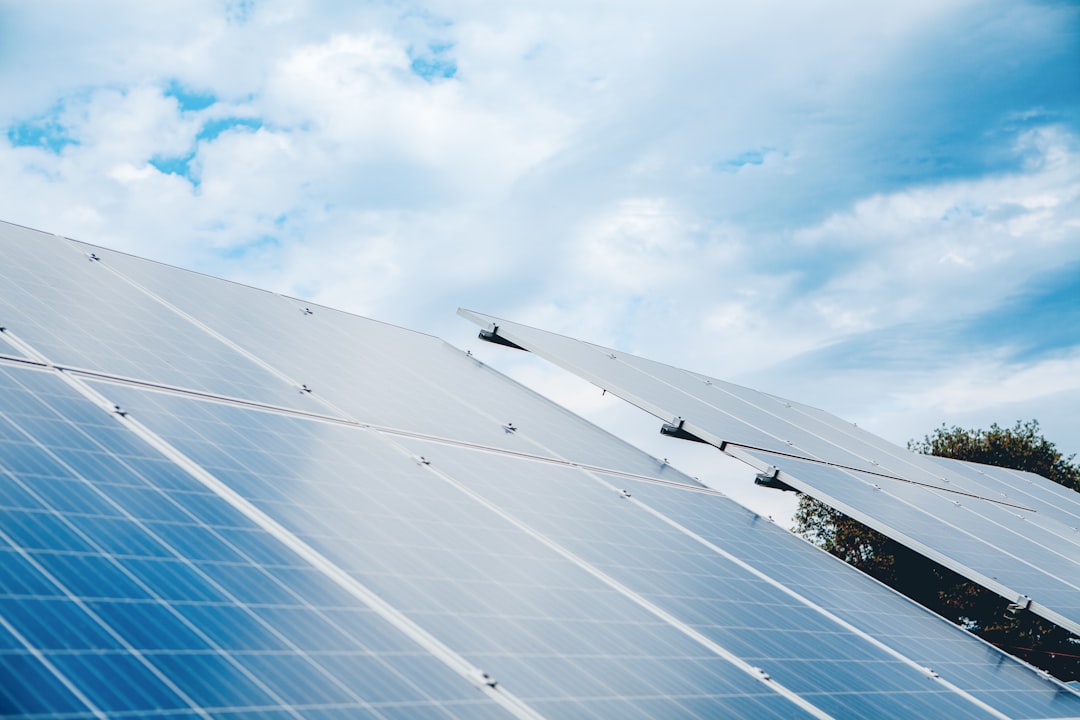
Mark Houldsworth also mentioned that potential delays in solar panel shipments could dampen the current surge in interest. Most solar panels are manufactured in China, and any geopolitical tensions could impact availability. However, the trend indicates a robust demand that could lead to increased investments in renewable technologies and infrastructure, ultimately reshaping the energy landscape.
Implications for the Energy Sector
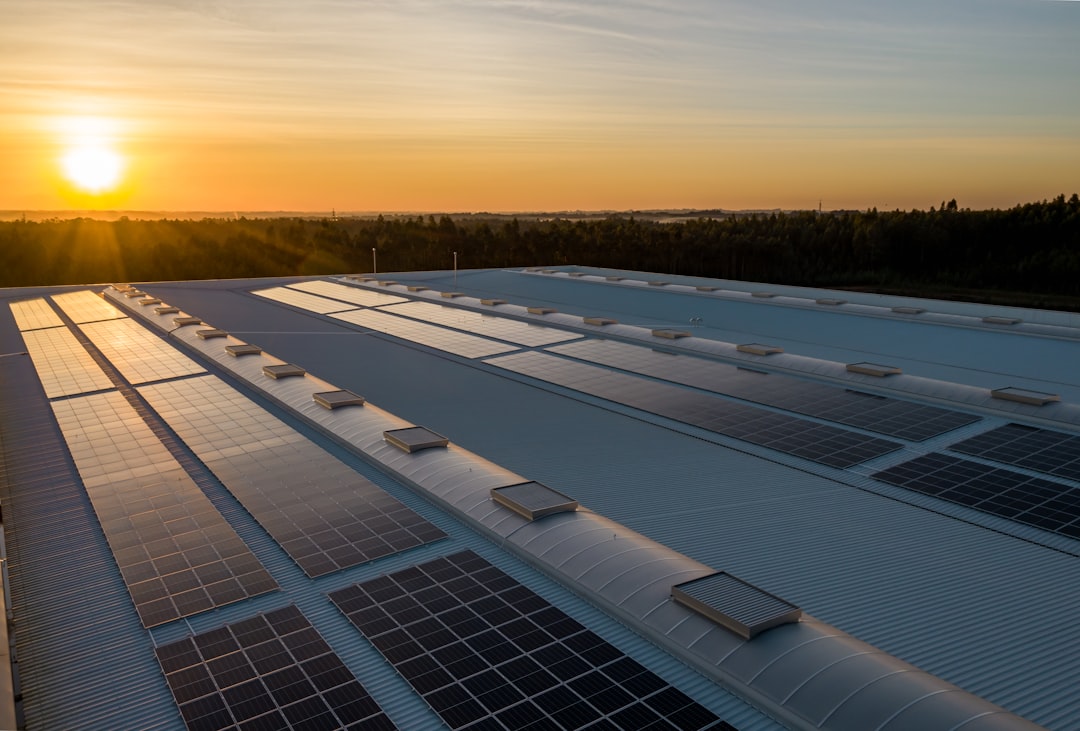
The increasing adoption of solar energy has broader implications for the energy sector. As more homeowners turn to renewable sources, traditional energy providers may need to adapt to changing consumer preferences. This shift could lead to increased investments in renewable technologies and infrastructure, ultimately reshaping the energy landscape.
Solar Panel Installation: Costs and Benefits According to solar-estimate.org, conducting a feasibility survey is crucial for homeowners considering solar energy.
Moreover, government policies may evolve in response to this growing trend. Incentives for solar energy adoption could become more prevalent, encouraging further investment in renewable technologies. As the market shifts, we may see a greater emphasis on sustainability and environmental responsibility within energy policies.
Sources: Solar-estimate, Freyrenergy, Consumeraffairs.
You may also like
 Government & Policy
MSMEs Demand Action on Rising Steel and Metal Prices
Rising material costs have been a persistent issue for MSMEs, which are already grappling with higher prices for diesel, furnace oil, and LPG.
Read More →