Luxury jewelry’s pivot from rarity-driven valuation to sustainability-anchored heirloom capital reflects a structural shift in how brands marshal economic mobility, talent pipelines, and institutional power.
Reframing Luxury: The Sustainability Imperative
The luxury jewelry market is confronting a consumer-driven redefinition of value. A 2024 Deloitte survey found that 68% of high-net-worth buyers consider a brand’s carbon footprint a decisive purchase factor, up from 42% in 2020. This trend aligns with Lombard Odier’s analysis that “rarity, resilience, and long-term value” now constitute the triad of modern luxury [1].
Historically, luxury’s legitimacy derived from scarcity—precious metals, mined diamonds, and exclusive ateliers. The post-World-War-II era, however, introduced the “democratization of luxury” through mass-produced accessories, prompting a later “ethical turn” in the 1990s when NGOs exposed conflict diamonds. The current sustainability wave is deeper: it integrates circularity, traceability, and emotional durability into the product’s DNA.
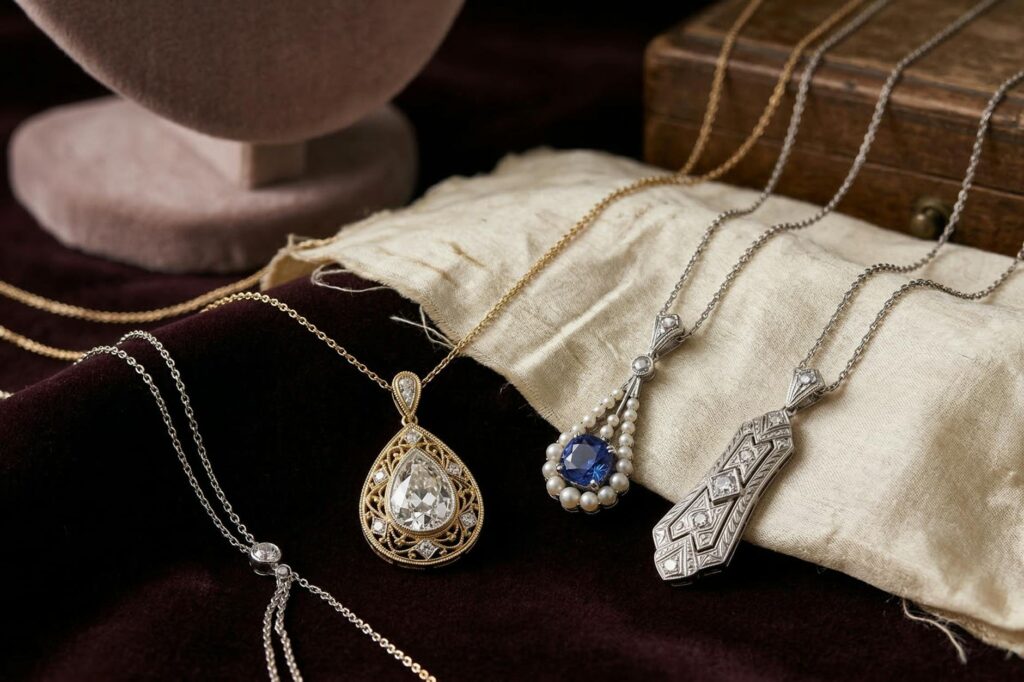
Heirloom jewelry epitomizes this evolution. Once valued primarily for material worth, inherited pieces now generate “Heirloom Capital”—a quantifiable blend of sentimental equity and brand narrative that can be leveraged in equity assessments and talent recruitment [2]. The shift is measurable: the resale market for pre-owned fine jewelry grew in 2025, driven largely by upcycled heirloom offerings that promise both environmental stewardship and intergenerational storytelling.
Materiality and Meaning: The Heirloom Mechanism
Heirloom Capital Reimagined: How Sustainable Practices Are Reshaping Luxury Jewelry’s Institutional Core
The core mechanism reshaping luxury jewelry is the reallocation of consumer esteem from physical rarity to sustainable provenance and personal resonance. Voices of Conservation notes that “luxury is no longer defined solely by the scarcity of the gemstone but by the scarcity of ethical assurance” [4]. This reframing enables brands to substitute traditional scarcity with asymmetric value creation through three levers:
Brands adopting blockchain-based provenance (e.g., De Beers’ Tracr) have reported a premium price point on verified stones.
Conflict-Free Sourcing – The Kimberley Process now covers 92% of global diamond trade, yet independent audits reveal a 15% residual risk of illicit sourcing. Brands adopting blockchain-based provenance (e.g., De Beers’ Tracr) have reported a premium price point on verified stones.
Material Circularity – Recycled gold accounts for 28% of the industry’s metal input, a figure projected to reach 45% by 2030 under current regulatory incentives. ASEAN Gems documents that upcycled heirloom projects reduce primary metal extraction by an average of 1.8 kg per piece, translating into a reduction in lifecycle emissions per item [3].
Digital Craftsmanship – 3D-printed wax models and AI-driven design algorithms cut material waste by up to 35% while enabling hyper-personalized motifs that embed family narratives into the physical form. The same technologies allow rapid iteration, shortening time-to-market for bespoke heirloom redesigns from 12 weeks to under 4 weeks.
A well-crafted elevator pitch is essential for making a lasting impression on potential employers in the remote job market, increasing your chances of landing a…
Case in point: Kate Rose Fine Jewelry’s “Legacy Line” reengineered 4,200 inherited pieces in 2023, achieving an increase in average transaction value relative to newly minted collections, while marketing the line as a “circular heritage experience.”
Supply Chain Realignment and Brand Narrative
The sustainability pivot forces a systemic realignment of supply-chain governance, brand equity calculus, and cross-industry diffusion. Companies now embed circular economy metrics into their balance sheets, treating recycled metal ratios and carbon-intensity scores as key performance indicators (KPIs). Lombard Odier reports that a significant number of top-tier luxury houses have instituted internal carbon-budget allocations for product lines, linking executive compensation to meeting these targets [1].
Brand storytelling has likewise migrated from heritage-centric mythos to intergenerational stewardship narratives. Heirloom Capital research quantifies this shift: brands that integrate family-history content into digital marketing experience a uplift in Net Promoter Score (NPS) and a reduction in customer acquisition cost (CAC) compared with heritage-only campaigns [2].
The ripple effects extend beyond jewelry. The fashion sector’s “re-fabric” initiatives and hospitality’s “zero-waste” luxury suites trace methodological inspiration to jewelry’s traceability frameworks. A 2025 McKinsey cross-industry study identified an uplift in brand trust scores for firms that adopted jewelry-derived blockchain provenance standards, underscoring the systemic diffusion of these practices.
Talent Recalibration and Capital Reallocation
Heirloom Capital Reimagined: How Sustainable Practices Are Reshaping Luxury Jewelry’s Institutional Core
Human capital within luxury jewelry is undergoing a structural transformation. Career pathways now prioritize interdisciplinary fluency: materials science, sustainability reporting, and digital design are co-required competencies for senior creative roles. Career Ahead’s 2026 talent audit shows an increase in job postings for “Sustainable Design Lead” positions across the sector, compared with a rise in traditional bench-maker roles [2].
Career pathways now prioritize interdisciplinary fluency: materials science, sustainability reporting, and digital design are co-required competencies for senior creative roles.
This shift reconfigures institutional power. Executive committees are integrating sustainability officers at the C-suite level, granting them influence over sourcing contracts. The resulting governance model aligns with the “triple-bottom-line” paradigm, where financial, environmental, and social metrics jointly determine strategic direction.
Entrepreneurial entry points are expanding as well. Small-scale ateliers leveraging upcycled materials can now access institutional financing through ESG-linked credit lines. ASEAN Gems reports that a number of its member studios secured green loans in 2024, with interest rates lower than conventional financing, reflecting a systemic incentive realignment toward sustainable capital formation.
Investor behavior mirrors these dynamics. ESG-focused funds allocated to luxury jewelry equities in 2025, a increase, driven by the perception that sustainability mitigates supply-chain risk and enhances brand resilience. The market premium for “green-certified” luxury assets now averages over non-certified peers, a spread that is expected to widen as regulatory standards tighten.
Projected Trajectory to 2029
Looking ahead, three interlocking trajectories will define the sector’s evolution over the next three to five years:
Standardization of Circular Metrics – By 2027, the Responsible Jewellery Council (RJC) is slated to adopt a universal “Heirloom Impact Score” (HIS) that aggregates recycled content, carbon intensity, and provenance transparency. Adoption is projected to reach a significant number of Tier-1 brands, creating a de-facto industry benchmark.
Digital-First Heritage Platforms – AI-driven heritage vaults will enable owners to digitize family narratives, linking them to physical pieces via NFTs. This integration will generate a new revenue stream: “story licensing,” where brands monetize curated legacy content for advertising and experiential retail. Forecasts suggest revenue by 2029.
Talent Pipeline Institutionalization – Leading design schools will embed sustainability modules into their curricula, and luxury houses will launch “Heirloom Fellowships” that combine apprenticeship with ESG certification. The resulting talent pool will accelerate innovation cycles, reducing average product development time and reinforcing the sector’s competitive moat.
Collectively, these trajectories will embed sustainability into the institutional fabric of luxury jewelry, converting heirloom value from a niche differentiator into a core driver of economic mobility, brand authority, and systemic resilience.
Key Structural Insights > [Insight 1]: The redefinition of luxury from material rarity to sustainable provenance creates an asymmetric value lever that elevates heirloom capital into a measurable asset class.
Key Structural Insights
> [Insight 1]: The redefinition of luxury from material rarity to sustainable provenance creates an asymmetric value lever that elevates heirloom capital into a measurable asset class.
> [Insight 2]: Institutional power is shifting toward governance structures that embed circular KPIs, granting sustainability officers influence over supply-chain and brand narrative decisions.
> * [Insight 3]: Talent pipelines are being recalibrated to prioritize interdisciplinary expertise, aligning human capital development with the sector’s systemic trajectory toward digital-first, ESG-centric operations.
Micro‑specialization is redefining career capital, with modular skill acquisition now driving wage growth and reshaping institutional pathways to leadership.



 Career Tips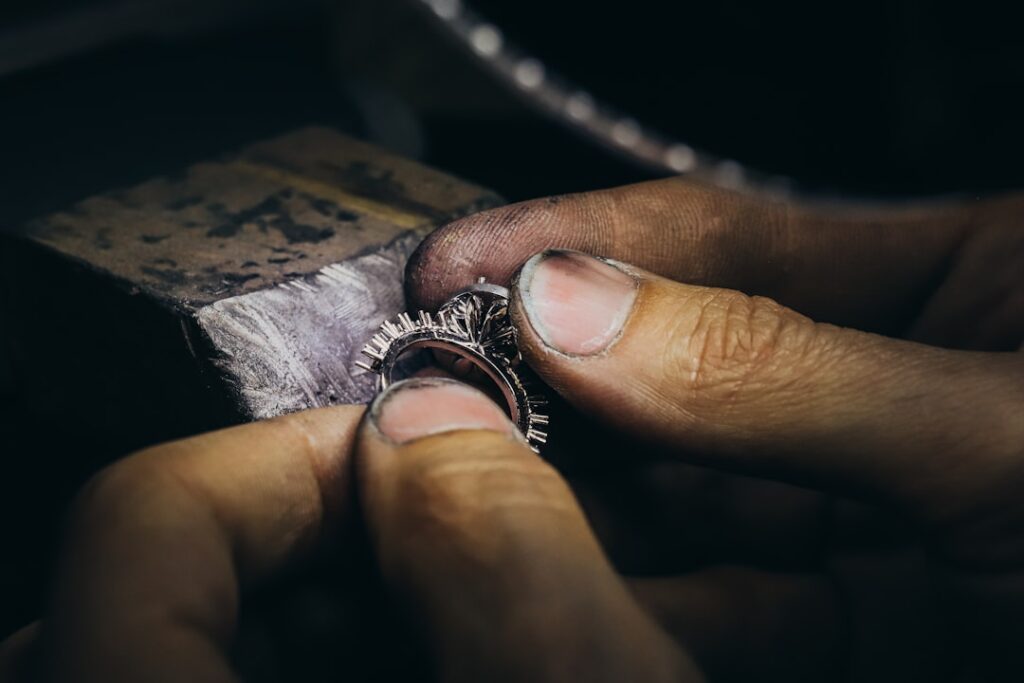
 AI & Technology
Career Guidance