No products in the cart.

AI Data Centers Face Power Struggles, Future Challenges

This article examines the rise of AI data centers, their energy demands, community impacts, and future implications for technology and society.

Powering the Future: The Rise of AI Data Centers
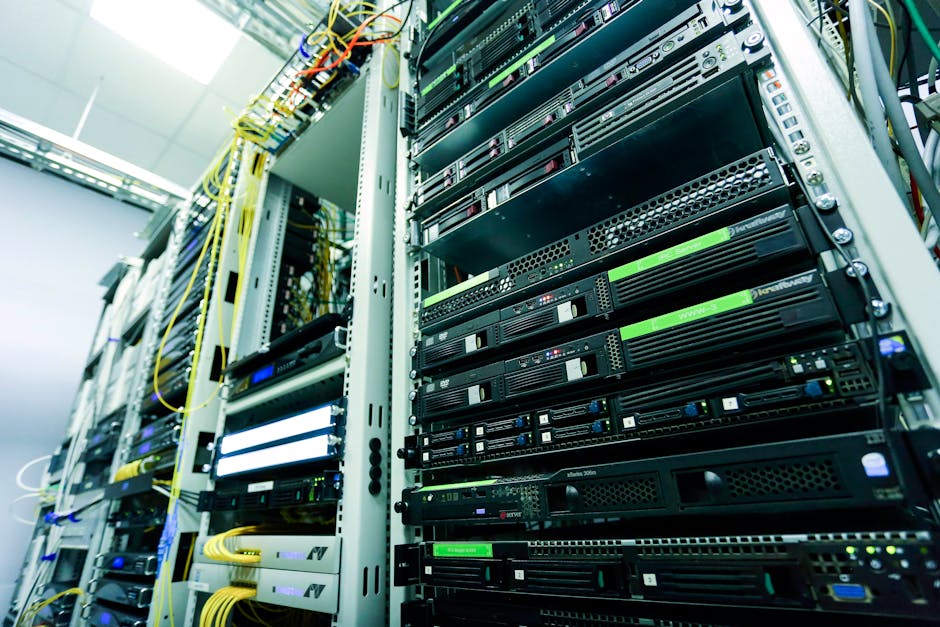
The rapid expansion of AI data centers is reshaping the landscape of technology and energy consumption. As companies invest billions in infrastructure to support artificial intelligence, the demand for energy is skyrocketing. This surge raises questions about sustainability, community impact, and the future of energy policy. The stakes are high as tech giants race to build facilities that could redefine their business models.
A recent survey revealed that 43 percent of Americans blame data centers for rising power bills, reflecting broader concerns about the environmental and economic implications of such facilities. As data centers proliferate, they are becoming a focal point of debate among policymakers, environmentalists, and the public.
Major projects, like the 40,000-acre data center in Utah, illustrate the scale of this expansion. This facility is expected to consume more power than the entire state currently uses, prompting local backlash. The urgency to address energy consumption and its effects on local communities has never been more pressing.
Technology Meets Energy: Opportunities and Challenges
The convergence of AI technology and energy consumption presents both opportunities and challenges. AI data centers require immense computing power, which translates into significant energy demands. This reality challenges existing energy infrastructures and raises concerns about the sustainability of continued growth.
The energy requirements of AI data centers are prompting a reevaluation of how energy is produced and consumed. The push for renewable energy sources is gaining momentum as stakeholders seek solutions that align technological advancement with environmental responsibility. However, the transition is complex and fraught with challenges.
The need for comprehensive energy policies that accommodate technological growth while protecting local interests is becoming increasingly urgent.
Local governments are grappling with the implications of large data center projects for their communities. The need for comprehensive energy policies that accommodate technological growth while protecting local interests is becoming increasingly urgent.
Global Implications and Policy Responses
You may also like
 Entrepreneurship & Business
Last Chance to Apply for a Side Event at Founder Summit 2026
The Founder Summit will take place from November 1 to November 7, 2026. It will gather key figures in the tech community, including founders, investors,…
Read More →The implications of AI data centers extend beyond local communities to global energy markets. As demand for data processing grows, so does the competition for energy resources. Analysts suggest that countries may need to rethink their energy strategies to accommodate the growing demand for data processing, which could lead to geopolitical tensions.
Furthermore, the urgency for transparency in energy consumption is gaining traction. Lawmakers are advocating for mandatory reporting requirements for data centers to ensure accountability. Bipartisan efforts are underway to gather comprehensive data on energy use, which is essential for informed policy-making.
Community Concerns and Legal Challenges
The rapid growth of AI data centers has sparked significant debate among various stakeholders. Proponents argue that these facilities are essential for advancing technology and driving economic growth. Critics, however, raise concerns about the environmental impact and the burden on local communities.
The NAACP has taken legal action against Elon Musk’s xAI data center project, claiming it violates air quality regulations. This lawsuit highlights the tension between technological advancement and community health. Critics argue that the benefits of AI must not come at the expense of vulnerable populations.
Proponents argue that these facilities are essential for advancing technology and driving economic growth.
Additionally, the political landscape is becoming increasingly polarized over data center projects. Local elections may hinge on community responses to these developments, as seen in Georgia, where nearly half of voters oppose new data center initiatives. This backlash indicates that the growth of AI data centers may not be as universally accepted as once thought.
Innovating Sustainably: The Path Forward
The future of AI data centers will likely hinge on finding a balance between innovation and sustainability. As energy demands continue to rise, the pressure will mount for companies to adopt greener practices. Investing in renewable energy sources and improving energy efficiency will be critical for the long-term viability of these facilities.
The role of government regulation will be pivotal in shaping the future of data centers. Policymakers will need to implement measures that encourage sustainable practices while fostering innovation. This balance will be crucial in mitigating the environmental impact of data centers and ensuring they contribute positively to local economies.
You may also like
 Entrepreneurship & Business
Nike
Nike's recent sales slump has prompted its CEO to reconsider strategies, significantly impacting marketing and product management roles. Understanding the implications for consumer engagement and…
Read More →
As the technology landscape evolves, the conversation around AI data centers will likely shift. Stakeholders must engage in ongoing dialogue to address concerns and explore solutions that benefit both communities and the tech industry. Collaborative efforts will be essential to create a sustainable future for AI development.