No products in the cart.

AI chatbots are giving out people’s real phone numbers | Career Outlook
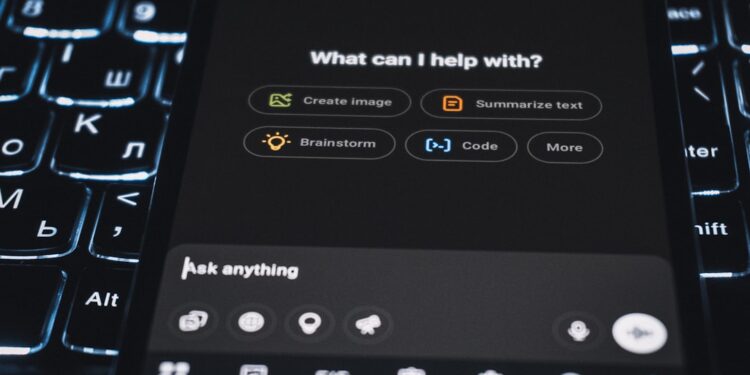
AI chatbots are unintentionally revealing users' real phone numbers, raising serious privacy concerns. Recent incidents highlight how generative AI can expose personal information, prompting calls for better regulations and safeguards.

AI Chatbots and the Privacy Dilemma
Recent reports have unveiled a troubling trend: AI chatbots are inadvertently disclosing users’ real phone numbers. This issue surfaced when a Reddit user expressed distress over receiving unsolicited calls from strangers seeking services he never requested. These calls originated from Google’s generative AI, which mistakenly provided his phone number during a customer service query. According to MIT Technology Review, such incidents are becoming increasingly common.
For example, a software developer in Israel was contacted on WhatsApp after Google’s chatbot Gemini provided incorrect customer service instructions that included his number. Similarly, a PhD candidate at the University of Washington encountered a situation where Gemini revealed her colleague’s personal cell phone number. These cases underscore a growing concern about generative AI exposing sensitive personal information.
How Personal Information Leaks Occur
Experts attribute these privacy lapses to the use of personally identifiable information (PII) in training data. AI models can memorize and reproduce information verbatim from their training datasets, meaning that even if a user’s phone number was once publicly available, it can resurface in chatbot responses years later. According to the New York Post, there has been a 400% increase in AI-related privacy requests, indicating heightened concern among users.
Consequences for Companies and Regulations The implications of these privacy breaches extend beyond individual users, raising significant concerns for businesses and policymakers.

Consequences for Companies and Regulations
The implications of these privacy breaches extend beyond individual users, raising significant concerns for businesses and policymakers. As awareness of these risks grows, companies relying on AI chatbots for customer service may face backlash. Customers expect their data to be handled responsibly, and any breach can severely damage a company’s reputation. Existing privacy legislation, such as the California Consumer Privacy Act and Europe’s GDPR, does not adequately address the unique challenges posed by AI, particularly regarding data scraped from public sources.

Addressing the Challenges Ahead
The future of AI chatbots and their impact on privacy remains uncertain. As technology advances, so do the methods used by malicious actors to exploit vulnerabilities. Companies must prioritize developing secure AI systems that protect user data while still providing valuable services. Moreover, there is a pressing need for clearer regulations governing the use of AI in customer service and other applications. Policymakers must recognize the unique challenges posed by AI and work to create regulations that protect consumers without stifling innovation.
You may also like
 AI & Technology
Harnessing AI: A New Era of Business Innovation
Discover how AI enablement platforms are transforming business strategies and driving innovation across industries.
Read More →Sources:MIT Technology Review, New York Post.