The integration of AI into the workplace is reshaping team dynamics. This article explores the implications of treating AI as a teammate, backed by insights from various sources.
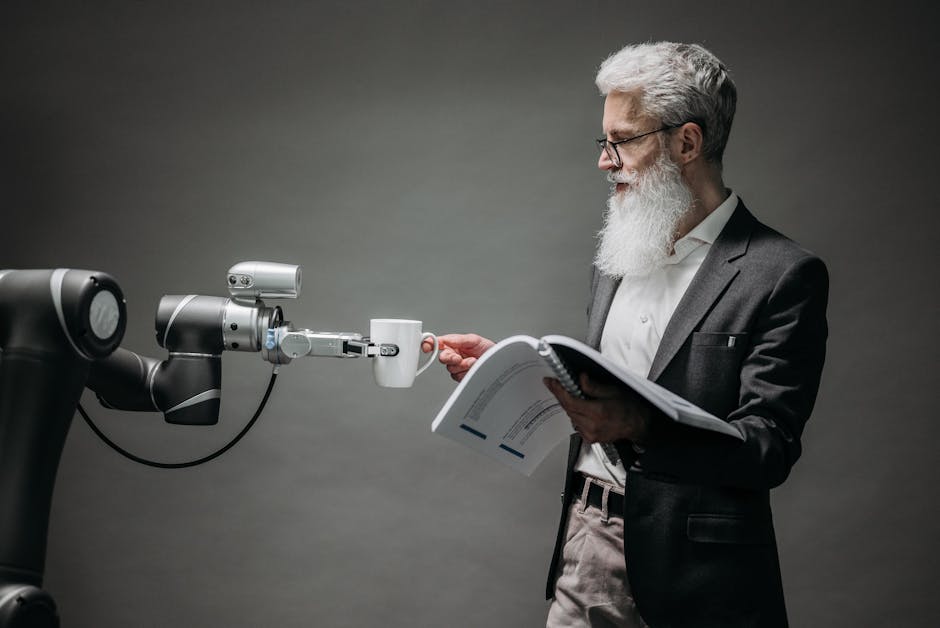
The conversation around artificial intelligence (AI) in the workplace is intensifying. As organizations increasingly adopt AI technologies, the question arises: should we treat AI as a teammate? This perspective is gaining traction, suggesting that AI can enhance productivity and foster innovation when integrated into team dynamics.
According to Harvard Business Review, treating AI as a partner rather than just a tool can significantly improve collaboration and outcomes. This approach encourages a mindset shift, prompting employees to view AI as an integral part of the team. By fostering this collaborative spirit, companies can unlock AI’s full potential, transforming workflows and decision-making processes.
AI systems are designed to analyze vast amounts of data and provide insights that can inform strategic decisions. For instance, AI can assist in identifying market trends or optimizing supply chains, allowing human team members to focus on creative and strategic tasks. This synergy between human intelligence and AI capabilities can lead to more informed and timely business decisions.
Understanding AI’s Strengths and Limitations
To effectively treat AI as a teammate, it is essential to understand its capabilities and limitations. AI excels in data processing and pattern recognition, making it a valuable asset for tasks that require analysis. However, it lacks human qualities such as emotional intelligence and creativity, which are crucial for effective teamwork.
As highlighted by sources like LinkedIn, successful collaboration with AI hinges on clear communication and trust. Employees must be trained to interact with AI systems, understanding how to leverage their strengths while compensating for their weaknesses. This requires an investment in education and training, ensuring that employees are equipped to maximize the benefits of AI collaboration.
Moreover, recognizing the limitations of AI is vital. While AI can enhance efficiency, it cannot replace the nuanced understanding and emotional intelligence that humans bring to the table. Therefore, organizations must strike a balance between leveraging AI’s capabilities and retaining the human touch in their operations.
As highlighted by sources like LinkedIn, successful collaboration with AI hinges on clear communication and trust.
By converting recruitment costs into internal development investments, quiet hiring reconfigures institutional power, embeds career capital, and stabilizes employee wellbeing, reshaping the labor market’s structural…
Businesses that embrace AI as a teammate can expect significant benefits. Research indicates that companies utilizing AI-driven insights can see improvements in productivity, as AI’s ability to handle repetitive tasks allows human employees to focus on higher-value activities.
Furthermore, Harvard Business Review reports that organizations treating AI as a collaborative partner experience higher levels of innovation. By integrating AI into brainstorming sessions or project planning, teams can generate more creative solutions. This collaborative environment encourages risk-taking and experimentation, essential components for innovation.
Additionally, AI can facilitate better decision-making by providing real-time data analysis and predictive analytics. This capability allows teams to make informed choices quickly, adapting to changing market conditions. As a result, organizations that leverage AI effectively can maintain a competitive edge in their industries.
Challenges and Ethical Considerations
Despite the clear advantages of treating AI as a teammate, there are ongoing debates regarding its implications for the workforce. Critics argue that increasing reliance on AI could lead to job displacement, particularly in roles that involve repetitive tasks. This concern raises questions about the future of work and the need for reskilling employees.
This concern raises questions about the future of work and the need for reskilling employees.
Moreover, there is a concern about the ethical implications of AI decision-making. As AI systems become more autonomous, the potential for bias in their algorithms raises significant ethical questions. Organizations must address these issues to ensure that AI is used responsibly and does not perpetuate existing inequalities.
Additionally, the debate extends to the level of trust that employees place in AI systems. While some workers embrace AI as a helpful partner, others remain skeptical, fearing that AI may undermine their roles. This division highlights the need for transparent communication and engagement strategies to build trust among employees.
The future of work is likely to be characterized by increased collaboration between humans and AI. As AI technologies continue to evolve, their integration into workplace processes will become more sophisticated. Organizations that proactively adapt to this changing landscape will be better positioned to thrive.
In the coming years, we can expect to see advancements in AI capabilities, leading to even more seamless collaboration. For instance, AI could take on more complex tasks, such as project management and strategic planning, further enhancing its role as a teammate.
Moreover, as AI becomes more prevalent, the demand for skills related to AI collaboration will grow. Workers will need to develop competencies that allow them to work effectively alongside AI systems. This shift will necessitate changes in education and training programs to prepare the workforce for the future.
Embracing AI for Career Advancement For young professionals entering the workforce, understanding how to collaborate with AI is becoming increasingly important.
Embracing AI for Career Advancement
For young professionals entering the workforce, understanding how to collaborate with AI is becoming increasingly important. As companies seek employees who can work effectively alongside AI, those with skills in AI interaction will have a competitive advantage.
Additionally, embracing AI as a teammate can lead to enhanced career opportunities. Professionals who can leverage AI tools to improve productivity and innovation will be highly sought after in various industries. This trend underscores the importance of continuous learning and adaptability in a rapidly changing job market.
In summary, treating AI as a teammate rather than just a tool can reshape workplace dynamics. By fostering collaboration between humans and AI, organizations can unlock new levels of productivity and innovation, paving the way for a more integrated future.




Career Guidance
 Industry & Global Trends
 Career Guidance