Adani Green Energy is set to invest ₹15,000 crore to enhance its battery storage capacity by 10 GWh in FY27, marking a significant shift towards reliable renewable energy.
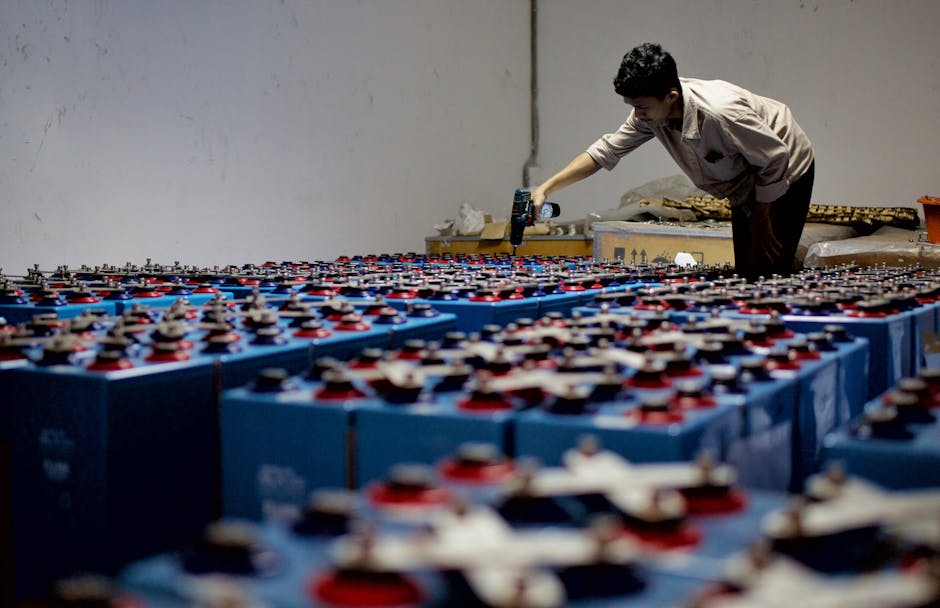
Adani Green Energy Ltd. has announced a substantial investment of ₹15,000 crore aimed at increasing its battery storage capacity by over 10 gigawatt-hours (GWh) in the current financial year. This initiative is part of the company’s strategy to deliver reliable and dispatchable clean power, aligning with India’s broader energy transition goals. The move comes as the demand for renewable energy sources continues to rise, driven by both government policy and consumer preference.
According to The Hindu, this investment will significantly boost Adani’s existing storage capacity, which is expected to reach approximately 3 GWh soon, following the commissioning of 1.4 GWh in FY26. The company’s focus on battery storage is crucial as it enhances the reliability of renewable energy sources, addressing one of the major challenges in the sector: intermittency.
Renewable Energy Landscape in India
The renewable energy sector in India is witnessing significant growth, with the government setting ambitious targets for clean energy generation. The National Electricity Policy aims for 500 GW of renewable energy capacity by 2030, necessitating advancements in energy storage technologies. As highlighted by Moneycontrol, Adani’s investment is well-timed, aligning with national goals and addressing the urgent need for enhanced grid stability.
Battery storage not only supports renewable energy deployment but also plays a vital role in balancing supply and demand. As more solar and wind projects come online, the ability to store excess energy for later use becomes critical. This investment by Adani Green could set a precedent for other companies in the sector, encouraging further investments in storage technologies.
Renewable Energy Landscape in India
The renewable energy sector in India is witnessing significant growth, with the government setting ambitious targets for clean energy generation.
Advancements in battery technology are crucial for enhancing the efficiency and capacity of energy storage systems. The development of lithium-ion batteries has revolutionized the storage landscape, providing higher energy density and faster charging capabilities. According to uniindia.com, Adani Green’s investment will likely focus on leveraging these advancements to optimize their storage solutions.
Furthermore, the integration of smart technologies and artificial intelligence in battery management systems can improve performance and lifespan. These innovations enable more effective monitoring and control of energy storage systems, ensuring that they operate at peak efficiency. As Adani Green expands its battery storage capacity, it is expected to adopt cutting-edge technologies that enhance the reliability and performance of its energy solutions.
Environmental and Economic Implications
Investing in battery storage aligns with environmental sustainability goals by facilitating the integration of renewable energy sources into the grid. As more renewable projects come online, the need for effective energy management solutions becomes increasingly important. Adani Green’s initiative will not only help reduce greenhouse gas emissions but also promote cleaner energy consumption across the country.
The economic implications of this investment are also significant. By enhancing battery storage capacity, Adani Green can create job opportunities in manufacturing, installation, and maintenance of energy storage systems. This could lead to a ripple effect in the economy, stimulating growth in related sectors and contributing to India’s overall economic development.
A memo from chief executive Cristiano Amon links the reductions to performance culture and says business priorities and required skills will guide decisions.
As more renewable projects come online, the need for effective energy management solutions becomes increasingly important.
Challenges and Future Considerations
Despite the promising outlook, several challenges remain in the path of expanding battery storage capacity. The initial capital investment required for battery technology can be substantial, and companies must navigate the complexities of supply chain logistics. As noted by Economic Times, securing the necessary materials for battery production, such as lithium and cobalt, poses additional hurdles.
Additionally, regulatory frameworks and policies must evolve to support the growth of battery storage technologies. Ensuring that regulations are conducive to innovation will be critical for companies like Adani Green as they seek to expand their operations. Collaboration with government entities and industry stakeholders will play a vital role in addressing these challenges.
Written by Career Ahead AI. AI can make mistakes, so verify key facts. Report errors to support@careeraheadonline.com.
Career Ahead AI is Career Ahead Magazine's in-house AI newsroom, reporting on careers, education, jobs and business. It produces original summaries and analysis drawn from publicly available sources, with those sources credited, and operates under the editorial oversight of the Career Ahead team. AI can make mistakes, so please tell us when something looks wrong. Corrections, copyright or takedown requests…
Reliance is moving from building India's New Energy infrastructure to commercial execution. From solar manufacturing, batteries and green hydrogen to compressed biogas…
Modern banking is no longer just about financial services—it is increasingly a technology industry powered by infrastructure, artificial intelligence, and regulation. In…
Golden Visas are evolving fast—from Portugal’s policy shift to the UAE’s merit-based model. For Indians exploring global mobility, this 2025 guide compares…


Entrepreneurship & Business