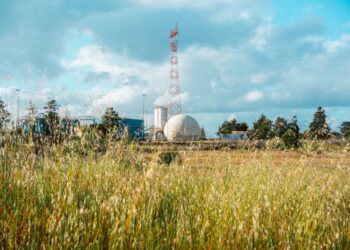
Adani Group aims to achieve 10 gigawatts (GW) of nuclear energy capacity by 2035, marking a significant step in India's energy strategy amid growing demand for clean power.
India’s Adani Group has announced an ambitious target to achieve 10 gigawatts (GW) of nuclear energy capacity by 2035. This announcement was made during the company’s annual general meeting on June 24, 2026. Chairman Gautam Adani emphasized the necessity for a robust energy strategy to meet India’s increasing demand for clean power. This initiative represents a significant entry into the nuclear sector, complementing the group’s ongoing focus on renewable energy sources.
This strategic move is crucial as India grapples with energy security and sustainability challenges. With a global shift towards cleaner energy, Adani’s foray into nuclear power underscores a broader trend of diversification in energy production. This development is particularly relevant for nuclear engineers, renewable energy investors, and energy policy analysts who are closely monitoring India’s evolving energy landscape.
Implications for Nuclear Engineers
The Adani Group’s nuclear initiative is expected to create a heightened demand for skilled nuclear engineers. Achieving the goal of 10 GW will necessitate a substantial workforce to design, construct, and maintain nuclear power plants. This demand aligns with findings from the Nuclear Energy Institute, which indicates that the U.S. will require an additional 25,000 nuclear professionals by 2030 for similar projects. As India embarks on its nuclear journey, the need for qualified engineers will be paramount.
Educational institutions and training programs must adapt swiftly to meet this demand. There will be a pressing need for specialized training in nuclear technology, safety protocols, and regulatory compliance. Engineers proficient in advanced reactor designs, particularly small modular reactors (SMRs), will be in high demand. The Indian government is likely to support this initiative with favorable policies, which could further enhance job creation in this sector.
Moreover, the emphasis on safety and sustainability necessitates that engineers possess a solid understanding of environmental impact assessments and waste management. The integration of digital technologies in nuclear operations, such as artificial intelligence for predictive maintenance, adds complexity to the skill set required. As the Adani Group progresses, the nuclear sector is poised to see numerous job openings, making it an attractive field for both new graduates and seasoned professionals.
Educational institutions and training programs must adapt swiftly to meet this demand.
Investment Opportunities for Renewable Energy Investors
The commitment to nuclear energy presents a significant investment opportunity for renewable energy investors. Adani’s plan for 10 GW will require substantial capital investment, likely amounting to hundreds of billions of rupees. This financial commitment aligns with trends in the energy sector, where investors are increasingly interested in projects that promise sustainable and reliable energy solutions. Adani’s nuclear plans are part of a broader clean energy push, indicating a strategic shift that could reshape investment landscapes.
According to analysis from energy.economictimes.indiatimes.com, the Indian government is expected to bolster this initiative with favorable policies and incentives, making investments in nuclear projects more attractive. This environment presents a unique opportunity for investors to diversify their portfolios. Furthermore, as Adani integrates nuclear energy into its operations, it may attract partnerships with international firms specializing in nuclear technology, providing investors access to advanced technologies and expertise.
Investors should also consider the long-term implications of this shift. The global energy market is moving towards decarbonization, and nuclear energy is increasingly viewed as a viable solution for meeting baseload power needs while reducing carbon emissions. This transition could enhance the value of companies involved in nuclear energy, making early investments particularly advantageous. As the Adani Group advances its nuclear plans, investors must remain vigilant about regulatory changes and market dynamics to capitalize on emerging opportunities.
Regulatory and Public Perception Challenges
While the Adani Group’s nuclear energy ambitions are promising, they are not without challenges. Regulatory hurdles and public perception issues surrounding nuclear energy in India could impact the project’s success. The government will need to establish clear regulatory frameworks that ensure safety and environmental protection while facilitating the development of nuclear infrastructure.
Public perception of nuclear energy remains mixed, with concerns about safety and environmental impacts often dominating discussions. Engaging with local communities and addressing their concerns will be crucial for the Adani Group as it moves forward with its plans. Transparency in operations and a commitment to safety will be essential in building public trust.
The government will need to establish clear regulatory frameworks that ensure safety and environmental protection while facilitating the development of nuclear infrastructure.
Frequently Asked Questions
What skills are needed for nuclear engineers in upcoming projects?
Nuclear engineers will require specialized skills in reactor design, safety protocols, and regulatory compliance. Additionally, expertise in digital technologies and environmental impact assessments will be essential as the industry evolves.
How can renewable energy investors capitalize on Adani’s nuclear plans?
Investors can capitalize on Adani’s nuclear plans by exploring opportunities in capital investments and partnerships with international firms. The supportive regulatory environment in India will also enhance the attractiveness of these investments.
What should energy policy analysts consider in light of Adani’s nuclear energy target?
Analysts should evaluate regulatory frameworks, safety standards, and public perception as they assess the implications of nuclear energy. Understanding the interplay between nuclear and renewable energy sources will also be crucial for developing effective policies.



Industry & Global Trends

 Industry & Global Trends