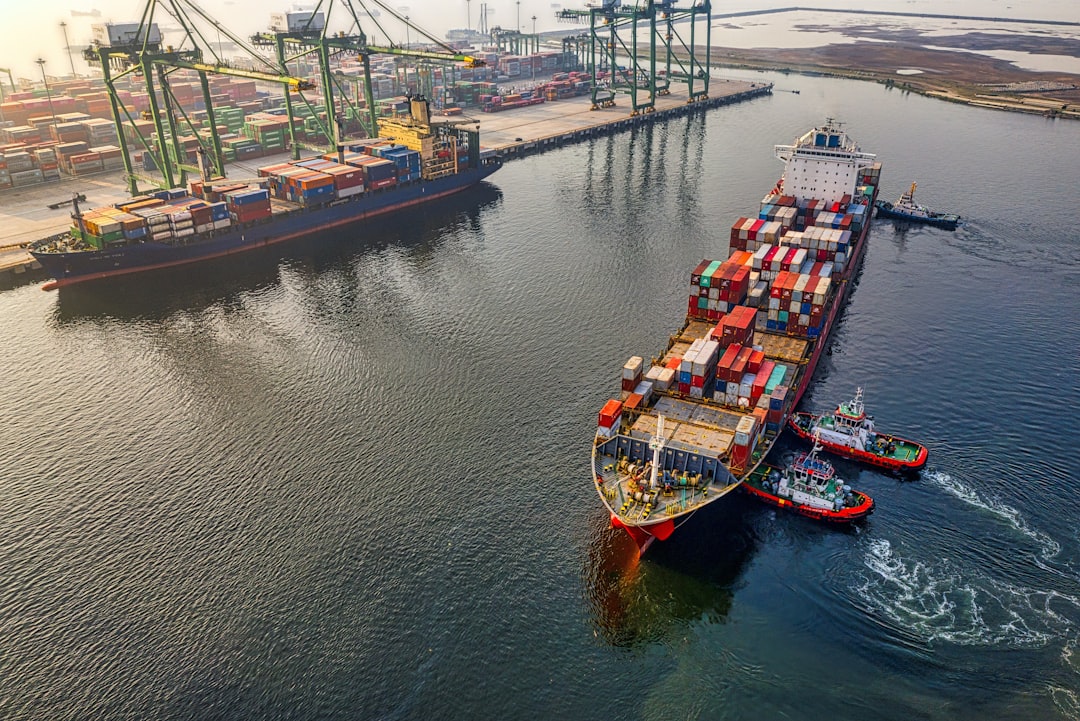
S&P Global Ratings upgraded Adani Ports and Special Economic Zone (APSEZ) to a BBB rating, reflecting strong cash flows and a solid balance sheet, indicating a stable outlook for the company.
India — S&P Global Ratings has upgraded Adani Ports and Special Economic Zone (APSEZ) to an investment-grade BBB rating from BBB-. This change, announced on June 25, 2026, reflects the company’s strong cash generation and solid balance sheet, positioning it well for future growth.
The upgrade is significant as it indicates a stable outlook for APSEZ, with expectations that the company will maintain robust operating performance over the next 12 to 24 months. This news is particularly relevant for financial analysts and investment managers focusing on Indian equities, especially in the infrastructure sector.
Implications of the BBB Upgrade on Investment Appeal
The upgrade to BBB suggests that APSEZ is now viewed as a lower-risk investment, potentially attracting more institutional investors. S&P’s assessment indicates that the company can sustain a net debt-to-EBITDA ratio around 2.6 times while investing heavily in expanding its domestic port capacity. This financial stability is crucial for analysts assessing the risk-reward balance of infrastructure stocks.
According to industry analysis, the upgrade may lead to increased stock performance for Adani Ports in the near term. Historically, upgrades in credit ratings have led to positive reactions from the stock market, signaling improved financial health and lower risk. Investors may see this as an opportunity to capitalize on potential growth, especially since APSEZ plans to increase its domestic port capacity to 1 billion tonnes by 2030.
Moreover, the expected rise in annual capital expenditure to about ₹18,000 crore in fiscal years 2027 and 2028, and ₹20,000 crore in fiscal 2029, will likely enhance the company’s operational capabilities. This expansion could lead to higher cargo volumes, projected to grow by approximately 18% in fiscal 2027. This is a positive indicator for stock performance, aligning with the broader trend of increasing infrastructure investments in India driven by government initiatives aimed at boosting economic growth.
The launch comes at a time when media consumption patterns are rapidly changing. Viewers increasingly prefer on-demand content and real-time updates, prompting networks like Bloomberg…
Investors may see this as an opportunity to capitalize on potential growth, especially since APSEZ plans to increase its domestic port capacity to 1 billion tonnes by 2030.
Financial Strength Underpinning the Upgrade
Adani Ports’ financial metrics are critical for the S&P upgrade. The company has demonstrated strong cash flows, providing a solid foundation for its ambitious expansion plans. S&P noted that APSEZ’s financial position supports its growth strategy while maintaining healthy leverage levels. This is particularly important as the company expands its operations both domestically and internationally.
The company’s tightened leverage policy targets a net debt-to-EBITDA ratio of up to 2.5 times, underscoring its commitment to financial discipline. This approach is essential for ensuring long-term sustainability, especially as the company embarks on significant capital projects. Reports indicate that Adani Ports is strategically positioned to leverage its financial strength to explore new markets, including Africa and Southeast Asia, further diversifying its revenue streams.
Additionally, APSEZ’s diversified asset portfolio and strong cash flows are expected to mitigate risks associated with its expansion into international markets. While S&P cautioned about potential operational risks in markets with weaker regulatory environments, the company’s robust financial health suggests it can navigate these challenges effectively. The anticipated growth in cargo volumes and capacity utilization at its ports further strengthens this position, making it a compelling case for investors seeking stability in the infrastructure sector.
Strategic Considerations for Investment Managers
Investment managers should focus on these financial metrics when evaluating the potential of Adani Ports. The strong balance sheet and cash flow generation support current operations and provide the necessary capital for future investments, which could enhance shareholder value over time. As infrastructure spending in India increases, driven by government initiatives, companies with strong balance sheets like Adani Ports are likely to attract more investor interest.
In summary, the upgrade to a BBB rating by S&P could serve as a catalyst for Adani Ports’ stock performance, especially as it continues to expand and strengthen its financial position. Analysts and investment managers should monitor these developments closely, as they could significantly influence investment strategies in the Indian infrastructure sector. The outlook for Adani Ports remains positive, but it is essential to watch how the company navigates its ambitious expansion plans amid potential market uncertainties.
In September, the economy added just 150,000 jobs, a stark contrast to the 200,000 jobs analysts had predicted. This slowdown comes amid ongoing inflationary pressures,…
Analysts and investment managers should monitor these developments closely, as they could significantly influence investment strategies in the Indian infrastructure sector.
Frequently Asked Questions
What does the S&P upgrade mean for Adani Ports’ future investments?
The S&P upgrade indicates that Adani Ports is in a strong financial position to pursue its ambitious expansion plans, including significantly increasing domestic port capacity by 2030. This financial strength allows the company to invest in growth while maintaining a healthy balance sheet.
How should investment managers adjust their portfolios after the Adani Ports upgrade?
Investment managers may want to consider increasing their exposure to Adani Ports due to its improved credit rating and strong financial metrics. The upgrade signals lower risk and potential for growth, making it an attractive option compared to other infrastructure stocks.
What financial metrics should analysts focus on following the S&P rating change?
Analysts should pay close attention to Adani Ports’ cash flow generation, net debt-to-EBITDA ratio, and capital expenditure plans. These metrics will provide insights into the company’s financial health and its ability to fund future growth initiatives.



News

 News
News