No products in the cart.

Private Colleges Face Closure Over Government Fee Mandate

The Supreme Court's ruling underscores the financial challenges private medical colleges face in India, particularly regarding tuition fees.

India’s Supreme Court ruled on June 25, 2026, that private medical colleges cannot be compelled to charge the same fees as government institutions. The justices noted that aligning private college fees with government rates could jeopardize their financial viability, potentially leading to closures. This ruling arose from a case involving a student from an economically weaker section (EWS) who faced exorbitant tuition fees after being assigned a general category seat in a private college.
The court’s decision highlights the ongoing debate about the cost of medical education in India, particularly for private institutions. Justice B. V. Nagarathna emphasized that private colleges are self-financed and cannot operate under the same financial constraints as government colleges, which receive substantial subsidies. The ruling underscores the critical role private colleges play in higher education, especially in the medical field.
Financial Viability of Private Medical Colleges
The Supreme Court’s ruling has significant implications for the financial health of private medical colleges in India. Many of these institutions rely on high tuition fees to cover costs such as faculty salaries and infrastructure. If they are forced to lower their fees to match government standards, they may struggle to maintain the quality of education and services. According to a report by the National Medical Commission, private colleges provide over 60% of medical education in India, highlighting their essential role in the educational system and the potential crisis if they begin to close due to unsustainable fees.
This ruling comes at a time when the demand for medical education is rising, driven by a growing population and an increasing need for healthcare professionals. Many students compete for limited seats in government medical colleges, making private institutions a vital alternative. If these colleges close, it would exacerbate the shortage of medical professionals in the country. The Economic Times warns that the Supreme Court’s decision could drastically reduce the number of medical graduates entering the workforce, which is concerning given India’s current healthcare challenges.
This ruling comes at a time when the demand for medical education is rising, driven by a growing population and an increasing need for healthcare professionals.
Tuition Fees and Student Access
The Supreme Court’s decision is likely to have a profound impact on tuition fees for medical students in private colleges. Currently, students pay annual fees ranging from INR 10 lakh to INR 25 lakh, depending on the college and its location. The ruling raises questions about how these fees will be structured in the future. With the government setting a precedent for fee regulation, students may find themselves in a precarious situation. Those unable to afford high tuition may have to forgo their medical education or seek alternative paths, potentially leading to lower enrollment rates at private colleges and further threatening their financial stability.
You may also like
 Education & University Insights
Cornell President Calls Rape Inquiry ‘Defining Moment’ for Campus | Career Outlook
Cornell University's president, Michael Kotlikoff, has labeled the ongoing rape inquiry a 'defining moment' for the institution, emphasizing the need for significant changes in campus…
Read More →Moreover, the economic effects of this decision extend beyond individual students. If private colleges close, there will be fewer seats available for aspiring medical professionals, pushing more students toward government colleges and increasing competition. This shift could significantly affect both students and the overall quality of medical education in the country.
As students face uncertainty regarding tuition fees, they may need to seek scholarships or financial aid to continue their education.
Adapting to New Regulations
As students face uncertainty regarding tuition fees, they may need to seek scholarships or financial aid to continue their education. The changing landscape of medical education requires a proactive approach from both students and institutions. Increased competition for limited seats in government colleges might mean that only the most qualified candidates gain admission, limiting access to medical education for many aspiring doctors.

Given these challenges, private college administrators must consider innovative solutions to navigate the new regulatory environment. They may need to advocate for policies that support their financial health while ensuring access to quality education for students. As the situation develops, the future of private medical colleges in India remains uncertain. Will regulatory pressures force many to close, or will they adapt and thrive? The coming months will be crucial for stakeholders in higher education.

Frequently Asked Questions
If fees are regulated to align with government rates, private college administrators may face serious financial challenges, potentially leading to closures and a need to re-evaluate strategies to maintain educational quality.
What are the implications for private college administrators if fees are regulated?
You may also like
 Education & University Insights
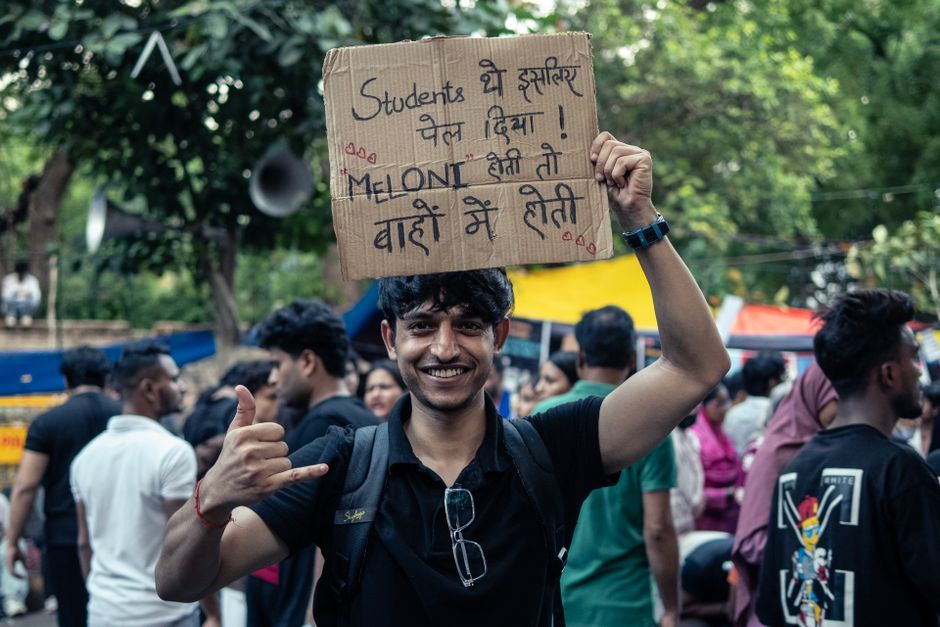
Ambedkar University Updates PhD Fellowship Guidelines
Ambedkar University has revised its PhD fellowship guidelines, easing attendance requirements following significant student protests. The changes reflect a growing trend in higher education where…
Read More →If fees are regulated to align with government rates, private college administrators may face serious financial challenges, potentially leading to closures and a need to re-evaluate strategies to maintain educational quality.
How will this affect medical students’ tuition costs in private colleges?
If private colleges must charge government rates, students may see lower tuition fees. However, this could also lead to the closure of many institutions, limiting their options for medical education.
What should private college administrators do in response to potential fee regulations?
Private college administrators may need to explore alternative funding models and advocate for policies that support their financial stability. Engaging with stakeholders and policymakers will be essential to navigate the challenges posed by regulatory pressures.