No products in the cart.

Afghan Girls Pursue Education Amid Taliban Restrictions

Under Taliban rule, Afghan girls face severe restrictions on education. Secret schools have emerged as a response, allowing young women to pursue learning despite the risks. This movement highlights the resilience of Afghan girls and the cultural shift towards valuing female education.

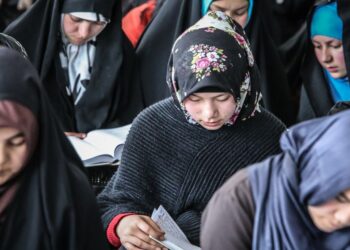
Afghanistan — Under Taliban rule, girls cannot officially receive an education beyond the sixth grade. However, secret classrooms have appeared across the country. These hidden schools allow young women to defy the ban and pursue their education. They provide hope and essential learning, despite the risks involved.
The rise of these secret schools responds directly to the Taliban’s strict policies. Many Afghan families want their daughters to receive an education, even if it means breaking the law. This movement shows a significant cultural shift and the determination of Afghan girls and their families.
Emergence of Clandestine Schools
Since the Taliban took over in 2021, education in Afghanistan has changed drastically. The government imposed strict rules limiting girls’ access to education, which led to the rise of clandestine schools. These secret institutions operate in hidden locations, often requiring students to attend in small groups to avoid detection.
Career Ahead’s analysis shows that the number of clandestine schools has increased significantly in recent years. Activists and educators report a surge in demand for these secret classes, with many young girls eager to continue their education. This underground movement highlights how far families will go to ensure their daughters have learning opportunities.
They operate in secrecy, using creative methods to deliver lessons and adapt curricula to fit their students’ needs.
In these clandestine settings, educators play a crucial role. Many teachers are former school staff who continue teaching despite the risks. They operate in secrecy, using creative methods to deliver lessons and adapt curricula to fit their students’ needs. This dedication showcases the commitment of Afghan educators to empower the next generation.
You may also like
 Education & University Insights
Bihar Government Approves Single-Phase BPSC TRE 4.0
The Bihar government has announced that the Teacher Recruitment Examination (TRE) 4.0 will be held in a single phase, responding to student protests for a…
Read More →According to a report by the New York Times, these secret schools provide academic knowledge and foster a sense of community among the girls. They share their aspirations and fears in a safe environment. The teachers, often risking their safety, become mentors who inspire students to persevere against the odds. The clandestine nature of these schools adds urgency to the education they provide, as each lesson is a step toward reclaiming their rights.
Despite the challenges, these secret schools are vital for Afghan girls. They offer subjects like mathematics, science, literature, and languages, ensuring students receive a well-rounded education. The resilience of these young women is inspiring as they navigate learning in a hostile environment.
Impact on Female Education in Afghanistan
The Taliban’s restrictions on female education have had a profound impact. With limited official schooling opportunities, many girls seek alternative learning avenues. Clandestine schools have become a lifeline, providing access to education that would otherwise be denied.
Career Ahead research shows that the rise of secret schools highlights a significant gap in educational access for women in Afghanistan.
Career Ahead research shows that the rise of secret schools highlights a significant gap in educational access for women in Afghanistan. The lack of formal opportunities has led to increased demand for clandestine classes, showing the urgent need for change. This situation affects individual students and has broader implications for the country’s future.
You may also like
 Education & University Insights
Inside Afghanistan’s Secret Schools for Girls | Career Outlook
In Afghanistan, the Taliban's education ban has forced female students into secret schools, where they continue to pursue education despite significant risks. These underground networks…
Read More →Educators in these secret schools face many challenges, including the constant threat of discovery. Many operate under the risk of arrest and punishment, yet they continue to teach. They are driven by the belief that education is a fundamental right. This unwavering commitment speaks volumes about Afghan women’s determination to reclaim their right to learn.

As reported by BBC News, the presence of clandestine schools has sparked conversations about the future of female education in Afghanistan. As more girls participate in these secret classes, the potential for change grows. The resilience of these young women may influence future policies and attitudes toward female education in the country. Their stories challenge the status quo as they risk their safety for learning.
The impact of these clandestine schools goes beyond immediate educational benefits. They represent cultural resistance, where Afghan girls assert their right to education and challenge the oppressive norms imposed by the Taliban. The emergence of these schools may inspire international advocacy and support for female education in Afghanistan, as the world learns about the lengths these girls go to pursue their dreams.
The future of education in Afghanistan remains uncertain. However, the rise of clandestine schools and the determination of Afghan girls suggest that change is possible. As these young women continue to fight for their right to learn, the world watches closely, hoping for a brighter future.
Afghan girls seeking education can access clandestine schools, which provide essential learning opportunities despite Taliban restrictions.
As clandestine schools continue to operate, educators will play a vital role. Their commitment to teaching in adversity shapes their students’ lives and contributes to a larger movement for educational reform in Afghanistan. The courage shown by both students and teachers in these secret classrooms is a testament to the enduring human spirit and the universal desire for knowledge.
Frequently Asked Questions
What resources are available for Afghan girls seeking education?
Afghan girls seeking education can access clandestine schools, which provide essential learning opportunities despite Taliban restrictions. Various organizations also support these initiatives, offering resources and materials to educators and students.
How can educators support clandestine learning environments in Afghanistan?
You may also like
 Education & University Insights
AI-Quantum University Unveils ₹730 Cr Campus in India
The university will occupy an 8.5-acre campus and is scheduled to commence its academic and advanced technology skill-development programs in September 2026. Initially, classes will…
Read More →Educators can support clandestine learning environments by creating safe spaces for students to learn and express themselves. They can also work with local communities to raise awareness about the importance of female education and advocate for change.

What strategies can Afghan girls use to continue their education despite restrictions?
Afghan girls can continue their education by enrolling in clandestine schools and seeking informal learning opportunities. Building networks with other students and educators can provide support and resources to navigate their challenges.