No products in the cart.

Fire at Jinjiang Shoe Factory Claims 28 Lives in Fujian Province
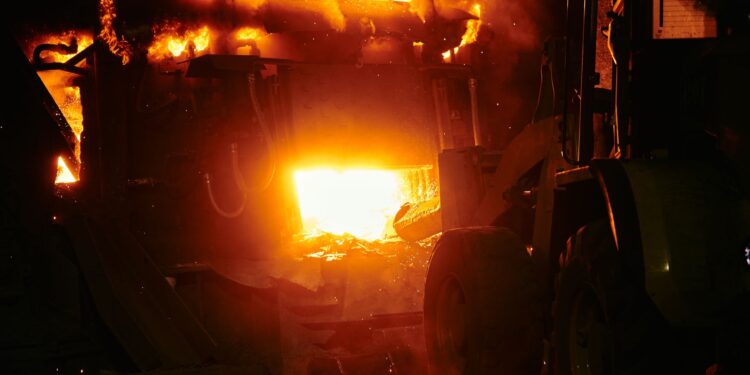
A blaze at a Jinjiang shoe factory on July 9, 2026, resulted in 28 deaths, prompting a provincial safety review.

A blaze erupted at a shoe-manufacturing plant in Jinjiang, Fujian, on July 9, 2026, killing at least 28 workers. Chinese emergency services extinguished the fire and began a preliminary investigation.
The fire broke out at approximately noon local time on Thursday, July 9, 2026, at a footwear factory situated in Jiangtou village, Chendai township of Jinjiang city in southeastern China’s Fujian province. The incident resulted in 28 confirmed fatalities among factory employees.
The factory is located in Jinjiang, a city commonly referred to as China’s “shoe capital” because it produces a significant portion of the world’s sports shoes. Local fire crews, police, and medical responders were dispatched to the scene, and the state news agency Xinhua released images of firefighters combating the blaze. The cause of the fire has not been disclosed in the initial reports, and authorities have opened a formal inquiry into the incident.
Incident Overview
The blaze originated in the production area of the factory, where large quantities of synthetic materials are stored for shoe assembly. Witnesses reported hearing a loud explosion followed by thick black smoke, prompting workers to evacuate the premises. Emergency services arrived within minutes and employed high-pressure water hoses to contain the flames, which were fully extinguished after several hours.
Medical teams transported injured personnel to nearby hospitals; however, the official death toll remained at 28, with additional injuries not disclosed in the early statements. The site was cordoned off by police while investigators collected evidence, including surveillance footage and material samples, to determine the fire’s origin.
Witnesses reported hearing a loud explosion followed by thick black smoke, prompting workers to evacuate the premises.
Official Response
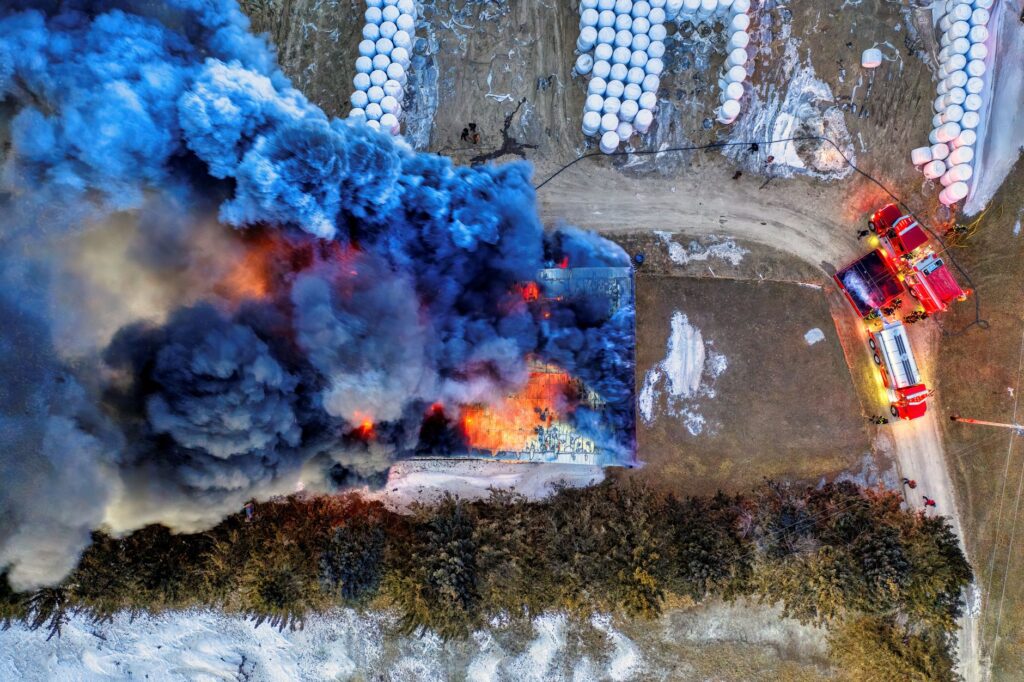
Jinjiang municipal authorities issued a public statement confirming the casualties and expressing condolences to the families of the victims. The Fujian provincial fire department reported that all responding units adhered to standard operating procedures and that no additional fatalities were reported after the initial count.
The Ministry of Emergency Management in Beijing announced that a senior inspection team would travel to Jinjiang to review safety protocols at the factory and other local manufacturing facilities. Xinhua News Agency cited President Xi Jinping’s remarks emphasizing the need for “strict enforcement of workplace safety standards” following the incident.
Local labor officials indicated that the factory had previously passed routine safety inspections, though the details of those audits were not released to the public. The investigation will assess compliance with national fire-prevention regulations, including the storage of flammable materials and the adequacy of emergency exits.
Impact on the Shoe Industry and Workplace Safety
Jinjiang’s status as a major hub for sports-shoe production means that the fire could affect supply chains that serve international brands, although no immediate disruptions to orders were reported by manufacturers in the region. The loss of 28 workers highlights ongoing occupational-safety challenges in China’s manufacturing sector, where rapid production demands sometimes intersect with inadequate safety measures.
The incident may prompt heightened scrutiny from both Chinese regulators and foreign buyers regarding compliance with safety standards in supplier factories. Companies that source footwear from Jinjiang could face increased pressure to verify that their subcontractors meet international labor-rights criteria, potentially leading to additional audits or certification requirements.
For workers in similar facilities, the event underscores the importance of emergency-evacuation training and the availability of functional fire-suppression equipment. Labor unions and advocacy groups have previously called for stronger enforcement of safety laws, and the Jinjiang fire may reinforce those calls in upcoming policy discussions at the provincial level.
The loss of 28 workers highlights ongoing occupational-safety challenges in China’s manufacturing sector, where rapid production demands sometimes intersect with inadequate safety measures.
Immediate Effects for Stakeholders
Students studying industrial safety, vocational training programs, and engineering disciplines can reference the Jinjiang fire as a case study of real-world hazards in mass-production environments. Educators may incorporate the incident into curricula focused on risk assessment, emergency response planning, and regulatory compliance.
Employers operating manufacturing plants in China are advised to review internal safety audits, verify that fire-extinguishing systems are operational, and ensure that evacuation routes remain unobstructed. The provincial inspection team’s findings, once released, could serve as a benchmark for best practices across the sector.
Key Facts
What: A fire at a shoe factory in Jinjiang, Fujian, killed 28 workers.
When: July 9, 2026, around noon local time.
What: A fire at a shoe factory in Jinjiang, Fujian, killed 28 workers.
Impact: The tragedy highlights safety risks in China’s footwear manufacturing hub and may lead to stricter enforcement of workplace safety regulations.
Sources
- 28 killed in a shoe factory fire in southern China | AP News – Associated Press
- Factory Fire in China Causes ‘Significant’ Casualties, Xi Says – The New York Times
- A shoe factory fire that killed 28 highlights China’s persisting worker safety risks – AP News
- Factory fire kills at least 28 in China’s ‘shoe capital’ – BBC News
Related Articles
- Punjab Distributes ₹1.07 Crore Seed Grants to 31 Startups Under 2026 Startup Policy
Written by Career Ahead AI. AI can make mistakes, so verify key facts. Report errors to support@careeraheadonline.com.