No products in the cart.

AI Adoption Is a Challenge. Here’s a Solution.
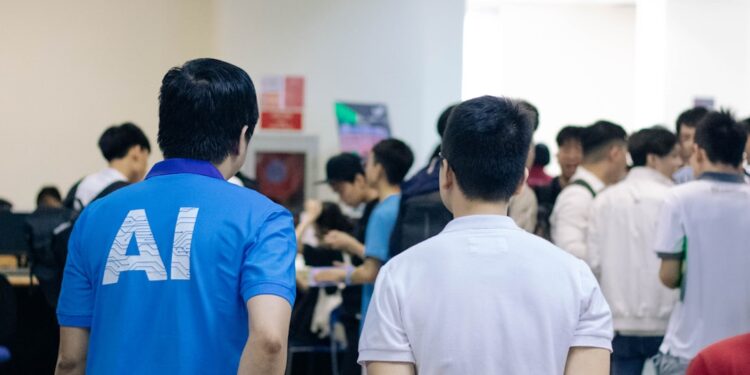
AI adoption is reshaping the modern workplace, yet many organizations face significant hurdles. Resistance from employees can stall progress, leading to underutilization of AI tools. This situation is particularly evident in the U.S., where a recent study revealed that 31% of knowledge workers actively resist AI initiatives.

AI Adoption: A Complex Challenge
AI adoption is reshaping the modern workplace. Yet, many organizations face significant hurdles. Resistance from employees can stall progress, leading to underutilization of AI tools. This situation is particularly evident in the U.S., where a recent study revealed that 31% of knowledge workers actively resist AI initiatives.
The challenge is not just technical but psychological. Employees often feel threatened by AI, fearing job loss or a shift in their roles. As generative AI tools become more prevalent, understanding and addressing these fears is crucial for leaders. For instance, 41% of Gen Z workers express apprehension about AI’s impact on their jobs. This demographic, which is increasingly entering the workforce, is vital for companies aiming to innovate and stay competitive. Addressing their concerns can help bridge the gap between technology and human resources.
Addressing Psychological Barriers
To facilitate smoother AI integration, organizations must consider the psychological needs of their employees. According to experts, three core needs drive workplace motivation: competence, autonomy, and relatedness. When these needs are met, employees are more likely to embrace new technologies. By acknowledging concerns and aligning support systems, leaders can create an environment where employees feel competent and valued. This method shifts the focus from merely implementing technology to fostering human-AI collaboration.
For example, companies like PwC have successfully integrated AI by combining hands-on experimentation with peer support. This approach not only builds competence but also preserves autonomy, allowing employees to explore AI tools at their own pace. Furthermore, a report from Knowledge at Wharton emphasizes that behavioral experts suggest leaders should actively engage with employees to reduce resistance to generative AI, fostering a culture of openness and trust.
Leaders must articulate a clear vision of how AI will enhance workflows and contribute to overall business goals.
Leadership Engagement and Communication
The data surrounding AI adoption reveals a stark contrast between leadership and employee engagement. While 85% of leaders regularly use generative AI, only 51% of employees do the same. This disparity highlights a significant gap that can undermine productivity and trust within organizations. Effective communication strategies are essential to bridge this divide. Leaders must articulate a clear vision of how AI will enhance workflows and contribute to overall business goals.
You may also like
 Entrepreneurship & Business
Startups Captivating VCs at PearX Demo Day
The PearX program is renowned for its selective nature, capping its cohorts at just 20 startups. This approach facilitates focused mentorship and investment opportunities from…
Read More →Policy implications also play a critical role in shaping AI adoption. Governments and regulatory bodies must consider how AI affects the workforce. Policies should encourage training and development programs that equip workers with the necessary skills to thrive in an AI-driven environment. Moreover, organizations should implement policies that promote transparency and open dialogue about AI’s role. When employees understand how AI will impact their work, they are more likely to engage positively with these tools.
Navigating Contradictions in AI Perception
Despite the potential benefits of AI, there remains a significant debate about its implications for the workforce. Some argue that AI threatens job security, while others believe it creates opportunities for new roles and skills. This contradiction complicates the narrative around AI adoption. For instance, while many employees fear job loss, research indicates that AI can enhance productivity by automating mundane tasks. This automation frees up time for employees to focus on more strategic and creative aspects of their jobs. However, the fear of displacement persists, leading to resistance against AI initiatives.

Additionally, the generational divide in attitudes towards AI adoption further complicates the landscape. Younger employees may be more open to embracing technology, while older generations might resist changes that challenge their established ways of working. This divergence necessitates tailored approaches to AI integration that consider the diverse perspectives within the workforce.
Policies should encourage training and development programs that equip workers with the necessary skills to thrive in an AI-driven environment.

Preparing for an AI-Driven Future
The future of work will undoubtedly involve greater integration of AI. Companies that recognize and address employee concerns will be better positioned to leverage AI effectively. By fostering a culture of collaboration and innovation, organizations can turn potential resistance into enthusiasm. As AI technologies continue to evolve, ongoing training and support will be essential. Organizations must commit to creating learning environments that empower employees to adapt to new tools and workflows.
Furthermore, as AI becomes more integrated into daily operations, the focus should shift towards human-AI complementarity. Redesigning roles to balance automation with human insight will be key to maximizing the benefits of AI. As noted by experts, the ability to adapt and learn continuously will be crucial for employees as they navigate this changing landscape.
You may also like
 Entrepreneurship & Business
Founders Face Open vs Closed AI Dilemma
Founders now see that selecting an AI model is more than just a technical choice. It is a core part of their business strategy. The…
Read More →