No products in the cart.

AI and Hyperscalers Fuel Nuclear Power Demand | Career Outlook

The integration of AI in energy management is transforming how nuclear power plants operate. Companies like Microsoft and Google are signing significant power purchase agreements (PPAs) with nuclear energy providers, emphasizing the need for reliable and scalable energy sources to support their vast data centers. For instance, Microsoft…

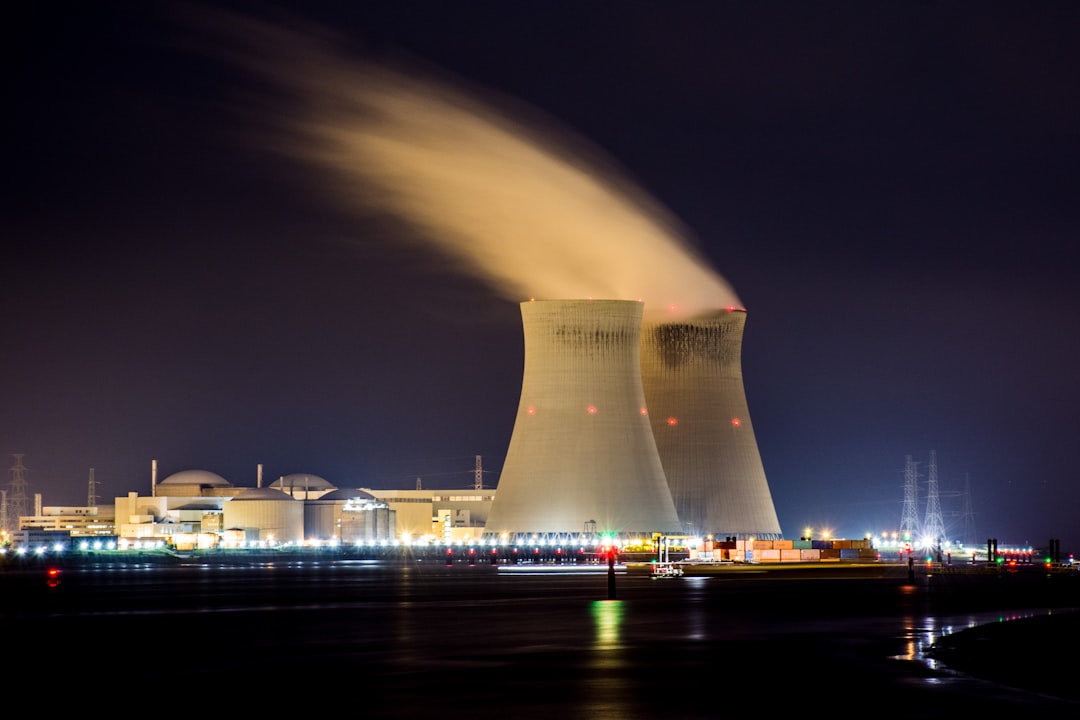
Nuclear power demand is surging as AI technologies and hyperscaler companies drive innovation and investment in the energy sector. TerraPower’s CEO recently highlighted this trend, noting that major tech firms are increasingly looking to nuclear energy to meet their growing power needs. This shift is not only reshaping energy production but also creating new opportunities for professionals in the field.
The integration of AI in energy management is transforming how nuclear power plants operate. Companies like Microsoft and Google are signing significant power purchase agreements (PPAs) with nuclear energy providers, emphasizing the need for reliable and scalable energy sources to support their vast data centers. For instance, Microsoft has committed to purchasing power from the Three Mile Island plant, while Google has partnered with Kairos to develop new nuclear technologies. This collaboration is indicative of a broader trend where tech giants are not just consumers of energy but are actively participating in the development of sustainable energy solutions.
The Role of Hyperscaler Companies in Nuclear Energy
Hyperscaler companies are playing a crucial role in the resurgence of nuclear power. Their massive energy consumption demands have led them to seek sustainable and reliable energy sources. According to data from Presenc.ai, there are currently 13 nuclear power projects underway, totaling 9.8 GW, driven by these tech giants. This includes investments from Amazon, Meta, and others, each aiming to secure long-term energy solutions that align with their sustainability goals. Notably, Meta has locked in up to 6.6 GW of nuclear power through deals with Vistra, showcasing a significant commitment to nuclear energy as a cornerstone of their operational strategy.
These investments are not just about securing energy; they are also about advancing technology. The collaboration between hyperscalers and nuclear energy providers is fostering innovation in energy management systems. For example, AI is being used to optimize the performance of nuclear reactors, enhance safety protocols, and improve energy efficiency. This technological synergy is critical as the world shifts towards cleaner energy alternatives. The International Energy Agency (IEA) has indicated that nuclear power must play a significant role in achieving net-zero emissions by 2050. As hyperscaler companies ramp up their nuclear investments, they are not only addressing their energy needs but also contributing to broader environmental objectives.
This proactive approach to energy management not only ensures reliability but also minimizes downtime, which is crucial for meeting the energy demands of data centers and other high-consumption facilities.
You may also like
 Industry & Global Trends
Broadcom Faces Increased Credit Risk Amid AI Financing Surge
Broadcom faces increased credit risk due to its heavy involvement in AI debt financing, raising concerns about its financial health and the broader tech sector's…
Read More →Moreover, these companies are leveraging their technological expertise to innovate within the nuclear sector. AI applications are being developed to monitor reactor conditions in real-time, predict maintenance needs, and enhance overall operational efficiency. This proactive approach to energy management not only ensures reliability but also minimizes downtime, which is crucial for meeting the energy demands of data centers and other high-consumption facilities. As the nuclear industry evolves, the integration of AI technologies will be essential in maintaining competitiveness and sustainability.
However, this rapid integration of AI and nuclear energy is not without its challenges. The nuclear industry faces regulatory hurdles and public perception issues that must be addressed. As hyperscaler companies advocate for nuclear energy, they must also engage with policymakers and the public to build trust and support for these initiatives. The potential for nuclear energy to contribute to climate goals must be communicated effectively to mitigate fears and misconceptions surrounding nuclear technology.
Emerging Job Roles in AI-Driven Nuclear Solutions
As the demand for nuclear power grows, so does the need for specialized skills in the workforce. Career Ahead’s analysis finds that the integration of AI in nuclear energy management is creating new job roles for nuclear engineers and energy policy analysts. These professionals will need to adapt to the evolving landscape by gaining expertise in AI technologies and data analysis. The shift towards AI-driven solutions is creating a demand for professionals who can bridge the gap between traditional nuclear engineering and modern technological advancements.
As the demand for nuclear power grows, so does the need for specialized skills in the workforce.
For nuclear engineers, this means a shift towards roles that require a strong understanding of AI applications in reactor design and operation. Engineers will increasingly be tasked with implementing AI-driven solutions that enhance safety and efficiency. This includes using machine learning algorithms to predict maintenance needs and optimize reactor performance. The need for engineers who can integrate AI into existing systems will be paramount as the industry seeks to modernize its operations.
You may also like
 Industry & Global Trends
India Inc Equity Fundraising Exceeds Rs 1.11 Lakh Crore
During this two-month period, IPOs accounted for over 40% of the total funds raised. Specifically, 20 companies have collectively raised more than ₹20,850 crore in…
Read More →Energy policy analysts will also find new opportunities as they navigate the complexities of AI and nuclear energy regulations. Their role will involve assessing the impact of AI technologies on energy policies and advocating for frameworks that support innovation while ensuring safety and compliance. This dual focus on technological advancement and regulatory oversight will be essential in shaping the future of nuclear energy. Analysts will need to stay abreast of both technological trends and regulatory changes to effectively influence policy and promote the benefits of nuclear energy.
Additionally, AI developers in the energy sector will need to focus on creating solutions tailored to the unique challenges of nuclear power. This includes developing software that integrates with existing nuclear management systems and enhances their capabilities through AI. As the industry evolves, professionals with these specialized skills will be in high demand. The intersection of AI and nuclear power not only presents opportunities for innovation but also necessitates a workforce that is adaptable and forward-thinking.
In summary, the intersection of AI and nuclear power presents significant opportunities for professionals in the energy sector. As hyperscaler companies lead the charge in nuclear investments, the demand for skilled workers in this field is set to rise. The future of energy management will require a workforce that is not only knowledgeable in traditional nuclear engineering but also proficient in AI technologies. The energy landscape is changing rapidly, driven by the convergence of AI and nuclear power. As hyperscaler companies continue to invest in nuclear energy, the implications for the workforce and the environment will unfold. How these changes will shape the future of energy production and management remains to be seen.
This includes software development that enhances existing systems through AI integration, predictive analytics, and machine learning capabilities.
Frequently Asked Questions
What are the new job opportunities for nuclear engineers with the rise of AI?
Career Ahead analysis shows that nuclear engineers will increasingly find roles focused on integrating AI technologies into reactor design and operation. These positions will require expertise in machine learning and data analysis to optimize performance and enhance safety.
How can energy policy analysts adapt to the changes brought by AI in nuclear power?
Energy policy analysts can adapt by gaining knowledge in AI applications and understanding their implications on energy regulations. They will play a crucial role in shaping policies that support innovation while ensuring compliance and safety in the nuclear sector.
What skills should AI developers in energy focus on to align with industry trends?
AI developers should focus on creating solutions tailored to nuclear energy management systems. This includes software development that enhances existing systems through AI integration, predictive analytics, and machine learning capabilities.
You may also like
 Industry & Global Trends
Lambda Secures $3 Billion for AI Cloud Expansion
Reports indicate that there is growing interest in AI infrastructure and cloud services. Lambda is part of a new wave of companies offering advanced AI…
Read More →