The layoffs are part of a broader strategy to streamline operations and adapt to evolving market demands, particularly as the industry faces increasing pressure to integrate digital technologies and
Volkswagen (VW) has announced a plan to cut 100,000 jobs as part of a major restructuring effort aimed at enhancing efficiency and transitioning towards automation. This decision, revealed by CEO Oliver Blume, marks one of the most significant workforce reductions in the automotive sector, with immediate ramifications for automotive engineers and production workers.
The layoffs are part of a broader strategy to streamline operations and adapt to evolving market demands, particularly as the industry faces increasing pressure to integrate digital technologies and reduce costs. The announcement comes at a time when VW is grappling with competitive challenges and the need to modernize its manufacturing processes. According to a report by Reuters, the company is under significant pressure to improve profitability amid rising costs and stiff competition from electric vehicle manufacturers.
Job Security Concerns for Automotive Engineers
The impending layoffs at VW raise serious concerns about job security for automotive engineers. As the company shifts its focus towards automation, many engineers may find their roles evolving or becoming redundant. Career Ahead’s analysis identifies that engineers specializing in traditional automotive design may face the greatest risk, as the industry increasingly prioritizes digital skills and automation capabilities.
Moreover, the scale of the layoffs suggests a significant recalibration of workforce needs within VW. Historically, the automotive industry has relied on a large workforce for manufacturing and assembly. However, as companies like VW invest heavily in automation technologies, the demand for traditional engineering roles may decline. Engineers will need to adapt quickly to remain relevant in this changing landscape. A report from HR Executive highlights that the shift towards electric vehicles and automated production lines necessitates a workforce that is proficient in new technologies, further complicating the job security landscape for existing engineers.
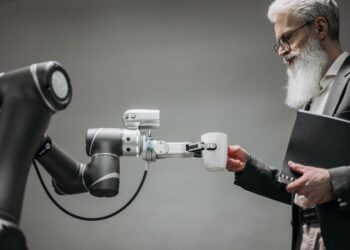
Career Ahead research finds that engineers with skills in automation, software development, and data analysis are likely to be more secure in their positions. As VW moves towards more automated systems, engineers who can design, implement, and maintain these technologies will be in high demand. This shift may require current engineers to pursue additional training or certification in these areas to enhance their employability. Furthermore, the psychological impact of potential job loss cannot be understated. Engineers may experience increased stress and anxiety as they navigate this uncertain landscape. The need for support systems, both within the organization and externally, will be crucial in helping them cope with these changes.
Career Ahead research finds that engineers with skills in automation, software development, and data analysis are likely to be more secure in their positions.
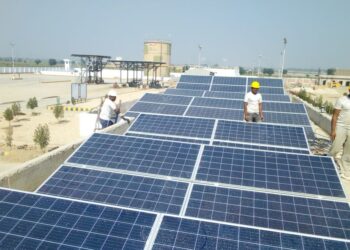
Adani Skills & Education and Kachchh University have launched a Centre of Excellence for Green Energy in Kutch, India, aimed at training over 10,000 students…
As VW embraces automation, the company is also likely to invest in new technologies that will require a different skill set. Engineers who can adapt to these changes will not only enhance their job security but also contribute to the company’s innovation efforts. The transition may also lead to the emergence of new roles within the organization, focusing on areas such as artificial intelligence and machine learning, which are becoming increasingly integral to automotive engineering.
Retraining Opportunities for Production Workers
For production workers at VW, the announcement of 100,000 job cuts presents both challenges and opportunities. While many may face job loss, there is potential for retraining initiatives aimed at equipping workers with the skills necessary for the future automotive landscape. The company has indicated a commitment to supporting affected employees through various retraining programs.
Career Ahead’s analysis highlights that production workers who can transition to roles focused on automation and technology will be better positioned for future employment. As manufacturing processes become increasingly automated, workers with skills in robotics, machine operation, and software management will find new opportunities within the industry. VW’s restructuring plan may involve partnerships with educational institutions and training organizations to facilitate these retraining efforts. Programs that focus on upskilling workers in emerging technologies could mitigate some of the negative impacts of the layoffs. Workers who take advantage of these programs may find themselves transitioning into roles that are not only secure but also more rewarding.
However, the effectiveness of these retraining initiatives will depend on their accessibility and the willingness of workers to engage with them. It will be essential for VW to communicate clearly about available opportunities and provide adequate support for workers to navigate this transition. The company’s commitment to retraining is crucial, as it not only helps workers adapt but also ensures that VW retains a skilled workforce capable of meeting future demands. As highlighted by HR Executive, the automotive industry is evolving rapidly, and companies that invest in their workforce will likely emerge stronger in the long run.
Additionally, the layoffs may prompt VW to explore alternative manufacturing locations that offer lower labor costs or more favorable regulatory environments. This could lead to a reconfiguration of the global supply chain, with potential implications for jobs in regions that have traditionally been strongholds for automotive manufacturing. The future of VW’s workforce and supply chain remains uncertain. As the company navigates these changes, the impact on automotive engineers and production workers will be closely monitored. The industry is at a crossroads, and the decisions made in the coming months will shape its trajectory for years to come.
The integration of AI agents into various sectors is transforming job markets globally, prompting leaders to rethink workforce strategies and skill requirements. This shift raises…
The company’s commitment to retraining is crucial, as it not only helps workers adapt but also ensures that VW retains a skilled workforce capable of meeting future demands.
As VW embarks on this significant restructuring, the automotive industry watches closely. The decisions made now will not only affect the company’s future but also set a precedent for how other automakers approach similar challenges in a rapidly evolving market.
Frequently Asked Questions
What should automotive engineers at VW do to prepare for potential layoffs?
Automotive engineers at VW should consider enhancing their skills in automation and digital technologies. Career Ahead analysis suggests that engineers who adapt to the changing landscape will be more secure in their roles.
How can production workers at VW seek retraining opportunities?
Production workers at VW can explore retraining programs offered by the company, which may include partnerships with educational institutions. Engaging in these programs will help them acquire skills relevant to the future of work in the automotive industry.
What are the implications of VW’s layoffs on the automotive industry as a whole?
The implications of VW’s layoffs extend beyond the company itself. The restructuring may prompt other automakers to reevaluate their workforce needs and strategies, potentially leading to similar job cuts across the industry as companies adapt to automation and digitalization.




Future Skills & Work

Future Skills & Work