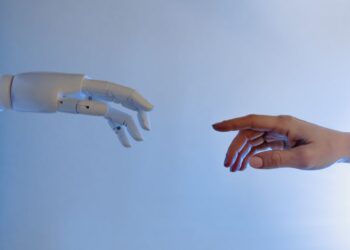
AI‑generated art is prompting a systemic re‑evaluation of career capital for designers, illustrators, and musicians, while the global art market eyes a multi‑trillion‑dollar horizon.UNESCO warns that the technology simultaneously democratizes creation and destabilizes traditional notions of authorship.
The convergence of advanced generative models and expanding cultural expectations creates an inflection point for creative labor. Institutional power is shifting from gate‑keeping curators to algorithmic platforms, compelling professionals to re‑skill and negotiate new ownership frameworks. This analysis dissects the structural mechanics, systemic repercussions, and stakeholder adaptations that define the current trajectory.
Framing the structural shift in creative economies
AI‑generated art is catalyzing a redistribution of cultural capital that challenges long‑standing market hierarchies. The UNESCO independent expert group notes that algorithmic tools lower entry barriers, enabling broader participation while eroding the monopoly of formally trained artists. This democratization expands the talent pool but also compresses the premium attached to traditional credentials, reshaping the economics of reputation. A review of generative AI’s impact on creative professionals highlights that firms are already integrating AI‑assisted workflows, prompting a surge in hybrid skill sets that blend artistic judgment with prompt engineering. Consequently, career trajectories now hinge on fluency with machine‑learning interfaces as much as on portfolio depth.
Core mechanism: algorithmic creativity and data bias
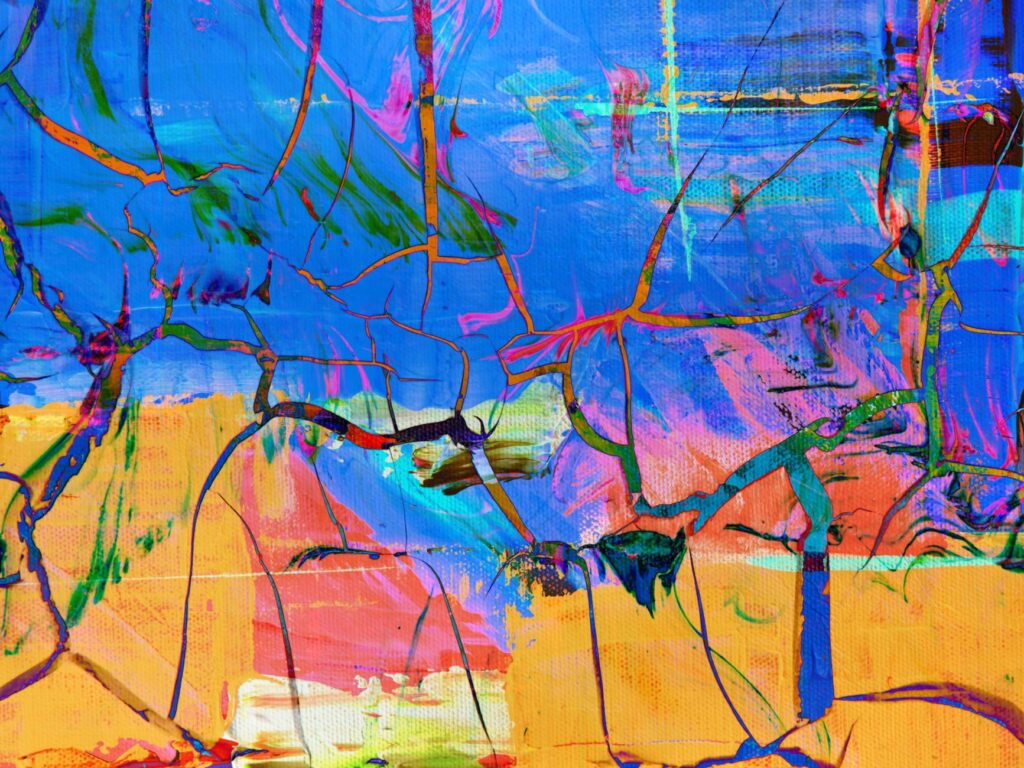
AI art reshapes creative professions and cultural landscape
The decisive engine behind AI art is large‑scale machine learning that ingests diverse visual corpora to synthesize novel outputs. Neural style transfer and diffusion models generate works that mimic, remix, or transcend human styles, redefining the boundary of creativity. However, the quality and cultural resonance of these outputs are bounded by the training data’s composition. The Impact of Generative AI review warns that entrenched biases in datasets can reproduce dominant aesthetic norms, marginalizing under‑represented visual cultures. According to Career Ahead’s analysis of the UNESCO report, this feedback loop intensifies power asymmetries between data‑rich platforms and independent creators, compelling the latter to either secure proprietary datasets or risk cultural homogenization.
AI-generated art is not redefining the boundaries of human creativity.
Systemic implications for institutions and markets
The rise of algorithmic authorship forces legal, economic, and governance frameworks to adapt. Copyright regimes, historically anchored in human originality, now grapple with machine‑originated works, prompting policy debates across jurisdictions. Market analysts observe that auction houses are allocating dedicated sections for AI pieces, signaling institutional endorsement that can legitimize algorithmic creators in the eyes of collectors. Simultaneously, the cross‑cultural attitudes study documents a measurable split: regions with strong intellectual‑property enforcement tend to adopt cautious regulatory stances, while more open markets embrace AI art as a catalyst for innovation. This divergence creates parallel ecosystems where valuation standards, provenance verification, and patronage models evolve unevenly, influencing where talent clusters and how capital flows.
Impact on human capital and stakeholder adaptation
AI art reshapes creative professions and cultural landscape
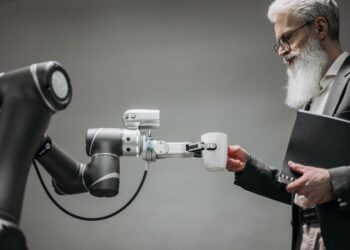
Creative professionals are confronting a re‑weighting of skill hierarchies, where prompt engineering, data curation, and ethical oversight become core competencies. The review of generative AI indicates that freelancers who integrate AI tools report higher project throughput, while traditional studios that resist adoption face declining market share. Educational institutions are launching curricula that blend fine‑arts fundamentals with computational design, reflecting a systemic shift in talent pipelines. Moreover, unions and guilds are negotiating new contract clauses that address AI‑assisted output ownership, aiming to preserve career capital for their members. The net effect is a bifurcated labor market: adaptable creators capture emerging premium rates, whereas those unable to upskill encounter wage compression.
Projected trajectory over the next three to five years
In the medium term, AI‑enhanced creation is expected to account for a growing share of high‑value art sales, as collectors increasingly value the novelty of algorithmic provenance. Platform providers will likely standardize attribution metadata, embedding provenance trails that reconcile machine contribution with human oversight. Policy reforms, driven by UNESCO’s recommendations, may introduce hybrid copyright categories that allocate royalties between artists and model developers. As these mechanisms mature, the career calculus for creative professionals will tilt toward multidisciplinary fluency, with AI literacy becoming a prerequisite for leadership roles in studios and cultural institutions.
The evolving interplay between algorithmic generation and human expression will reshape how cultural value is created, claimed, and compensated, underscoring the urgency for professionals to recalibrate their career strategies in line with systemic change.
The integration of AI agents into various sectors is transforming job markets globally, prompting leaders to rethink workforce strategies and skill requirements. This shift raises…
A review of generative AI’s impact on creative professionals highlights that firms are already integrating AI‑assisted workflows, prompting a surge in hybrid skill sets that blend artistic judgment with prompt engineering.
Key Structural Insights
Insight 1: AI‑generated art redistributes cultural capital, diminishing the premium on traditional credentials while elevating algorithmic fluency as a core career asset.
Insight 2: Training‑data bias entrenches existing aesthetic hierarchies, compelling creators to secure proprietary datasets or risk cultural homogenization.
Insight 3: Emerging hybrid copyright regimes and standardized provenance metadata will define the next wave of value capture for both artists and AI platform owners.
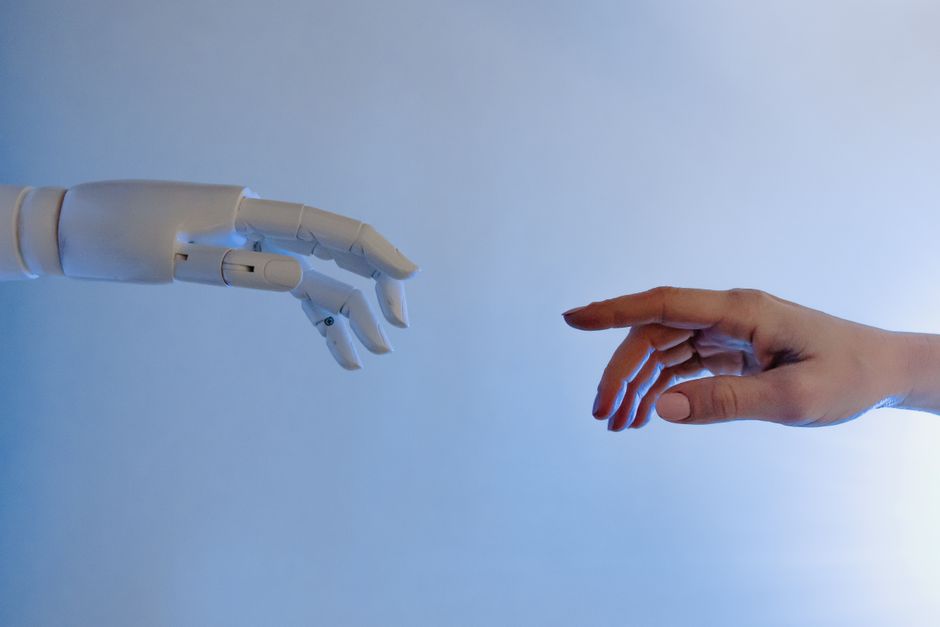
Redefining Artistic Authenticity: The integration of AI-generated art challenges traditional notions of artistic authenticity, forcing creative professionals to reevaluate their roles and the value they bring to the creative process, ultimately blurring the lines between human and machine creativity.
Cultural Homogenization Concerns: The widespread adoption of AI-generated art raises concerns about cultural homogenization, as the reliance on algorithmic creativity may lead to a loss of unique cultural perspectives and the suppression of diverse artistic voices, threatening the richness of global cultural heritage.




 Future Skills & Work
Future Skills & Work