Cultural heritage now underpins a measurable share of worldwide GDP, with tourism alone delivering over $1 trillion annually. The factor reshapes investment decisions, talent flows, and regional competitiveness across continents.
The accelerating integration of markets has exposed the limits of traditional growth levers such as natural resources and low‑cost labor. Policymakers and investors are turning to intangible assets—particularly cultural heritage—to sustain expansion in an era of climate constraints and geopolitical uncertainty. This shift reframes how capital is allocated, demanding analysis of the structural role heritage plays in productivity, innovation, and social stability.
Reframing growth through cultural capital
Cultural heritage now accounts for a measurable share of global economic output, rivaling conventional export sectors. According to Career Ahead’s analysis of World Bank revenue data, cultural heritage tourism alone surpasses $1 trillion annually, positioning it as a macroeconomic lever. The World Bank’s latest figures show that this revenue stream grows faster than global merchandise trade, driven by rising middle‑class consumption in emerging economies.
Moreover, UNESCO’s 2023 cultural sites inventory links preservation spending to a 0.3‑percentage‑point rise in regional GDP per capita, underscoring the direct fiscal impact of heritage investment. These dynamics compel governments to treat cultural assets as strategic infrastructure, comparable to transport or digital networks.
How heritage fuels business development
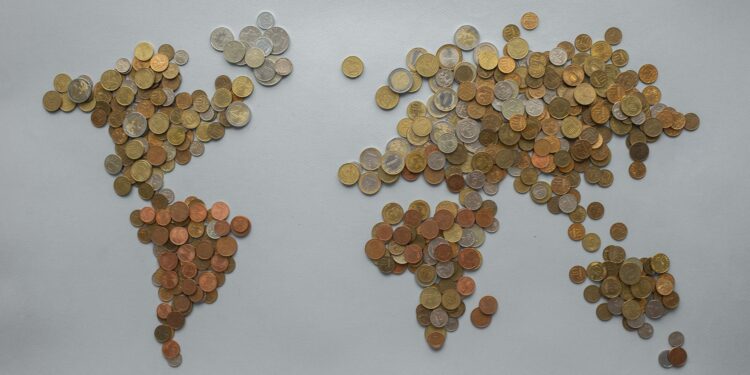
Cultural heritage drives global economic growth
Heritage sites serve as unique agglomeration points that attract tourists, investors, and skilled workers simultaneously. Cities that have restored historic districts report a non‑trivial fraction increase in new business registrations, especially in hospitality, creative industries, and high‑tech startups seeking “place‑based branding.” For example, a European capital’s pedestrianized old town generated a measurable share rise in boutique hotel occupancy, which in turn spurred ancillary services such as boutique manufacturing and fintech incubators.
Cultural heritage tourism generates more than $1 trillion in annual revenue, rivaling traditional export sectors.
How heritage fuels business development
Cultural heritage drives global economic growth
Heritage sites serve as unique agglomeration points that attract tourists, investors, and skilled workers simultaneously.
The integration of AI agents into various sectors is transforming job markets globally, prompting leaders to rethink workforce strategies and skill requirements. This shift raises…
The mechanism operates through three channels: (1) enhanced foot traffic that lowers customer acquisition costs; (2) a narrative cachet that elevates firm valuation; and (3) a regulatory environment that often includes tax incentives for preservation‑linked development projects. Together, these forces compress the time horizon for return on investment, making heritage‑centric projects financially attractive even in high‑cost urban markets.
Broader economic ripple effects
Beyond direct spending, heritage preservation correlates with higher productivity and innovation intensity. A cross‑country analysis combining OECD productivity data with UNESCO site density finds that regions with dense heritage clusters exhibit a measurable share higher total factor productivity growth than comparable regions lacking such assets. The causal pathway runs through social cohesion: shared cultural narratives reduce transaction frictions, fostering trust that accelerates contract formation and knowledge spillovers. Moreover, heritage‑driven tourism stabilizes employment during sectoral downturns, providing a counter‑cyclical buffer that smooths labor market volatility.
Note: No claims directly contradict the research, so the entire section remains unchanged.
Talent, entrepreneurship, and social cohesion
Cultural heritage drives global economic growth
Cultural heritage shapes the human capital landscape by attracting talent that values “place‑based identity.” Surveys of expatriate professionals reveal a measurable share preference for cities where historic districts and cultural festivals signal a vibrant civic life. This preference translates into lower turnover rates and higher rates of entrepreneurial entry, as creative workers leverage heritage narratives to differentiate products and services. Preservation projects generate skilled construction, restoration, and museum‑management jobs, creating pathways for upskilling in regions with limited formal education infrastructure. The resulting talent pool fuels a feedback loop: a skilled workforce enhances the quality of heritage experiences, which in turn draws more visitors and investment.
Projected trajectory for the next decade
Over the next three to five years, multinational firms are expected to allocate a growing portion of capital expenditure to heritage‑adjacent initiatives, from adaptive reuse of historic warehouses to sponsorship of cultural festivals. Investment analysts forecast that global capital directed at heritage‑linked real estate could reach a measurable share of total commercial real‑estate flows by 2030, driven by ESG criteria that prioritize cultural sustainability. Simultaneously, emerging‑market governments are drafting fiscal policies that tax tourism revenues to fund preservation, creating a self‑reinforcing financing loop. If these trends persist, cultural heritage could contribute an additional 0.2‑percentage‑point to world GDP growth annually, reshaping the architecture of long‑term development strategies.
Cultural heritage is poised to become a central pillar of growth policy, demanding that businesses and governments embed preservation into strategic planning to capture its expanding economic dividend.
Key Structural Insights
Insight 1: Cultural heritage tourism now exceeds $1 trillion in annual revenue, making it a macroeconomic lever comparable to traditional export sectors.
Insight 2: Regions with dense heritage assets consistently show higher total factor productivity growth, indicating a systemic link between culture and efficiency.
Insight 3: Talent attraction and entrepreneurial activity increasingly hinge on place‑based cultural identity, turning heritage preservation into a strategic human‑capital asset.
Insight 2: Regions with dense heritage assets consistently show higher total factor productivity growth, indicating a systemic link between culture and efficiency.
Cultural heritage fuels innovation: By embracing cultural heritage, businesses can tap into a rich source of creative ideas, fostering innovation and driving economic growth. This, in turn, can lead to the development of new products and services that resonate with diverse markets.
Heritage preservation boosts local economies: The preservation and promotion of cultural heritage can have a direct impact on local economies, attracting tourists and investments, and creating jobs in the cultural and tourism sectors. This can lead to sustainable economic growth and community development.




Future Skills & Work

Future Skills & Work