No products in the cart.

AI Becomes a Key Teammate in Future Workplaces

This article explores the implications of treating AI as a teammate, focusing on its impact on team dynamics, productivity, and ethical considerations.

AI’s Role in Modern Workplaces
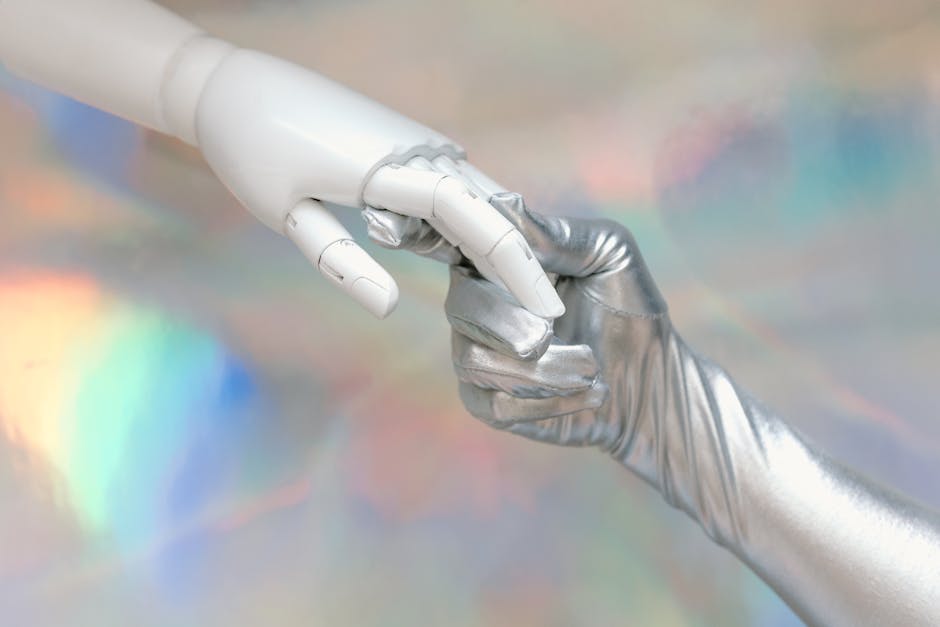
Artificial intelligence has transitioned from a futuristic concept to a vital component of our work environments. As organizations increasingly adopt AI tools, a pivotal question arises: should we treat AI like a teammate? This question is essential as AI’s capabilities expand, influencing team operations and interactions. The integration of AI into workplace dynamics presents both opportunities and challenges that warrant careful consideration.
According to a recent article on hbr.org, treating AI as a teammate can enhance productivity and creativity. Companies that embrace AI tools often find that these technologies complement human efforts, enabling more efficient workflows. For instance, AI can manage repetitive tasks, allowing human workers to concentrate on strategic decision-making and creative problem-solving.
However, transitioning to a mindset that views AI as a collaborative partner requires significant adjustments. Employees must learn to communicate effectively with AI systems and recognize their limitations. This shift is not merely about technology adoption; it involves cultivating a culture of collaboration between humans and machines.
Emphasizing Collaboration Over Competition
The core principle of treating AI as a teammate is fostering collaboration rather than competition. Organizations that prioritize collaboration between human workers and AI systems are likely to reap substantial benefits, including improved team morale and enhanced overall performance.
hbr.org emphasizes that successful AI integration hinges on clear communication and trust. When team members understand how AI operates and its role in their tasks, they are more inclined to embrace it as a valuable partner. This trust is crucial for maximizing AI’s potential in enhancing team dynamics.
Moreover, promoting a collaborative environment can alleviate concerns about job displacement due to AI. By highlighting AI’s supportive role, organizations can reassure employees that these technologies are designed to augment their capabilities, not replace them.
hbr.org emphasizes that successful AI integration hinges on clear communication and trust.
Insights on AI’s Impact on Productivity
You may also like
 Entrepreneurship & Business
Meet the eight startups pitching
Australia's Startup Battlefield showcases eight innovative startups vying for investment opportunities in AI, health tech, and workforce management, reflecting a growing tech ecosystem poised for…
Read More →The influence of AI on workplace productivity is backed by various studies. A report from the McKinsey Global Institute indicates that AI could contribute $13 trillion to the global economy by 2030, significantly boosting productivity across industries. This economic potential underscores the necessity of effectively integrating AI into team structures.
Businesses that have adopted AI tools generally report efficiency improvements, particularly in data analysis. This capability enables teams to respond more adeptly to market changes and customer needs.
Despite these advantages, organizations must approach AI integration cautiously. As noted in a piece from entrepreneur.com, ethical considerations surrounding AI use—particularly regarding data privacy and decision-making transparency—are paramount. Ensuring that AI systems operate within ethical boundaries is essential for maintaining trust among team members.
Navigating Challenges in AI Adoption
While the benefits of treating AI as a teammate are clear, challenges remain. A significant concern is the potential for over-reliance on AI systems. As teams grow accustomed to AI support, there is a risk of neglecting critical thinking and problem-solving skills, leading to diminished human input in decision-making processes.
Organizations must invest in training and development to ensure that all employees can effectively work alongside AI.
Additionally, the ethical implications of AI in the workplace continue to spark debate. Critics argue that treating AI as a teammate blurs the lines between human and machine roles. According to admiredleadership.substack.com, leaders must navigate this delicate balance to ensure that AI complements human efforts without overshadowing them.
Another challenge stems from varying levels of AI literacy among employees. Not all team members may feel comfortable collaborating with AI, resulting in disparities in productivity and engagement. Organizations must invest in training and development to ensure that all employees can effectively work alongside AI.
Preparing for an AI-Driven Future
You may also like
 Entrepreneurship & Business
Four Top Google A.I. Researchers Form New Start
The formation of a new AI startup by four top Google researchers, led by Jeff Dean, signifies a pivotal moment in the artificial intelligence landscape,…
Read More →The future of work is closely linked to AI technology. As AI continues to evolve, its role in team dynamics will expand, presenting new opportunities for collaboration. Organizations that proactively adapt to these changes will be better positioned to thrive in an increasingly competitive landscape.
In the coming years, we can anticipate more sophisticated AI systems capable of understanding human emotions and providing personalized support. This advancement could further enhance AI’s collaborative potential in the workplace. Companies that embrace this evolution will likely gain a competitive edge by leveraging AI’s full capabilities to drive innovation.

However, organizations must remain vigilant regarding the ethical implications of AI adoption. Striking a balance between utilizing AI’s capabilities and ensuring ethical considerations will be crucial for sustainable growth. As highlighted by hbr.org, fostering an ethical framework for AI use will be vital in maintaining trust among team members and stakeholders.
Essential Skills for the AI Era The integration of AI into team dynamics will significantly shape career paths for many professionals.
Essential Skills for the AI Era
The integration of AI into team dynamics will significantly shape career paths for many professionals. As AI becomes more prevalent, workers will need to develop new skills to succeed in this evolving landscape. Skills such as data literacy, emotional intelligence, and adaptability will become increasingly important.
Moreover, understanding how to collaborate effectively with AI will be a valuable asset in the job market. Professionals who can navigate the complexities of AI integration will be well-positioned for success. Organizations will seek individuals who can bridge the gap between human creativity and AI efficiency.
In summary, treating AI as a teammate presents both opportunities and challenges. By fostering collaboration and addressing ethical considerations, organizations can harness AI’s power to enhance team dynamics and drive productivity. The future of work is promising for those who embrace this shift and adapt to the changing landscape.
You may also like
 Entrepreneurship & Business
River Secures $120M to Expand EV Production and Models
River, founded in 2021, has carved out a niche in the electric two-wheeler segment with its flagship model, the Indie.
Read More →