No products in the cart.

AI Transforms Workplace Dynamics as Team Player
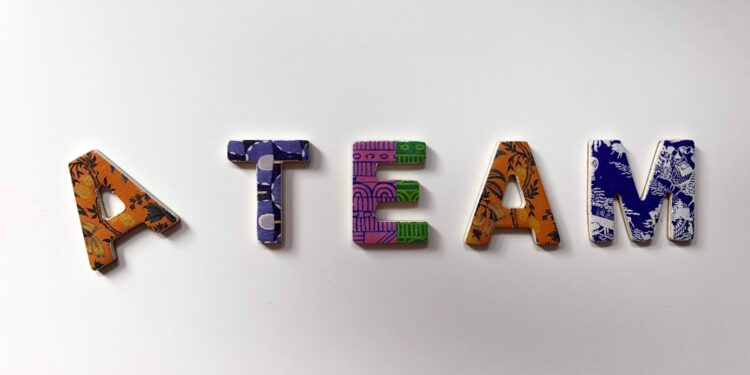
This article explores the evolving role of AI in the workplace, emphasizing its potential as a collaborative teammate that enhances productivity and team dynamics.

In an era dominated by rapid technological advancements, the workplace is undergoing a significant transformation. Companies are increasingly integrating artificial intelligence (AI) into their daily operations. This shift raises a critical question: Should we treat AI as a teammate? The answer could redefine team dynamics and productivity in profound ways.
AI’s Evolving Role in Teams
AI is no longer just a tool; it is becoming an integral part of many teams. According to a recent article from Harvard Business Review, treating AI as a colleague can enhance collaboration and productivity. This perspective invites organizations to rethink how they interact with AI systems, emphasizing the need for a cooperative approach to maximize benefits.
AI systems are now capable of engaging in complex tasks that require collaboration. For example, AI can assist in project management by tracking deadlines, managing resources, and providing insights based on data analysis. This capability allows human team members to focus on strategic tasks while AI handles repetitive or data-intensive activities.
Moreover, AI’s ability to learn from interactions enhances its effectiveness as a teammate. As highlighted by Harvard Business Review, AI systems can adapt to team preferences and workflows, creating a more seamless integration into existing team structures. This adaptability fosters a sense of partnership, where AI is seen not just as a tool but as a collaborative entity that contributes to team goals.
However, the integration of AI into teams also presents challenges. There is a growing concern about trust and communication between human workers and AI systems. For AI to be effective as a teammate, clear communication and understanding of its capabilities are essential. Without this, misunderstandings can arise, leading to frustration and inefficiencies.
Companies must invest in training programs that educate employees about AI capabilities and limitations. This training can help bridge the gap between human and AI interactions, fostering a more collaborative environment.
This cultural mindset is crucial for maximizing the potential of AI in the workplace.
Cultural Shifts in Embracing AI
Integrating AI into the workplace is not just a technical challenge; it is also a cultural shift. Organizations need to cultivate a culture that embraces AI as a valuable member of the team. According to Admired Leadership, treating team members—human or AI—as integral parts of a cohesive unit can enhance trust and collaboration. This cultural mindset is crucial for maximizing the potential of AI in the workplace.
You may also like
 Entrepreneurship & Business
Startups Captivating VCs at PearX Demo Day
The PearX program is renowned for its selective nature, capping its cohorts at just 20 startups. This approach facilitates focused mentorship and investment opportunities from…
Read More →Establishing an inclusive environment where AI is seen as a partner can lead to greater innovation and productivity. Teams that successfully integrate AI often report improved morale and job satisfaction, as employees feel supported by technology that enhances their capabilities rather than replaces them.
Moreover, fostering a positive attitude towards AI can help mitigate fears about job displacement. By framing AI as a collaborator rather than a competitor, organizations can encourage employees to embrace new technologies and adapt to changing roles. This shift in perspective is essential for a smooth transition into an AI-enhanced workplace.
In this new culture, leaders play a critical role. They must model the behavior they wish to see, demonstrating how to effectively collaborate with AI systems. Leadership training programs should include components on AI integration to prepare managers for this evolving landscape.
Addressing Challenges of AI Integration
Despite the potential benefits, the integration of AI into teams is fraught with challenges. One major concern is the potential for bias in AI systems. If not properly managed, AI can perpetuate existing biases present in training data, leading to unfair outcomes in decision-making processes. It is essential for organizations to implement rigorous testing and evaluation processes to ensure AI systems operate fairly and transparently.
Additionally, there is the issue of data privacy and security. As AI systems often require access to sensitive information, organizations must prioritize data protection to maintain trust among employees and clients. This involves not only technical safeguards but also clear policies on data usage and privacy.
Another challenge is the need for continuous learning and adaptation.
Another challenge is the need for continuous learning and adaptation. AI technologies are rapidly evolving, and teams must stay informed about the latest developments to leverage their full potential. This requires ongoing training and a willingness to adapt to new tools and processes.
You may also like
 Entrepreneurship & Business
Founders Face Open vs Closed AI Dilemma
Founders now see that selecting an AI model is more than just a technical choice. It is a core part of their business strategy. The…
Read More →Organizations can address these challenges by fostering a culture of continuous improvement. Encouraging feedback and open communication about AI experiences can help teams identify issues and develop solutions collaboratively.
Navigating Ethical Considerations
The conversation around AI as a teammate is not without its contradictions. While many advocate for the integration of AI in teams, others express concerns about over-reliance on technology. Critics argue that an excessive focus on AI could undermine human creativity and intuition, which are crucial for problem-solving and innovation.
Furthermore, there is an ongoing debate about the ethical implications of AI in the workplace. Questions arise about accountability when AI systems make decisions that impact human lives. Who is responsible for the outcomes of AI-driven decisions? This debate highlights the need for clear guidelines and ethical frameworks governing AI use in organizations.

Moreover, the effectiveness of AI varies across different industries and tasks. While AI may excel in data-heavy environments, its impact in creative fields is still being explored. This variability raises questions about the universality of treating AI as a teammate.
Companies must prioritize ethical considerations, data security, and the continuous development of their workforce to ensure a successful transition.
To navigate these contradictions, organizations must engage in ongoing discussions about the role of AI in their specific contexts. This involves considering the unique needs and challenges of their teams and industries.
Preparing for an AI-Enhanced Future
The future of AI in the workplace looks promising, but it requires careful navigation. As AI technologies continue to advance, their integration into teams will likely deepen. Organizations that embrace AI as a teammate can expect to see significant improvements in efficiency and collaboration.
You may also like
 Entrepreneurship & Business
Razorpay Partners with OpenAI to Bring ChatGPT Ads to Indian Brands
Razorpay's partnership with OpenAI to introduce ChatGPT Ads marks a significant shift in how Indian brands approach digital marketing. This move opens new avenues for…
Read More →However, this future is contingent on addressing the challenges and contradictions that accompany AI integration. Companies must prioritize ethical considerations, data security, and the continuous development of their workforce to ensure a successful transition.
Ultimately, the successful integration of AI into teams will depend on the willingness of organizations to invest in training, culture, and ethical considerations. Those that do will likely find themselves at the forefront of a new era of workplace collaboration.