No products in the cart.

AI Boom Drives Samsung to $1 Trillion Valuation
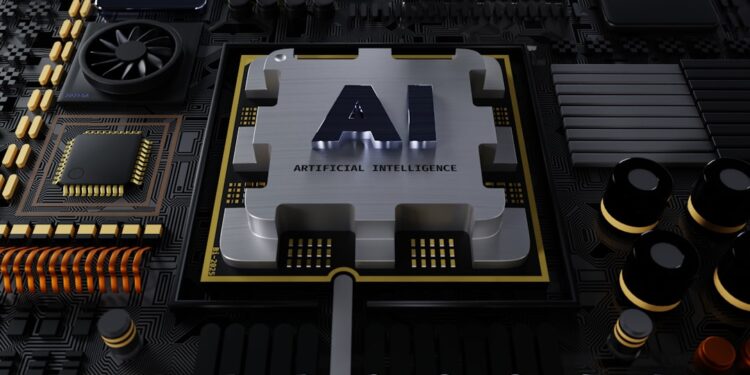
Samsung's valuation skyrocketed to $1 trillion, driven by the AI boom. This surge highlights the demand for semiconductors and the future of tech jobs.

AI Surge Fuels Samsung’s Growth
The world is witnessing an unprecedented surge in artificial intelligence (AI) technologies, reshaping entire industries. Samsung, a giant in the semiconductor market, has recently reached a $1 trillion valuation, marking a significant milestone in its corporate history. This leap is largely attributed to the skyrocketing demand for memory chips essential for AI applications. As companies increasingly rely on AI, the need for high-performance semiconductors has never been greater.
Samsung’s stock price surged over 10% following an impressive earnings report, which revealed profits eight times higher than the same period last year. This remarkable performance highlights how the AI boom has become a driving force behind the company’s financial success. The demand for high-bandwidth memory (HBM) chips, critical for AI systems, has led to soaring prices and increased margins for Samsung.
According to Samsung’s AI Strategy, the company’s focus on AI technologies across its product lines has significantly enhanced its market confidence. By investing in AI, Samsung is not only boosting its product offerings but also positioning itself as a leader in the semiconductor industry.
Market Dynamics and Competitive Landscape
The semiconductor industry is experiencing a seismic shift due to AI. Samsung, along with its rivals SK Hynix and Micron, is grappling with a chip shortage caused by overwhelming demand from AI data centers. These companies are reallocating investments from consumer chips to HBM production, which offers higher profit margins. This shift underscores the urgency for semiconductor manufacturers to adapt to the evolving market landscape driven by AI.
Recent reports indicate that Apple is exploring partnerships with Samsung and Intel to manufacture chips in the U.S. This potential collaboration could significantly alter the global semiconductor supply chain, traditionally dominated by TSMC in Taiwan. If Samsung secures this deal, it would not only bolster its market position but also reshape how tech companies approach chip production.
Despite the positive outlook, Samsung faces intense competition. Rivals like SK Hynix are aggressively pursuing the same lucrative AI market, putting pressure on Samsung to maintain its edge. This competitive landscape raises questions about sustainability and long-term profitability in an industry characterized by rapid innovation and shifting demands.
Challenges Amidst Success While Samsung celebrates its achievements, challenges loom on the horizon.
Challenges Amidst Success
You may also like
 Entrepreneurship & Business
X Introduces Original Content Rewards Program for Creators
Elon Musk's X has launched the Original Content Rewards Program, replacing the previous Revenue Sharing Programme. This initiative aims to incentivize creators to produce original…
Read More →While Samsung celebrates its achievements, challenges loom on the horizon. Workers are threatening an 18-day strike, demanding a larger share of the profits generated from the AI boom. This potential labor unrest could disrupt operations and impact Samsung’s ability to meet growing demand for its products. Balancing employee satisfaction with corporate profitability will be crucial for Samsung as it navigates this complex landscape.
Moreover, Samsung’s other divisions, such as mobile and television, are feeling the pinch from rising chip prices. The same memory chips that are boosting Samsung’s profits are also increasing costs for its consumer electronics. This duality poses a significant challenge for the company, as it must manage profitability while ensuring competitive pricing for its consumer products.
According to Semiconductor Digest, the semiconductor industry is at a crossroads. Companies must innovate rapidly to keep pace with AI advancements while managing supply chain constraints. Samsung’s ability to adapt to these challenges will determine its future success in the market.
Global Context and Economic Implications
The AI boom is not just a local phenomenon; it has global implications. As countries invest heavily in AI technologies, the demand for semiconductors is expected to rise exponentially. This trend is reshaping the economic landscape, with countries vying for dominance in the AI and semiconductor sectors. South Korea, through Samsung, is positioning itself as a key player in this global race.
In light of these developments, Samsung’s success could serve as a model for other companies looking to capitalize on the AI boom.
The increasing reliance on AI across various industries, from healthcare to finance, emphasizes the need for robust semiconductor supply chains. Countries are recognizing that control over semiconductor production is crucial for national security and economic stability. This realization is prompting governments to support domestic semiconductor manufacturing initiatives.
In light of these developments, Samsung’s success could serve as a model for other companies looking to capitalize on the AI boom. The interplay between AI advancements and semiconductor production will likely drive economic growth and innovation in the coming years. Companies that can navigate this landscape effectively will emerge as leaders in the global economy.
Contradictions and Debates
You may also like
 Entrepreneurship & Business
Indian Startup Success Driven by Ex-Entrepreneurs
The prevailing belief that ex‑founders automatically boost Indian startups is more myth than fact. We unpack the data, expose the overestimated Ex‑Entrepreneur Effect, and reveal…
Read More →Despite the optimistic outlook, there are ongoing debates about the sustainability of the AI-driven semiconductor boom. Some analysts question whether the current demand for semiconductors will remain stable as the initial excitement around AI technologies begins to wane. There are concerns that over-reliance on AI could lead to market volatility, particularly if consumer expectations shift.
Furthermore, the competitive pressures in the semiconductor industry raise questions about pricing strategies. Companies may resort to aggressive pricing to capture market share, which could undermine profitability. This potential contradiction between growth and profitability poses a significant challenge for Samsung and its competitors.

Additionally, labor disputes highlight the tension between corporate profits and employee welfare. As Samsung’s profits soar, workers demand a fairer distribution of these gains. This debate is emblematic of broader discussions about income inequality and the responsibilities of corporations in the modern economy.
As companies invest in AI technologies, the demand for skilled workers in engineering, data science, and AI development will grow.
Risks, Trade-Offs, and What Comes Next
Looking ahead, the future of Samsung and the semiconductor industry appears promising yet uncertain. The ongoing demand for AI technologies will likely continue to drive growth in the semiconductor sector. However, companies must remain vigilant in addressing challenges such as labor unrest, supply chain disruptions, and market volatility.
For young professionals and job seekers, the rise of AI and semiconductors presents exciting career opportunities. As companies invest in AI technologies, the demand for skilled workers in engineering, data science, and AI development will grow. This shift underscores the importance of education and training in these fields, as the workforce adapts to meet the needs of an evolving job market.
In summary, Samsung’s journey to a $1 trillion valuation is a testament to the transformative power of AI. The interplay between technology and market dynamics will shape the future of the semiconductor industry, offering both challenges and opportunities for the workforce.
You may also like
 Entrepreneurship & Business
Investors Question Musk’s Space Ambitions Amid Financial Woes
Investor sentiment is shifting, with growing doubts about Elon Musk's ambitious plans for SpaceX. As financial concerns escalate, the implications for tech startups and entrepreneurs…
Read More →