No products in the cart.

AI Boom Set to Drive Singapore Growth as High as 5.5% This Year

Singapore's economic growth forecast for 2026 has been upgraded to 5.5%, driven by a surge in AI technologies. This transformation is reshaping industries, especially manufacturing, and creating new job roles that require advanced skills in data analytics and machine learning.

Singapore’s economic growth forecast for 2026 has been upgraded to 5.5%. This change is driven by a surge in artificial intelligence (AI) technologies. The Ministry of Trade and Industry announced this adjustment on August 11, 2026. They highlighted how AI is enhancing trade and manufacturing sectors. This revision follows a previous estimate of 2% to 4% growth set earlier this year, showing AI’s profound impact on the economy.
This surge in GDP growth is not just a statistic; it marks a major shift in Singapore’s economy. The AI boom is reshaping industries, especially manufacturing. This sector is expected to use advanced data analytics and machine learning to boost productivity and efficiency. As a result, the demand for skilled professionals in these areas will increase significantly.
AI’s Role in Transforming Manufacturing
The manufacturing sector is on the verge of a revolution due to AI technologies. Companies globally are adopting AI-driven solutions to streamline operations, improve product quality, and cut costs. According to Career Ahead’s analysis of data from the Ministry of Trade and Industry, AI applications could boost manufacturing productivity by up to 30% in the coming years. A report from the Singapore Business Review supports this, noting that the AI boom will enhance operational efficiencies and foster innovation.
This transformation is creating new job roles, especially for manufacturing engineers. These professionals will need to adapt to new technologies, focusing on AI systems that analyze data and optimize production. The shift toward smart manufacturing will require engineers to develop skills in machine learning, data analytics, and automation. There is also a growing demand for data scientists who can interpret complex data sets and provide actionable insights. The Singapore Business Review notes that the AI boom is expected to create thousands of new jobs in data analysis and AI system management.
Career Ahead has identified that the rapid growth of AI in manufacturing will enhance job opportunities. It will also require a workforce skilled in these technologies. As companies rely more on data-driven decision-making, skilled professionals who can bridge engineering and data science will be crucial. The integration of AI is expected to create a more collaborative work environment, where engineers and data scientists work closely together to drive innovation.
Success stories like this will likely encourage more firms to invest in AI technologies, increasing demand for skilled workers.
For example, a local manufacturing firm recently integrated AI into its supply chain management. The company reported a 25% reduction in operational costs within six months. This demonstrates the tangible benefits of AI adoption. Success stories like this will likely encourage more firms to invest in AI technologies, increasing demand for skilled workers. The Ministry of Trade and Industry’s report indicates that as AI technology becomes more accessible, even small and medium-sized enterprises will adopt these innovations, expanding the job market.
Expanding Trade Roles in an AI-Driven Economy
The AI boom is also changing trade roles in the economy. As nations become global hubs for AI technologies, demand for professionals who can navigate this landscape is rising. Career Ahead’s analysis shows that trade roles are expanding to include responsibilities related to AI applications, such as data management and algorithm optimization. This shift involves enhancing existing roles and creating new positions that blend traditional trade skills with advanced technological knowledge.
With AI in trade, professionals need to understand how AI can improve logistics, supply chain management, and customer engagement. Recent findings from CNBC highlight that trade sectors in various countries are expected to grow significantly due to AI innovations. Professionals must leverage AI tools to excel in this new environment, as companies prioritize data-driven strategies for a competitive edge.
Additionally, the growing emphasis on data-driven decision-making in trade requires strong analytical skills. This trend highlights the importance of continuous learning and adaptation in an AI-driven economy. Workers must stay updated on the latest technological advancements. Governments worldwide are promoting initiatives to support this transition. Programs aimed at upskilling workers in AI-related fields are being rolled out, ensuring the workforce is ready for an evolving job market. This proactive approach is crucial for maintaining competitive edges globally.
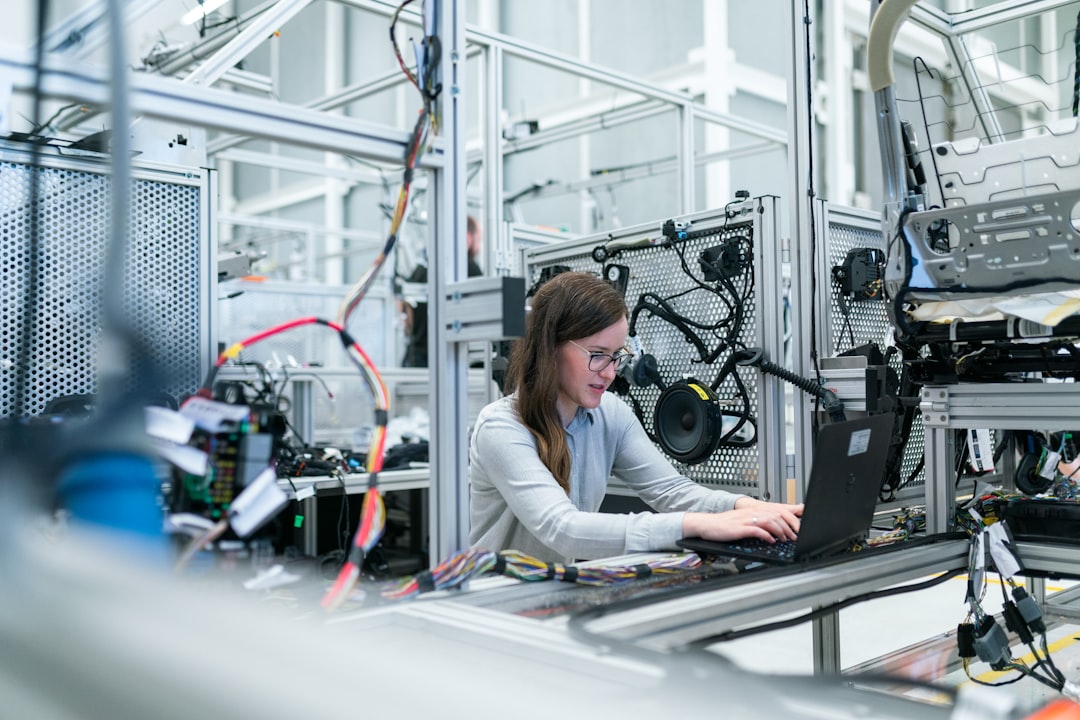
As a result, professionals in trade and logistics are encouraged to embrace AI technologies and seek further training. Integrating AI is not just about improving efficiency; it fosters a culture of innovation that can drive long-term economic growth. The Ministry of Trade and Industry’s recent reports suggest that as nations invest in AI, the potential for economic expansion will increase, creating robust job markets for the future.
With AI in trade, professionals need to understand how AI can improve logistics, supply chain management, and customer engagement.
In essence, the AI boom is not just a passing trend; it is a fundamental shift reshaping economies worldwide. The integration of AI technologies across various sectors creates a ripple effect, leading to more job opportunities and a workforce that needs the right skills. As the AI landscape evolves, professionals must stay informed about emerging trends and technologies. The ability to adapt and innovate will be key to thriving in this new environment.
Frequently Asked Questions
What skills should data scientists develop to leverage the AI boom?
Data scientists should enhance their skills in machine learning, data analytics, and programming languages like Python and R. These skills are crucial for analyzing complex datasets and developing AI models that drive business insights.
How can manufacturing engineers adapt to the increasing use of AI technologies?
Manufacturing engineers can adapt by gaining proficiency in AI-driven tools and technologies. This includes learning about automation systems, data analysis, and machine learning algorithms to optimize production processes effectively.

What job opportunities are emerging in the AI-driven economy?
Emerging job opportunities in the AI-driven economy include roles such as AI system managers, data analysts, and machine learning engineers. These positions will be critical in supporting the integration of AI technologies across various sectors.
Written by Career Ahead AI. AI can make mistakes, so verify key facts. Report errors to support@careeraheadonline.com.