No products in the cart.

Archer Aviation Stock Jumps 22% on Boeing Deal Expansion
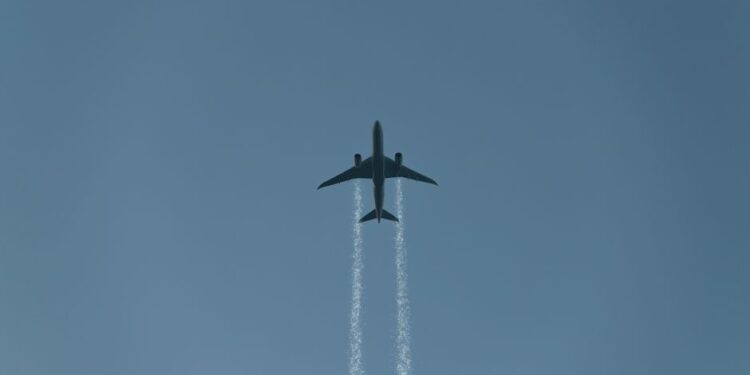
The acquisition of Wisk Aero brings in advanced autonomous flight technology, which is crucial as the industry moves towards more automated systems.

Archer Aviation’s stock surged by 22% following the announcement of a significant deal with Boeing, which includes the acquisition of three Boeing subsidiaries: Wisk Aero, SkyGrid, and Insitu. This strategic move enhances Archer’s capabilities in defense and autonomous flight, marking a pivotal shift in the aerospace industry. The deal was finalized on August 10, 2026, and signifies Archer’s transition from a startup focused on electric vertical takeoff and landing (eVTOL) aircraft to a more diversified aviation and defense company.
The acquisition of Wisk Aero introduces advanced autonomous flight technology, essential as the industry increasingly embraces automation. SkyGrid contributes an automated air traffic management system, addressing the growing need for efficient airspace management as drones and autonomous aircraft become more prevalent. Insitu, known for its unmanned aircraft systems, strengthens Archer’s defense position and provides immediate revenue potential from military contracts. A report from Hindustan Times indicates that this deal enhances Archer’s product offerings and positions the company as a formidable player in the rapidly evolving aerospace market.
Job Prospects for Aerospace Engineers
The Boeing deal is expected to create numerous job opportunities for aerospace engineers. As Archer becomes a key player in both defense and autonomous flight markets, the demand for skilled engineers is likely to rise. The integration of Wisk and Insitu’s technologies will necessitate a workforce proficient in advanced aerospace engineering, particularly in unmanned systems and autonomous vehicles. According to Yahoo Finance, Archer’s stock surge reflects investor confidence in its expanded capabilities, which will require a robust engineering workforce to support these advancements.
As Archer expands, the need for engineers specializing in software development for autonomous systems will become critical. These engineers will be tasked with developing and refining algorithms for safe and efficient flight operations. Additionally, expertise in regulatory compliance for autonomous aircraft will be in high demand, as Archer navigates the complexities of FAA certification and other regulations. The focus on safety and efficiency in autonomous flight technology will require engineers to engage in rigorous testing and validation processes to meet industry standards.
As Archer expands, the need for engineers specializing in software development for autonomous systems will become critical.
Furthermore, the defense contracts Insitu brings will create roles focused on intelligence, surveillance, and reconnaissance technologies. Aerospace engineers with experience in these areas will contribute to projects that enhance national security through advanced unmanned systems. The collaboration with Boeing, which includes a nearly 16.5% stake in Archer, underscores a long-term commitment to developing innovative aerospace technologies, boosting Archer’s credibility and attracting top engineering talent. As the market evolves, aerospace engineers must adapt to new technologies and methodologies stemming from this collaboration.
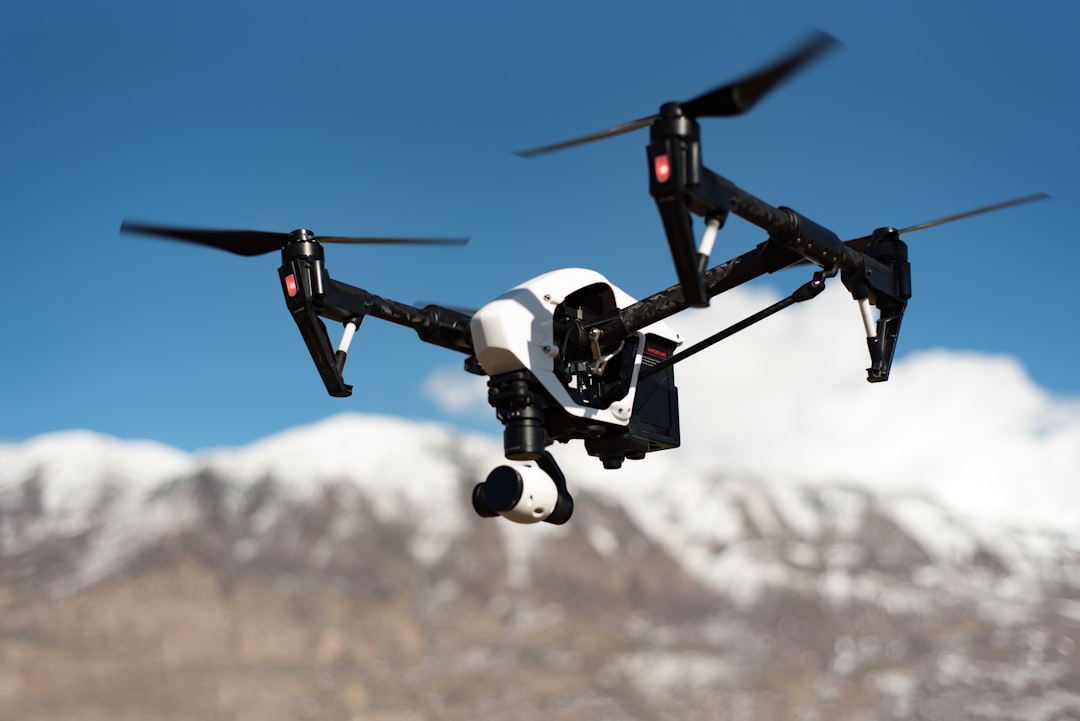
Challenges for Defense Contract Managers
The Archer-Boeing deal significantly impacts defense contract managers. As Archer integrates its new subsidiaries, procurement processes will likely evolve to accommodate the expanded operations. Research indicates that defense contract managers will need to adjust their strategies to align with Archer’s broader business model, which now encompasses a wider range of products and services. This shift is crucial as the aerospace sector increasingly focuses on advanced technologies that require specialized contract management skills.
With Insitu’s established defense capabilities, contract managers will face the challenge of overseeing a more complex portfolio of contracts. This complexity necessitates a deeper understanding of both commercial and military procurement processes. Managers must develop skills to navigate the intricacies of defense contracts, particularly those related to unmanned systems and autonomous technologies. The partnership with Boeing may lead to collaborative projects that require joint contract management strategies, compelling defense contract managers to build relationships within Archer and with Boeing’s extensive network. This collaboration could also open new funding opportunities and joint ventures, complicating the contract management landscape.
As Archer positions itself in the advanced air mobility market, contract managers will negotiate agreements that align with the company’s strategic goals. Their ability to manage contracts effectively will be crucial for Archer to capitalize on its new capabilities and market opportunities. The focus on autonomous flight and defense will also necessitate a reevaluation of existing contracts, requiring managers to assess how new technologies and systems impact current agreements and whether modifications or new contracts are necessary to support Archer’s evolving business model.
Future of Aerospace Jobs
The Archer-Boeing deal signifies a transformative moment in the aerospace landscape, creating new roles and responsibilities for both aerospace engineers and defense contract managers. As the industry embraces advanced technologies, professionals in these fields must remain informed and adaptable to thrive. As Archer Aviation prepares to finalize the Boeing deal by the end of 2026, the aerospace sector will be closely monitoring developments. The potential for new projects in autonomous flight technology and defense applications could reshape the job market for engineers and contract managers alike. The key question remains: how will these developments influence the future of aerospace jobs and the skills required for success in this evolving industry?
The key question remains: how will these developments influence the future of aerospace jobs and the skills required for success in this evolving industry?
Frequently Asked Questions
What skills are essential for aerospace engineers in autonomous flight?
Aerospace engineers in autonomous flight should possess strong programming skills, particularly in languages like Python and C++. They should also have a solid understanding of control systems, robotics, and regulatory requirements for certification.

How can defense contract managers benefit from the Boeing-Archer deal?
Defense contract managers can benefit from the Boeing-Archer deal by developing expertise in managing complex contracts involving unmanned systems and autonomous technologies. Building relationships with both Archer and Boeing will be crucial for future collaborations.
What should aerospace engineers do to prepare for changes in the defense sector?
Aerospace engineers should gain experience in autonomous systems and familiarize themselves with defense procurement processes. Continuous learning and adapting to new technologies will be essential as the industry evolves.
Related Articles
- Muthoot Finance Profits Surge 25%, Leadership Shift Ahead
- GHCL Q1 Profit Surges 32% Despite Margin Pressures
- Infosys Profit Jumps 12% to Rs 7,769 Crore
Written by Career Ahead AI. AI can make mistakes, so verify key facts. Report errors to support@careeraheadonline.com.