No products in the cart.

AI Data Centres vs. India’s Resource Limits

India's AI data center sector is rapidly expanding, raising critical questions about the sustainability of its natural resources, particularly in water and energy.

India’s AI data center sector is expanding rapidly, raising critical questions about the sustainability of its natural resources. As investments pour in, the country must grapple with the implications of resource scarcity, particularly in water and energy. This challenge is underscored by the fact that data centers are projected to consume a significant portion of India’s electricity and water supplies in the coming years.
The International Energy Agency (IEA) forecasts that global electricity consumption by data centers will exceed 1500 TWh by 2035, a substantial increase from around 400 TWh in 2020. In India, government data indicates that electricity demands will reach 2703 TWh by 2031-32, with data centers accounting for approximately 4% of that total. This translates to around 107 TWh, which poses a significant challenge for infrastructure planners and energy specialists.
Resource Scarcity and Its Impact on Data Center Operations
Water and energy are critical resources for data centers, which require substantial amounts for cooling and operation. As highlighted by Ashish Banerjee, a Senior Principal Analyst at Gartner, the operational dynamics of AI data centers differ markedly from traditional ones. AI workloads utilize dense GPU clusters that can demand between 80-150 kW per rack, compared to the 15-20 kW typical of conventional server racks. This increased demand intensifies the pressure on local resources.
Many of India’s data centers are being developed in regions already experiencing water stress. For instance, proposed facilities in Visakhapatnam have sparked public concern over the allocation of potable water for cooling purposes. Residents argue that prioritizing data centers over local water needs constitutes a significant equity issue. As Fengqi You from Cornell University points out, the burdens of water and power usage are local, creating potential conflicts with nearby communities facing resource shortages.
Career Ahead’s analysis identifies that the projected water use for data centers could reach 150 billion liters annually by 2025, with expectations to double by 2030. This staggering figure necessitates a reevaluation of how data centers are sited and operated. Infrastructure planners must consider not only land availability but also the sustainability of water sources and the capacity of local power grids to support such developments. The challenge is compounded by the fact that many regions in India are already grappling with severe water shortages, making the allocation of resources for data centers a contentious issue.
Banerjee emphasizes that future developments must prioritize grid readiness and the availability of non-potable water sources.
Innovative Solutions for Sustainable Operations
As the demand for AI services grows, so too does the urgency for innovative cooling solutions. Closed-loop liquid cooling systems, which recirculate fluids rather than relying on evaporative cooling, present a viable alternative that can significantly reduce water consumption. Companies like Microsoft have already implemented such systems in their AI data centers, demonstrating a path forward for sustainable operations. Moreover, the integration of artificial intelligence in managing energy consumption and optimizing cooling processes can further enhance efficiency, reducing the overall environmental footprint of these facilities.
You may also like
 Industry & Global Trends
Cygni Energy, Indus Towers Unite for Telecom Energy Storage
Cygni Energy and Indus Towers have signed a Memorandum of Understanding to develop energy storage solutions for telecom infrastructure, marking a significant step towards sustainability…
Read More →Strategic Planning for Future Data Center Locations
For India to maintain its position as a leader in AI, strategic planning is essential. This involves identifying locations where infrastructure can support the high energy and water demands of AI data centers. Banerjee emphasizes that future developments must prioritize grid readiness and the availability of non-potable water sources. The government must also consider the long-term implications of data center placement on local ecosystems and communities, ensuring that development does not come at the expense of environmental sustainability.
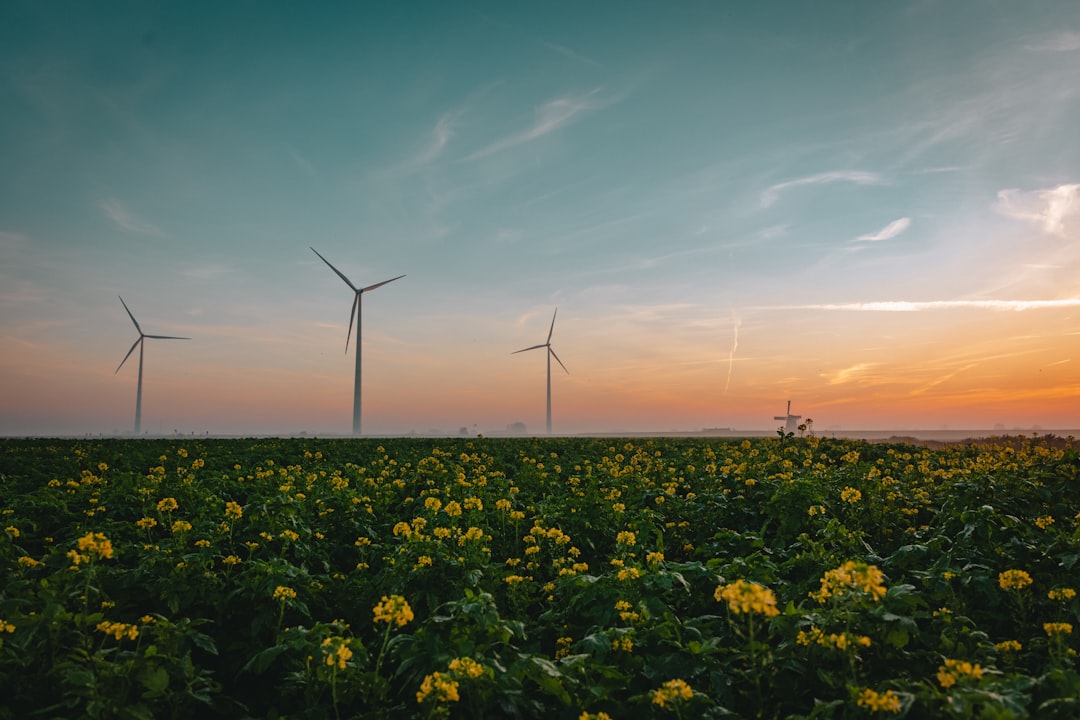
Career Ahead research finds that as India aims to expand its data center capacity from 1.5 GW to approximately 6.5 GW by 2030, the implications for energy policy and resource management are profound. The government must ensure that new projects adhere to stringent guidelines regarding water use and energy efficiency, particularly in water-scarce areas. This proactive approach is crucial, as the potential for integrating renewable energy sources into the power supply for data centers is significant. Utilizing solar and wind energy can help mitigate the environmental impact of increased energy consumption.
Lessons from Global Experiences
The approach to data center development must also consider the lessons learned from global examples. In the United States, for instance, numerous projects have faced delays or cancellations due to environmental concerns. India can benefit from these insights by adopting a proactive stance on regulation and community engagement, ensuring that new developments do not exacerbate existing resource challenges. As highlighted in a recent article by the Hindustan Times, the balance between technological advancement and resource management is critical, as the country opens its doors to data centers while facing increasing scrutiny over resource allocation.
As India navigates this complex landscape, collaboration between data center engineers, renewable energy specialists, and infrastructure planners will be crucial. By working together, these professionals can develop innovative strategies that balance the growth of the AI sector with the sustainable management of natural resources. The integration of community feedback in planning processes will also be vital, as it can help address local concerns and foster a sense of shared responsibility for resource management.
Future Challenges and Opportunities
The future of AI data centers in India hinges on the successful integration of sustainable practices into their operations. As the demand for AI services continues to rise, data center engineers will face increasing pressure to innovate and implement energy-efficient solutions. The need for skilled professionals who can navigate the complexities of resource management will be paramount.
By working together, these professionals can develop innovative strategies that balance the growth of the AI sector with the sustainable management of natural resources.
You may also like
 Industry & Global Trends
BT Expands Reach with TalkTalk Acquisition
The acquisition is seen as a strategic necessity for BT, allowing it to consolidate its position in a market that has seen increasing pressure from…
Read More →Moreover, the broader implications for India’s economy are significant. As the tech sector expands, the pressure on local resources will intensify, necessitating a shift in how the industry approaches growth. Policymakers must consider the long-term sustainability of data centers and their impact on communities, ensuring that the benefits of technological advancements do not come at the expense of environmental integrity.
India must strike a balance between fostering innovation in AI and ensuring that its natural resources can support this growth. The challenge lies in creating a regulatory environment that encourages sustainable practices while promoting investment in the tech sector. This dual focus will be critical in determining the success of India’s AI data center initiatives.
As the industry evolves, one question remains: can India develop a robust AI infrastructure that respects the limits of its natural resources while still driving technological advancement?
Frequently Asked Questions
What are the implications of resource limitations for data center engineers?
Resource limitations significantly impact data center engineers in India, as they must design systems that efficiently use water and energy. With increasing demands, engineers will need to innovate cooling solutions and optimize energy consumption to ensure sustainability.
Resource limitations significantly impact data center engineers in India, as they must design systems that efficiently use water and energy.
How can renewable energy specialists contribute to AI data center sustainability?
Renewable energy specialists can play a vital role by integrating solar and wind energy into data center operations. This shift can help reduce reliance on conventional energy sources, promoting a more sustainable energy mix for the growing AI sector.
What should infrastructure planners consider when developing data centers in resource-constrained areas?
You may also like
 Industry & Global Trends
Mergers Reshape Automation Careers at Schneider Electric
Schneider Electric's aggressive investments in automation are reshaping the industry landscape in Europe. This shift is set to create significant job opportunities for automation engineers…
Read More →Infrastructure planners must prioritize grid readiness and the availability of non-potable water sources when developing data centers in resource-constrained areas. Strategic siting and sustainable practices are essential to mitigate the impact on local resources.