No products in the cart.

AI Disruption Unveils Workplace Challenges

As AI tools become commonplace in workplaces, HR professionals and project managers must navigate unforeseen challenges that could disrupt team dynamics and productivity. Understanding these implications is crucial for preparing for the future.

AI integration in workplaces is rapidly changing how teams operate. Recent discussions highlight the potential for AI tools to disrupt established workflows and employee interactions. As organizations adopt these technologies, HR professionals, business analysts, and project managers must consider the implications for productivity and team dynamics.
Experts warn that while AI can enhance efficiency, it may also introduce unforeseen challenges. The integration of AI systems into daily tasks could lead to significant shifts in how employees collaborate. Understanding these dynamics is essential for ensuring a smooth transition as AI tools become more prevalent.
Shifting Employee Productivity Metrics
The introduction of AI tools in the workplace has the potential to alter productivity metrics significantly. Career Ahead’s analysis indicates that while automation can streamline processes, it may also create confusion among team members regarding their roles. Employees might struggle to adapt to new tools, leading to a temporary decline in productivity as they learn to navigate AI systems.
Research from various institutions shows that companies implementing AI often report a mixed bag of results. For instance, a study from the World Economic Forum indicates that while AI can lead to efficiency gains, it can also result in initial productivity drops as employees adjust. This adjustment period can be particularly challenging for teams that rely heavily on collaboration and communication. The New York Times emphasizes that the “unknown unknowns” of using AI can undermine the technology’s advertised benefits, suggesting that organizations may not be fully prepared for the complexities that arise from AI integration.
Moreover, as AI takes over repetitive tasks, employees may find themselves with more time but less clarity on how to use it effectively. This shift can lead to frustration and disengagement if not managed properly. HR professionals must be proactive in addressing these issues to maintain morale and productivity. The challenge lies in ensuring that employees not only understand how to use AI tools but also feel empowered to leverage them creatively in their roles.
Additionally, measuring productivity in an AI-enhanced environment requires new metrics. Traditional measures may no longer apply, necessitating a reevaluation of how success is defined within teams. Career Ahead research finds that organizations need to develop new frameworks to assess productivity that account for the unique contributions of AI and human collaboration. As AI systems continue to evolve, the metrics for success must also adapt to reflect the changing landscape of work.
Career Ahead research finds that organizations need to develop new frameworks to assess productivity that account for the unique contributions of AI and human collaboration.
You may also like
 Future Skills & Work
NYC
The AI sector in the United States is facing a significant downturn, impacting young job seekers and recent graduates nationwide. Companies are changing their hiring…
Read More →Ultimately, understanding these shifts in productivity metrics will be crucial for HR professionals and project managers. They must ensure that their teams are equipped to adapt to these changes, fostering an environment where both AI and human contributions are valued.
The Need for New Training Programs
With the rise of AI in the workplace, there is an urgent need for comprehensive training programs tailored to these new technologies. Career Ahead has identified that many organizations are falling short in providing adequate training for their employees on how to effectively use AI tools. This gap can lead to underutilization of AI capabilities and hinder overall productivity. The New York Times also points out that without proper training, employees may struggle to understand the full potential of AI, which could lead to missed opportunities for innovation.
Training programs must not only focus on technical skills but also emphasize soft skills necessary for effective collaboration in an AI-driven environment. For instance, project managers should consider incorporating training that enhances communication and teamwork skills, as these will be essential when working alongside AI systems. Furthermore, organizations should prioritize continuous learning opportunities. As AI technologies evolve, so too must the skills of the workforce. Companies like PwC have already begun investing in ongoing training initiatives to help employees stay ahead of the curve. This proactive approach can mitigate the risks associated with AI adoption and foster a culture of adaptability.
Career Ahead analysis shows that companies that invest in robust training programs can expect higher employee satisfaction and retention rates. Employees are more likely to embrace AI tools when they feel confident in their ability to use them effectively. Thus, HR professionals must advocate for the development and implementation of these training programs as a strategic priority. Moreover, organizations should consider creating mentorship programs where more experienced employees can guide their peers in navigating the complexities of AI tools, thereby enhancing team cohesion and knowledge sharing.
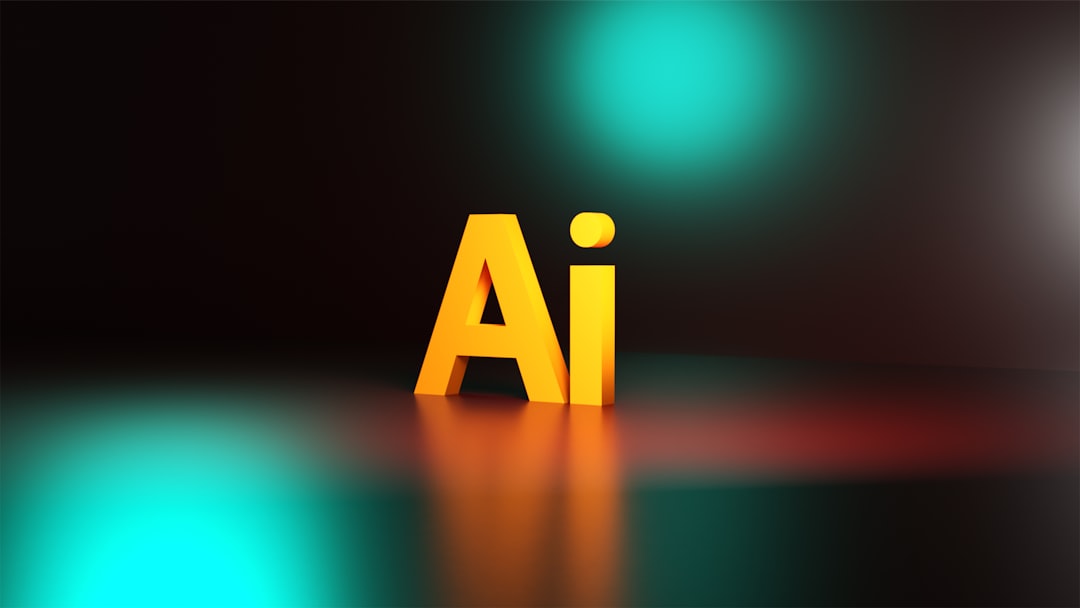
As AI continues to reshape workplaces, organizations must equip their employees with the skills needed to thrive in this new landscape.
In conclusion, the urgency for new training programs cannot be overstated. As AI continues to reshape workplaces, organizations must equip their employees with the skills needed to thrive in this new landscape. The focus should not only be on immediate technical training but also on fostering a mindset of lifelong learning that prepares employees for future challenges.
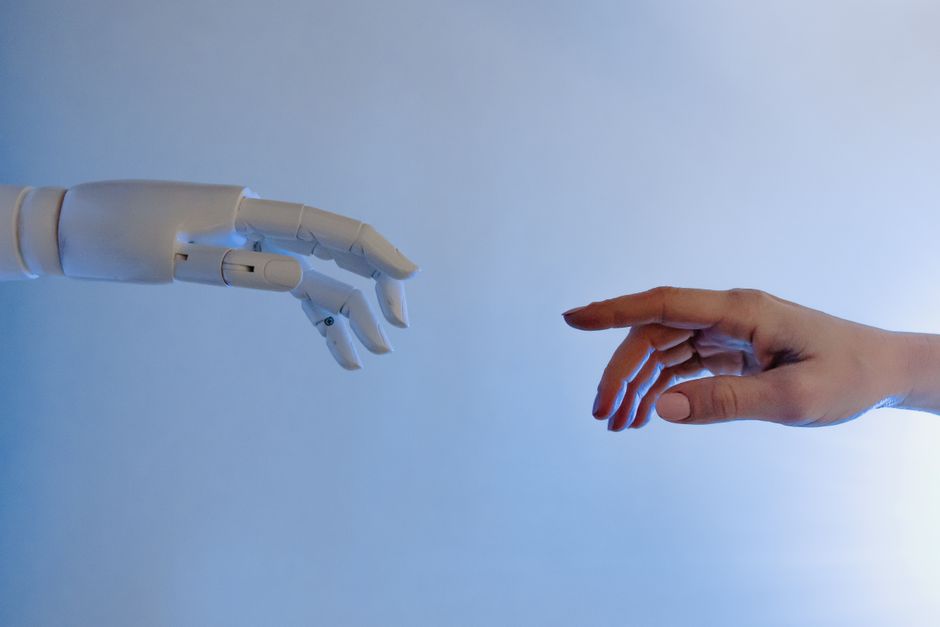
As AI systems become integrated into team workflows, the dynamics of collaboration are set to change significantly. The introduction of AI can lead to a redefinition of roles within teams, as certain tasks become automated. This shift may create tension among employees who feel threatened by the capabilities of AI tools.
You may also like
 Future Skills & Work
AI Agents Reshaping Job Markets, Leaders Respond
The integration of AI agents into various sectors is transforming job markets globally, prompting leaders to rethink workforce strategies and skill requirements. This shift raises…
Read More →Career Ahead’s research indicates that the fear of job displacement is a real concern for many employees. As AI takes on more responsibilities, team members may worry about their relevance within the organization. This anxiety can lead to decreased morale and productivity, as employees may become reluctant to fully engage with AI systems. The New York Times highlights that these unforeseen challenges can disrupt not only individual roles but also the overall team dynamics, making it crucial for organizations to address these concerns head-on.
Moreover, collaboration may become more complex as teams navigate the integration of AI. Project managers will need to facilitate discussions around the role of AI in their teams and encourage open communication. By fostering a culture of transparency, organizations can help alleviate fears and promote a collaborative environment where both AI and human contributions are valued. Additionally, the effectiveness of AI collaboration relies heavily on the quality of data fed into these systems. If teams do not work together to ensure accurate and relevant data input, the benefits of AI can be diminished. This highlights the need for cross-functional collaboration to maximize the potential of AI tools.
Ultimately, the impact of AI on team dynamics will depend on how organizations manage this transition. By prioritizing communication and collaboration, HR professionals and project managers can create an environment where AI enhances rather than disrupts team dynamics. As we look to the future, it will be critical to monitor how organizations adapt to these changes. The ability to navigate the complexities of AI integration will determine the success of teams in the evolving workplace.
The ability to navigate the complexities of AI integration will determine the success of teams in the evolving workplace.
Frequently Asked Questions
What are the potential risks of AI in HR processes?
Career Ahead analysis shows that the integration of AI in HR processes can lead to biases in hiring and performance evaluations if not properly managed. Organizations must ensure that AI systems are designed to promote fairness and transparency.
How can business analysts assess the effectiveness of AI tools?
Business analysts should focus on developing metrics that evaluate both the performance of AI tools and their impact on team productivity. This includes analyzing user engagement and the quality of outputs generated by AI systems.

What should project managers do to prepare their teams for AI integration?
Project managers must prioritize training and open communication to prepare their teams for AI integration. Creating a culture of adaptability and continuous learning is essential for navigating the challenges posed by AI technologies.
You may also like
 Future Skills & Work
AI Job Creation Outpaces Layoffs Amid Painful Transition
The U.S. labor market is about to change significantly due to AI and automation, with a projected creation of 41 million new jobs against 11…
Read More →