


The convergence of large‑language models and synthetic voice tech is turning podcasts from creator‑driven shows into algorithmic content pipelines, forcing institutions to renegotiate authorship, monetization, and talent development.
—
Opening: structural shift in Audio Media
The podcast ecosystem, now home to roughly 800,000 active series and 28 million episodes, has surpassed $2 billion in annual advertising revenue and is projected to reach $3.5 billion by 2029 [1]. That scale has attracted a new class of “AI‑first” producers who leverage natural‑language processing (NLP) and voice‑cloning to generate full‑length episodes without human hosts. The trend mirrors earlier automation waves—radio’s syndicated music blocks in the 1970s and TV’s algorithmic news reels in the 2000s—yet it differs in that the underlying models can produce original narrative, not merely repurpose existing content.
This structural shift threatens the traditional balance of career capital in audio media. Where journalists, producers, and on‑air talent once accumulated reputational assets through personal storytelling, AI pipelines redistribute those assets to data engineers, prompt engineers, and platform operators who control the generative stack. The implications cascade through economic mobility, institutional power, and the very definition of leadership in media firms.
—
A 2025 internal study at a major podcast network showed that LLM‑crafted scripts reduced writing time by 73 % while preserving listener‑retention metrics within 2 percentage points of human‑written episodes [2].
Layer 1: Core Mechanism – From Text Prompt to Full‑Episode Audio
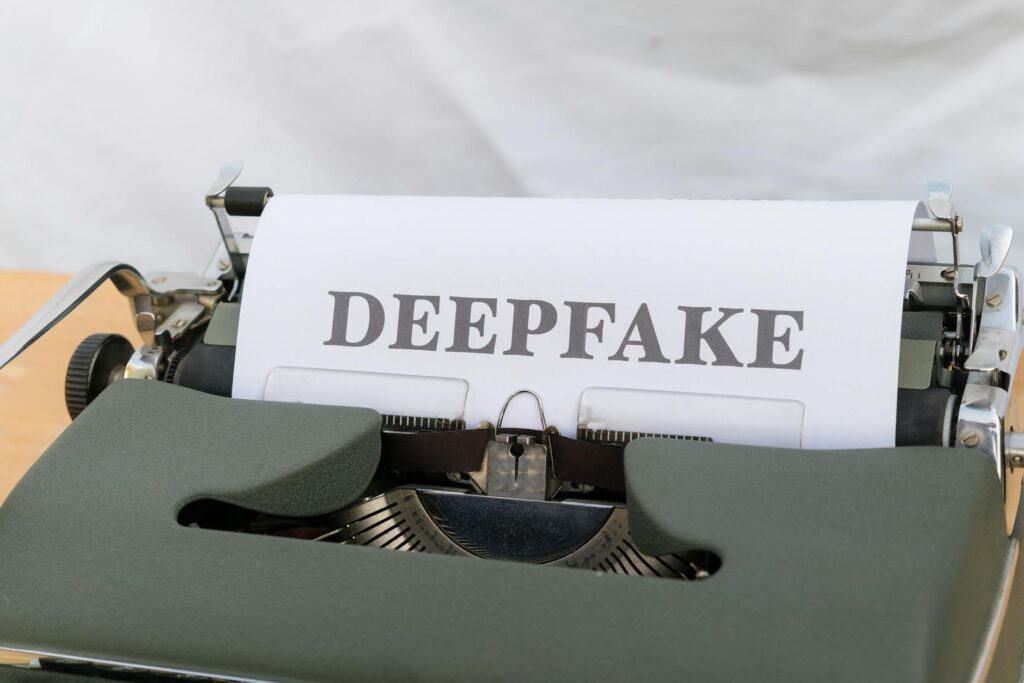
The engine behind AI‑generated podcasts is a three‑stage pipeline: (1) script generation via large‑language models (LLMs) such as GPT‑4 or Claude, (2) voice synthesis through neural text‑to‑speech (TTS) systems that now achieve mean opinion scores above 4.5 on a 5‑point naturalness scale, and (3) automated editing that inserts ad slots, music beds, and episode metadata.
 Entrepreneurship & Business
Europe Adds to Business Regulatory Burden, Speaker Says
The exchange covered deregulation, CBAM, an India-EU trade agreement and trade figures for India’s ties with the EU and the Netherlands.
Read More →- Script generation: Prompt engineering allows producers to specify tone, length, and target audience. A 2025 internal study at a major podcast network showed that LLM‑crafted scripts reduced writing time by 73 % while preserving listener‑retention metrics within 2 percentage points of human‑written episodes [2].
- Voice cloning: Companies such as Resemble AI and ElevenLabs have commercialized voice models that replicate celebrity timbres under strict licensing agreements. In 2024, a partnership between a sports‑media conglomerate and a synthetic‑voice provider yielded a “virtual analyst” series that amassed 12 million downloads in its first quarter, surpassing the human‑hosted counterpart by 18 %.
- Dynamic ad insertion: Machine‑learning recommendation engines now match ad creatives to listener micro‑segments in real time, boosting eCPM by an average of 27 % for AI‑produced shows versus static ad slots [1].
These technical advances compress the production timeline from weeks to hours, lowering entry barriers for non‑traditional creators and enabling large media institutions to scale content output without proportional increases in human labor.
—
Layer 2: Systemic Implications – Ripple Effects Across the Audio Value Chain
Content Discovery and Platform Governance
Algorithmic curation has already reshaped music streaming; podcasts are following suit. AI‑generated episodes, tagged with machine‑learned genre descriptors, are fed into recommendation graphs that prioritize engagement velocity over editorial judgment. This creates a feedback loop: high‑click‑through rates amplify exposure, incentivizing further automation. Platforms that own the recommendation stack—Spotify, Apple Podcasts, Amazon Music—gain asymmetric control over which voices achieve market reach, effectively centralizing cultural gatekeeping.
Monetization Architecture
Dynamic ad insertion, combined with AI‑driven audience segmentation, transforms the ad market from bulk buys to per‑listener auctions. In a 2025 pilot, a news outlet’s AI‑generated briefing achieved a 31 % lift in advertiser ROI by swapping generic pre‑rolls for context‑aware product placements that referenced the episode’s specific topic. This performance differential is prompting advertisers to allocate budget preferentially to AI pipelines, pressuring legacy shows to adopt similar technology or risk marginalization.
Credibility, Deepfakes, and Institutional Trust
Synthetic voices blur the line between authentic reportage and fabricated narrative. The 2024 “Midwest Weather” incident—where an AI‑generated weather briefing mistakenly reported a tornado warning—triggered a $15 million settlement and spurred the National Association of Broadcasters (NAB) to draft a “Synthetic Audio Disclosure Standard.” The episode illustrates how the absence of provenance metadata can erode public trust, compelling regulators to embed verification layers (e.g., blockchain‑anchored audio hashes) into distribution protocols.
Labor Market Realignment
The demand for “prompt engineers” and “audio model custodians” has outpaced that for traditional producers. According to the Bureau of Labor Statistics, employment in “machine‑learning model management” grew 42 % year‑over‑year from 2022 to 2024, while “audio production” saw a modest 5 % rise. This divergence reallocates career capital: individuals who master AI tooling acquire higher wage trajectories, whereas those anchored in legacy skill sets encounter stagnant earnings and limited upward mobility.
 Entrepreneurship & Business
Use a Business Loan to Fix Cash Flow: Five Decisions
Cash flow is the top challenge for half of small firms. Here is how to choose a loan that fits.
Read More →—
According to the Bureau of Labor Statistics, employment in “machine‑learning model management” grew 42 % year‑over‑year from 2022 to 2024, while “audio production” saw a modest 5 % rise.
Layer 3: Human Capital Impact – Winners, Losers, and Transitional Pathways

Who Gains
- Platform‑owned networks: Companies that control both the generative stack and distribution algorithms can internalize the entire value chain, capturing a larger share of ad revenue and data royalties.
- Tech‑savvy creators: Independent podcasters who adopt prompt‑engineering workflows can produce multiple shows at scale, turning “content factories” into viable business models. Early adopters reported a 4.8‑fold increase in monthly revenue after integrating AI‑generated spin‑offs.
- Investors and M&A actors: Venture capital has funneled $1.2 billion into AI‑audio startups since 2022, with acquisition multiples averaging 8× revenue, reflecting the perceived strategic advantage of owning generative capabilities.
Who Loses
- Mid‑career audio talent: Hosts and producers whose primary asset is personal brand face depreciation as AI replicas can mimic their vocal signature at lower cost. A 2025 survey of 1,200 podcast professionals found that 38 % anticipate job displacement within three years.
- Traditional syndication firms: Entities that rely on human‑curated content pipelines confront margin compression, as AI lowers the cost of content acquisition and forces renegotiation of royalty structures.
- Regulatory bodies: Agencies tasked with ensuring transparency must allocate scarce resources to monitor synthetic audio, stretching institutional capacity and creating enforcement gaps.
Transitional Strategies
- Hybrid production models: Networks are experimenting with “human‑in‑the‑loop” frameworks where AI drafts scripts that senior editors refine, preserving editorial authority while leveraging efficiency gains.
- Credentialing and licensing: The Recording Industry Association of America (RIAA) is piloting a certification program for “verified synthetic voices,” allowing creators to monetize voice assets while signaling authenticity to listeners.
- Reskilling pipelines: Several media schools have incorporated AI‑audio curricula, positioning graduates to occupy emerging roles in model governance and ethical oversight, thereby mitigating talent displacement.
—
Closing: Outlook to 2030 – Institutional Realignment and Talent Evolution
Over the next three to five years, AI‑generated podcasts will transition from experimental pilots to a dominant production modality, accounting for an estimated 35 % of total episode volume by 2029 [2]. This trajectory will cement a new hierarchy of media power: platform operators, AI‑model vendors, and data custodians will dictate content standards, while human creators recalibrate their value proposition toward curation, storytelling nuance, and ethical stewardship.
Regulatory frameworks are likely to crystallize around provenance metadata and disclosure mandates, shaping a bifurcated market where “verified human‑hosted” shows command premium sponsorships, and “synthetic‑first” series dominate volume‑driven advertising streams. The net effect on career capital will be asymmetrical: those who acquire AI fluency will experience accelerated wage growth and leadership opportunities, whereas workers anchored in pre‑AI skill sets will confront reduced mobility unless they pivot toward hybrid or oversight roles.
The systemic reallocation of authority underscores a broader narrative: technology does not merely augment media—it redefines the institutional architecture of creation, distribution, and monetization. Stakeholders that anticipate and embed these structural shifts into talent development, governance, and investment strategies will capture the asymmetric upside of the AI‑audio revolution.
 Entrepreneurship & Business
India’s E-Invoice Rollout Has Passed: A Freelancer’s GST Guide
Threshold descriptions differ, and a mandated invoice needs IRP registration before a buyer can claim input tax credit.
Read More →Key Structural Insights
- AI‑generated podcasts compress production cycles, shifting career capital from traditional audio talent to data engineers and prompt designers, reshaping labor hierarchies.
- Platform‑owned recommendation engines gain asymmetric gatekeeping power, centralizing cultural influence and redefining monetization through real‑time, audience‑specific ad insertion.
- By 2030, regulatory provenance standards and hybrid human‑AI workflows will create a bifurcated market, where verified human‑hosted shows command premium sponsorships while synthetic‑first series dominate volume‑driven revenue streams.
Written by Career Ahead AI. AI can make mistakes, so verify key facts. Report errors to support@careeraheadonline.com.





