

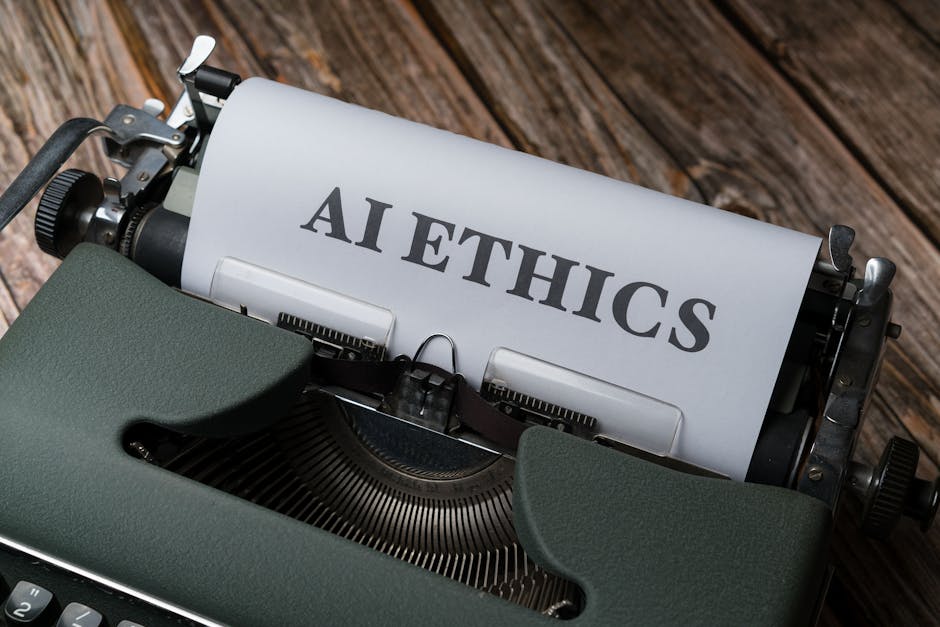
Artificial intelligence is at a crossroads, especially when it comes to its application in military settings. Recent talks between Anthropic and the Pentagon have revealed significant tensions surrounding the use of AI tools for surveillance and weaponry. As the Pentagon seeks to extend its contract with Anthropic, the company is pushing for strict limitations on how its AI model, Claude, can be utilized. This negotiation is not just a matter of business; it raises critical questions about ethics, governance, and the future of AI in defense.
The current discussions are crucial given the growing reliance on AI technology in military operations. The Pentagon wants to leverage Claude for various applications, but Anthropic is concerned about the potential for misuse. Specifically, the company is advocating for guardrails to prevent its AI from being used in mass surveillance of civilians or in autonomous weapon systems that operate without human oversight. As these negotiations unfold, they highlight broader implications for the tech industry and society at large.
Why does this matter now? The ethical implications of AI in military applications are increasingly under scrutiny. With AI technologies advancing rapidly, the potential for misuse grows. The outcome of these negotiations could set a precedent for how AI is governed in military contexts, influencing not only future contracts but also the public perception of AI technologies.
Why Anthropic’s Negotiations Matter for AI Ethics
The discussions between Anthropic and the Pentagon are emblematic of a larger conversation about AI ethics. As companies develop more powerful AI systems, the question of accountability becomes paramount. Anthropic’s insistence on guardrails reflects a growing recognition that AI technologies must be designed with ethical considerations in mind. This is particularly important in military contexts, where the stakes are exceptionally high.
As AI continues to transform various sectors, the need for robust ethical frameworks becomes increasingly urgent.
According to reports, the Pentagon is eager to utilize Claude for its capabilities, but it faces pushback from Anthropic, which is wary of the implications of its technology being used for surveillance or lethal purposes. This tension illustrates a fundamental clash between military innovation and ethical responsibility. As AI continues to transform various sectors, the need for robust ethical frameworks becomes increasingly urgent.
 Industry & Global Trends
Global Trade Surprises with Unexpected Resilience
As the demand for AI technologies continues to grow, supply chain managers must adapt to the new dynamics of logistics and sourcing.
Read More →Furthermore, the outcome of these negotiations could influence other tech companies’ relationships with the military. If Anthropic successfully establishes boundaries for the use of its AI, it may pave the way for other firms to adopt similar stances. This could lead to a shift in how the defense sector interacts with technology providers, promoting a culture of ethical responsibility in AI development.
How This Affects Careers in AI and Defense
The implications of these negotiations extend beyond corporate ethics; they have significant career ramifications for professionals in the AI and defense sectors. As companies like Anthropic advocate for ethical standards, job seekers and current employees must adapt to this evolving landscape. Here are some key takeaways:
- Focus on Ethics: Professionals in AI should prioritize understanding ethical considerations in their work. This includes staying informed about industry standards and participating in discussions about responsible AI use.
- Upskill in Governance: As companies navigate complex regulatory environments, skills in compliance and governance will be increasingly valuable. Consider pursuing certifications in AI ethics or related fields.
- Engage with Policy: Understanding the intersection of technology and policy will be crucial. Engage with organizations that focus on AI governance to stay ahead of trends and contribute to meaningful discussions.
However, experts warn that these negotiations may not lead to a sustainable framework for AI use in defense. Some industry analysts believe that without clear regulations, companies may still face pressure to compromise ethical standards for contracts. This could lead to a race for military contracts that prioritizes innovation over safety and accountability.
The Future of AI in Military Applications
Looking ahead, the outcomes of Anthropic’s negotiations with the Pentagon could reshape the future of AI in military applications. As AI technology continues to advance, the need for a balanced approach that fosters innovation while ensuring ethical use will be critical. The potential for AI to enhance military capabilities is significant, but it must be weighed against the risks of misuse.
Focus on Ethics: Professionals in AI should prioritize understanding ethical considerations in their work.
As these discussions unfold, the tech industry and military must work together to establish clear guidelines for AI applications. The stakes are high, and the consequences of inaction could be severe. Will companies like Anthropic lead the way in setting ethical standards for AI, or will the pressure for military contracts overshadow these critical discussions? The future of AI in defense may depend on the answers to these questions.


Written by Career Ahead AI. AI can make mistakes, so verify key facts. Report errors to support@careeraheadonline.com.





